Beginner Guide to Hiking Travel Backpacks for Easy Adventures
Looking for the ideal hiking travel backpack? This beginner guide covers everything from selecting the right size and features to packing efficiently. With practical tips and clear steps, you’ll be ready for easy adventures in no time.
Key Takeaways
- Choose the right size: Pick a backpack that fits your trip length and gear needs.
- Look for comfort features: Padded straps and adjustable fits make hiking easier.
- Organize smartly: Use compartments and packing cubes to keep gear accessible.
- Consider weight: Lightweight backpacks help reduce fatigue on long hikes.
- Test before buying: Try backpacks with weight to find your best fit.
- Maintain your backpack: Clean and store it properly to extend its life.
- Pack essentials wisely: Balance weight and accessibility for a smooth adventure.
Beginner Guide to Hiking Travel Backpacks for Easy Adventures
Are you ready to hit the trails but unsure how to pick the right hiking travel backpack? This guide is here to help! Whether you’re planning a day hike or a weekend trip, choosing the right backpack is key to a fun and comfortable adventure. We’ll walk you through everything from sizes and features to packing tips and maintenance. By the end, you’ll know exactly how to select and use your hiking travel backpack with confidence.
Step 1: Understand Different Backpack Sizes
Know Your Trip Duration
Backpacks come in different sizes based on capacity, measured in liters. For beginners, here’s a simple breakdown:
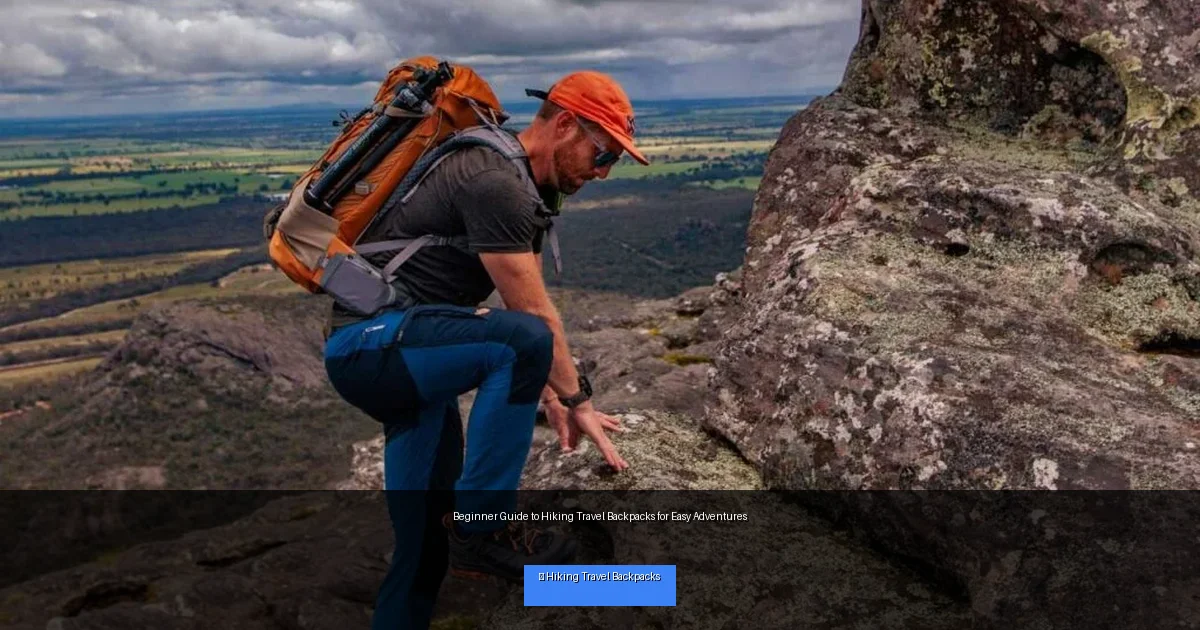
Visual guide about Beginner Guide to Hiking Travel Backpacks for Easy Adventures
Image source: in4adventure.com
- Daypacks (15-30L): Perfect for short hikes or daily adventures. Fits snacks, water, and a few extras.
- Weekend Backpacks (30-50L): Great for overnight trips. Holds clothing, food, a sleeping bag, and basic gear.
- Multi-day Backpacks (50-70L+): Suitable for longer trips with more gear.
Choose a size that matches your trip length. Going too big can lead to overpacking and extra weight.
Consider Your Body Size
Backpacks come in different torso lengths and hip belt sizes. Make sure to pick one that fits your body to avoid discomfort.
Step 2: Focus on Comfort Features
Padded Shoulder Straps
Look for thick, adjustable shoulder straps to ease the load on your shoulders.
Hip Belt Support
A good hip belt transfers weight from your shoulders to your hips, reducing strain. Make sure it fits snugly and is padded.
Back Panel Ventilation
Some backpacks have mesh or foam panels that help air flow and keep your back dry during hikes.
Adjustability
Adjustable straps and torso length help customize the fit. This is especially important for beginners to prevent soreness.
Step 3: Choose Features That Match Your Needs
Compartments and Pockets
Multiple compartments help organize gear. Look for easy-access pockets for water bottles, maps, or snacks.
Hydration Compatibility
If you like using hydration bladders, make sure your backpack has a sleeve and hose ports.
Durability and Water Resistance
Choose backpacks made from durable fabrics. Water-resistant or rain-cover options keep your gear dry.
Step 4: Pack Your Backpack Efficiently
Use Packing Cubes or Stuff Sacks
These help separate clothes, food, and gear so you can find items quickly.
Distribute Weight Evenly
Keep heavy items close to your back and centered to maintain balance.
Pack Essentials Accessibly
Items like snacks, maps, and first aid kits should be easy to reach without unpacking everything.
Don’t Overpack
Stick to essentials. Carrying too much gear adds unnecessary weight and fatigue.
Step 5: Test and Adjust Your Backpack
Load Your Pack
Before going on your hike, pack your gear and wear the backpack around your home or neighborhood.
Make Adjustments
Tighten straps, adjust the hip belt, and make sure the pack feels balanced and comfortable.
Walk and Move
Try bending, climbing stairs, and moving to ensure the backpack doesn’t shift or cause discomfort.
Troubleshooting Common Issues
Back or Shoulder Pain
If you feel pain, try adjusting straps or redistributing weight. You may need a backpack with better padding or a different size.
Backpack Moving Too Much
Secure all straps tightly and check the fit. A loose hip belt or shoulder straps can cause bouncing.
Items Hard to Find
Use labeled packing cubes or designate specific pockets for frequently used items.
Step 6: Maintain Your Backpack
Clean Regularly
Brush off dirt and spot clean after trips. Follow manufacturer instructions for deep cleaning.
Store Properly
Keep your backpack in a dry place away from direct sunlight to prevent fabric damage.
Check for Damage
Inspect zippers, straps, and seams regularly. Repair small issues before they become bigger problems.
Conclusion
Choosing and using a hiking travel backpack doesn’t have to be confusing. By understanding sizes, comfort features, and packing strategies, you can prepare for enjoyable adventures with ease. Remember to test your backpack, pack smartly, and take care of your gear. With the right backpack, your hiking trips will be comfortable and fun every time. Happy hiking!
🎥 Related Video: Beginner's Guide to Solo Backpacking: Essential Gear and Setup for Your First Adventure
📺 Jon Conti
In this video, we’ll cover the essential gear a beginner needs to know about, and the gear you’ll need to pack for your first trip.