Does Hiking Cause Back Pain Guide Tips to Prevent Discomfort
Does hiking cause back pain? Many wonder if the physical demands of hiking lead to discomfort. This guide explores the causes of back pain related to hiking and offers practical tips to prevent and manage it, ensuring you enjoy your outdoor adventures pain-free.
Key Takeaways
- Understanding back pain: Hiking can cause back pain due to poor posture, heavy backpacks, and improper technique.
- Proper backpack selection: Choosing the right hiking travel backpack reduces strain on your back.
- Correct packing and fit: How you pack and adjust your backpack greatly impacts back comfort.
- Strength and flexibility: Building core strength and flexibility helps prevent hiking-related back pain.
- Warm-up and stretching: Pre-hike warm-ups and post-hike stretches reduce muscle tension and injury risk.
- Know your limits: Listening to your body and pacing yourself is essential for avoiding back discomfort.
- Troubleshooting pain: Learn signs of serious issues and when to seek professional help.
Does Hiking Cause Back Pain Guide: Tips to Prevent Discomfort
Hiking is a fantastic way to connect with nature and stay active. However, many hikers ask, “Does hiking cause back pain?” The answer isn’t straightforward. While hiking itself doesn’t inherently cause back pain, certain factors related to hiking can lead to discomfort. This guide will help you understand why back pain happens during or after hiking and provide practical steps to prevent it. Whether you’re a beginner or an experienced hiker, these tips on backpack selection, packing, body mechanics, and conditioning will keep your back happy on every trail.
Step 1: Understand Why Hiking Can Cause Back Pain
Common Causes of Hiking-Related Back Pain
Back pain during hiking most often results from:
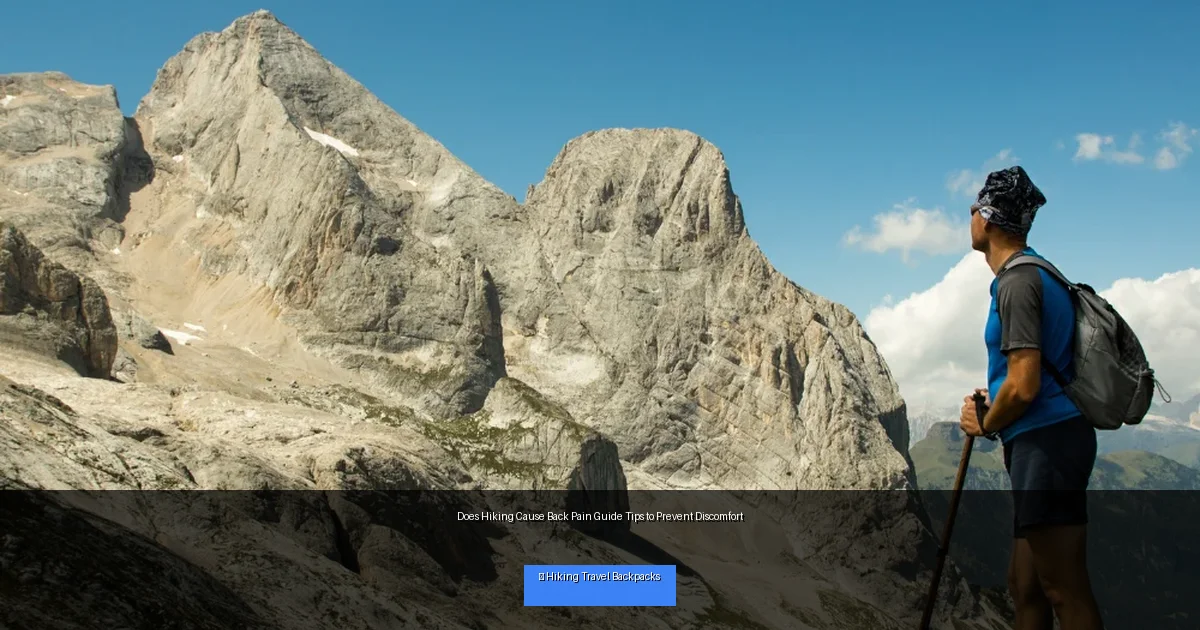
Visual guide about Does Hiking Cause Back Pain Guide Tips to Prevent Discomfort
Image source: borimirdarakchievmd.com
- Heavy or poorly fitted backpacks: Carrying too much weight or improper backpack adjustment strains your spine and muscles.
- Poor posture and technique: Slouching or uneven gait can put uneven pressure on the back.
- Lack of strength and flexibility: Weak core muscles and tight hamstrings increase vulnerability to pain.
- Overuse or sudden increases in activity: Hiking longer or more difficult trails than usual can cause muscle fatigue.
How to Recognize Back Pain Related to Hiking
Typical symptoms include a dull ache in the lower back, stiffness after hiking, or sharp pain during movement. Mild soreness is normal, but persistent or worsening pain signals a need for adjustments.
Step 2: Choose the Right Hiking Travel Backpack
Backpack Weight and Capacity
Select a backpack that fits your body frame and limits weight to 15-20% of your body weight. Overloading your pack is a common cause of back strain.
Look for Support Features
Choose backpacks with padded shoulder straps, adjustable hip belts, and a good suspension system. These features distribute weight evenly and reduce pressure on your back.
Try Before You Buy
Test backpacks with weight before purchasing. Walk around to ensure comfort and fit, adjusting straps for proper load distribution.
Step 3: Pack Your Backpack Smartly
Distribute Weight Evenly
Place heavier items close to your back and near your center of gravity. Lighter items can go further out or on top.
Use Compression Straps
Tighten straps to prevent shifting of contents which can cause imbalance and strain.
Minimize Excess Weight
Only bring essentials. Every extra pound adds pressure to your spine.
Step 4: Adjust Your Backpack Properly
Set Hip Belt Correctly
The hip belt should sit on your hip bones, not your waist, to transfer most of the weight to your hips.
Tighten Shoulder Straps
Shoulder straps should be snug but not too tight, allowing your shoulders to relax.
Use Sternum Straps
These straps help stabilize the pack and prevent side-to-side movement.
Step 5: Prepare Your Body for Hiking
Build Core Strength
Strong abdominal and back muscles support your spine and improve posture. Exercises like planks and bridges help.
Increase Flexibility
Stretching hamstrings, hip flexors, and lower back muscles improves mobility and reduces tightness.
Warm-Up Properly
Before hitting the trail, warm up with light walking and dynamic stretches to prepare muscles.
Step 6: Practice Good Hiking Technique
Maintain an Upright Posture
Keep your back straight and head up. Avoid leaning forward excessively, which strains your lower back.
Use Trekking Poles
Poles reduce impact on joints and help maintain balance, decreasing back strain.
Take Regular Breaks
Stopping to rest prevents fatigue that can lead to poor posture and pain.
Step 7: Manage and Prevent Discomfort During and After Hiking
Listen to Your Body
If you feel pain, slow down or rest. Don’t push through severe discomfort.
Cool Down and Stretch
After hiking, gently stretch your back, hips, and legs to relieve muscle tension.
Apply Ice or Heat
Ice reduces inflammation if you experience pain after a hike. Heat can soothe tight muscles.
Troubleshooting Common Back Pain Issues
Persistent or Sharp Pain
If pain lasts more than a few days or is sharp, consult a healthcare provider to rule out injuries.
Back Pain with Numbness or Weakness
Seek immediate medical attention if you experience numbness, weakness, or bowel/bladder issues.
Adjust Your Gear and Routine
Review your backpack fit, weight, and hiking technique if pain recurs. Consider professional fitting services.
Conclusion
Hiking does not have to cause back pain. By selecting the right hiking travel backpack, packing smartly, and preparing your body, you can enjoy the trails comfortably. Remember to maintain good posture, listen to your body, and gradually build your endurance. With these practical tips, back discomfort will not stand in the way of your hiking adventures.
🎥 Related Video: HOW TO AVOID BACK PAIN WHILE HIKING
📺 Flex Forward PT
In this video I discuss 6 tips to reduce your low back pain on the trail while you are hiking, trekking, or backpacking. These tips can …