Hiking backpacks can be excellent travel companions thanks to their durability, comfort, and storage options. This guide explains the benefits, practical tips, and how to decide if a hiking backpack suits your travel style.
Key Takeaways
- Durability: Hiking backpacks are built tough, making them ideal for rough travel conditions.
- Comfort: Designed for long wear, they offer padded straps and support systems.
- Storage: Multiple compartments help organize travel essentials efficiently.
- Versatility: Suitable for various travel types, from city trips to outdoor adventures.
- Weight: They can be heavier than regular travel backpacks, which may affect packing.
- Style and Accessibility: Some hiking backpacks lack easy access to items, unlike traditional travel bags.
- Choosing Right: Picking the right size and features is crucial for a successful travel experience.
Are Hiking Backpacks Good for Travel? Guide Tips and Benefits Explained
When planning your next trip, choosing the right backpack can make a big difference. You might wonder, are hiking backpacks good for travel? This guide will help you understand the benefits of hiking backpacks for traveling, how to choose one, and practical tips to get the most out of it. Whether you’re heading on a city tour or an outdoor expedition, this guide has you covered.
Why Consider a Hiking Backpack for Travel?
Hiking backpacks are designed for comfort, durability, and organization. These qualities can be hugely beneficial when traveling, especially if you plan to carry your bag for long hours or explore rugged environments. But, they also come with some trade-offs compared to traditional travel backpacks, so understanding both sides is important.
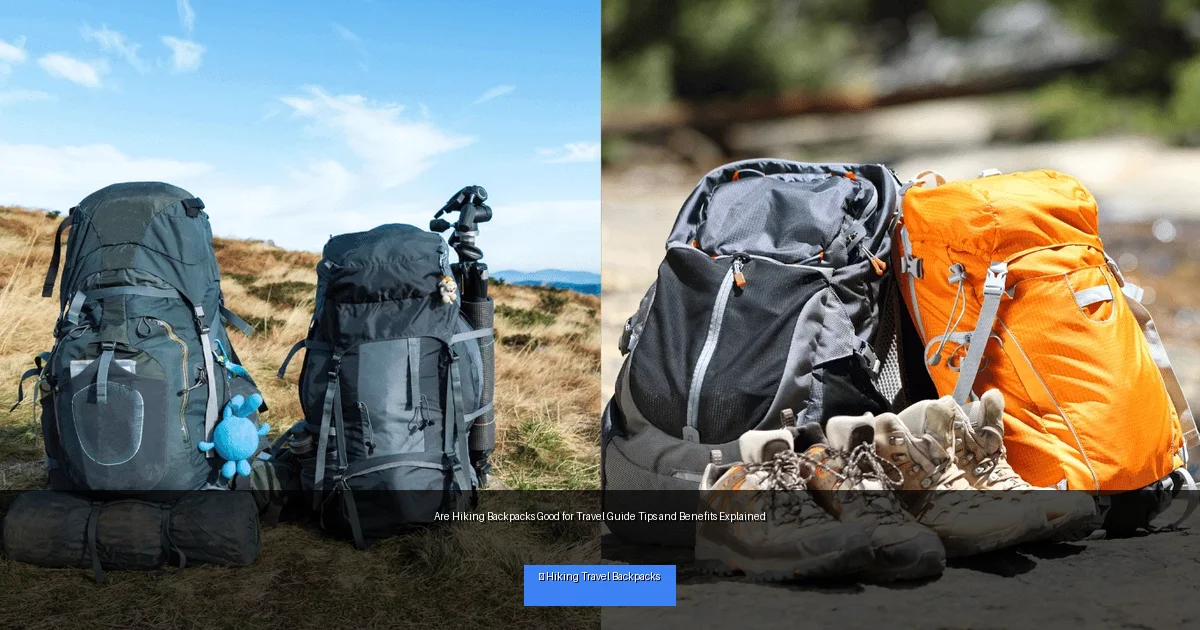
Visual guide about Are Hiking Backpacks Good for Travel Guide Tips and Benefits Explained
Image source: wildernesstrekker.com
Step 1: Understand the Benefits of Hiking Backpacks for Travel
Durability and Build Quality
Hiking backpacks are made to withstand tough outdoor conditions. They use strong fabrics, reinforced seams, and water-resistant materials. This means your belongings get extra protection, which is great if you’re traveling through unpredictable weather or rough terrain.
Comfort During Long Wear
These backpacks feature padded shoulder straps, adjustable hip belts, and ventilation systems. This design helps distribute weight evenly and reduces strain on your back and shoulders, making long walks or hikes easier.
Organized Storage
Multiple compartments, external pockets, and attachment points allow you to organize your gear efficiently. You can separate clothes, electronics, and hiking gear without digging through one big compartment.
Versatility for Different Travel Styles
Whether you’re backpacking through nature or hopping between cities, hiking backpacks adapt well. Many models also come with removable daypacks or hydration bladder compatibility, adding to their flexibility.
Step 2: Consider the Drawbacks Before Choosing
Weight and Bulkiness
Hiking backpacks tend to be heavier than travel-specific bags. This is due to their sturdy materials and additional support features. If you prefer a lightweight pack for urban travel, this could be a downside.
Limited Accessibility
Unlike travel backpacks that open like suitcases, many hiking backpacks open from the top. This can make accessing items in the middle or bottom difficult without unpacking.
Style and Appearance
Hiking backpacks often have a rugged look that might not suit all travel environments, especially formal or city settings. If style is a priority, consider this factor.
Step 3: How to Choose the Right Hiking Backpack for Travel
Size and Capacity
Pick a backpack size that matches your trip length and packing style. For most travelers, a 40-60 liter pack is ideal—it’s roomy yet manageable. Larger packs are better for extended trips but can be cumbersome.
Fit and Comfort
Try on backpacks before buying. Look for adjustable straps and hip belts that fit your torso and hips snugly. A well-fitted backpack reduces fatigue and improves mobility.
Features to Look For
- Multiple compartments for organization
- External pockets for quick access
- Hydration bladder compatibility
- Rain cover included or water-resistant fabric
- Compression straps to stabilize the load
Weight of the Backpack
Choose a lightweight model if you want to reduce your overall pack weight. Keep in mind that ultralight packs may sacrifice some durability or features.
Step 4: Tips for Using a Hiking Backpack While Traveling
Packing Smart
Use packing cubes or stuff sacks to keep your items organized inside the backpack. Place heavier items close to your back and near the center to maintain balance.
Access Essentials Quickly
Keep frequently used items like passports, snacks, or chargers in external pockets or top compartments for easy reach.
Adjust Straps Regularly
As you pack or unpack, adjust the straps to maintain a snug fit. This helps avoid discomfort during long walks or hikes.
Use Rain Covers
Always carry a rain cover or choose a water-resistant backpack to protect your belongings from sudden rain showers.
Troubleshooting Common Issues
Back Pain or Discomfort
If you experience pain, check if your backpack is fitted correctly. Adjust hip belts and shoulder straps to distribute weight better. Consider removing some items to lighten the load.
Difficulty Accessing Items
Organize your bag so that items you use often are near the top or in external pockets. Using packing cubes can help keep things sorted and easy to find.
Overpacking
Hiking backpacks can tempt you to pack more. Make a packing list and stick to essentials to avoid carrying unnecessary weight.
Conclusion
So, are hiking backpacks good for travel? The answer depends on your travel style and preferences. Hiking backpacks offer excellent durability, comfort, and organization, making them a solid choice for many travelers, especially those who prioritize function over fashion. However, if you need quick access or a sleek look, traditional travel backpacks might serve better. By understanding the benefits and downsides, and following our tips, you can confidently choose the best backpack for your adventures.
🎥 Related Video: Beginner's Guide to Solo Backpacking: Essential Gear and Setup for Your First Adventure
📺 Jon Conti
In this video, we’ll cover the essential gear a beginner needs to know about, and the gear you’ll need to pack for your first trip.