Choosing the right hiking travel backpack is essential for a successful adventure. This guide covers the key features your backpack should have, from comfort and size to weather resistance and organization, helping you pick the perfect pack for your outdoor journeys.
Key Takeaways
- Comfort and Fit: Look for adjustable straps and padded support for all-day comfort.
- Capacity: Choose the right size based on your trip length and gear needs.
- Durability: Durable materials and quality zippers ensure your backpack lasts.
- Weather Resistance: Waterproof fabrics or rain covers protect your gear from the elements.
- Organization: Multiple compartments and pockets help keep gear organized and accessible.
- Ventilation: A breathable back panel reduces sweat and improves comfort.
- Additional Features: Hydration compatibility and external attachment points increase versatility.
What Features Should a Hiking Travel Backpack Have for Adventure
When heading out on a hiking adventure, your backpack is your most important piece of gear. It carries everything you need and keeps you comfortable on the trail. But what features should a hiking travel backpack have to make your adventure smooth and enjoyable? In this guide, you’ll learn all about the must-have features to look for when choosing your perfect hiking travel backpack.
Step 1: Prioritize Comfort and Fit
A comfortable backpack makes all the difference, especially during long hikes. Look for backpacks with adjustable shoulder straps, hip belts, and sternum straps to distribute weight evenly.
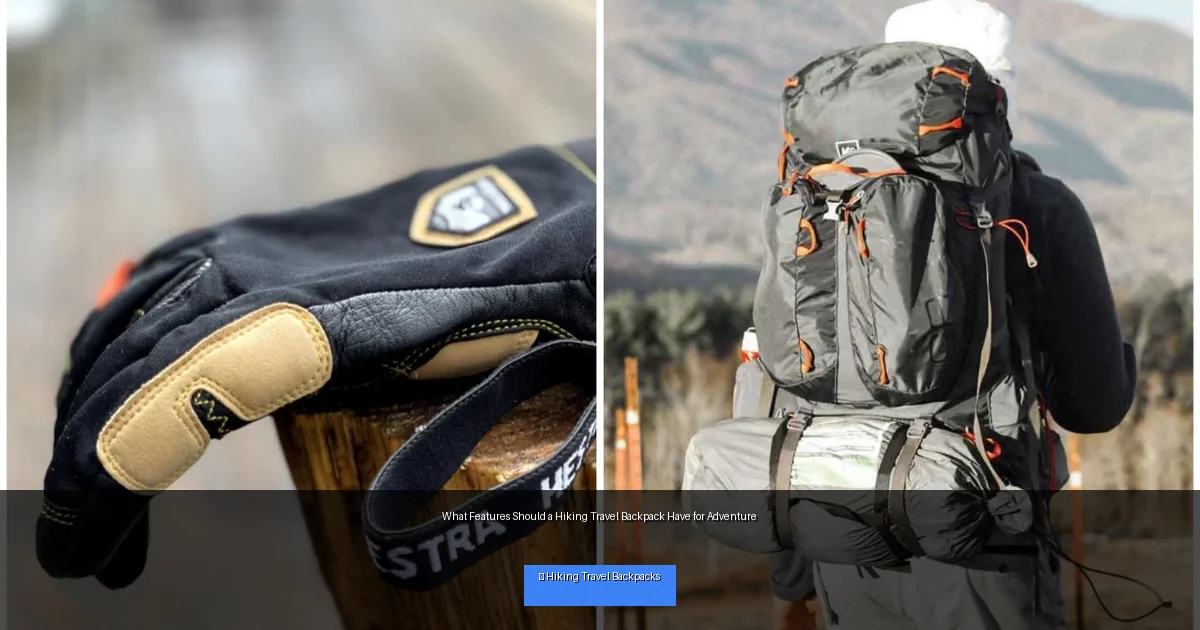
Visual guide about What Features Should a Hiking Travel Backpack Have for Adventure
Image source: iwmbuzz.com
Adjustable Straps
Make sure the shoulder straps can be adjusted to fit your torso length. A well-fitted pack reduces strain on your shoulders and back.
Padded Support
Look for thick padding on shoulder straps and hip belts. This cushioning prevents discomfort and chafing during long walks.
Hip Belt Importance
The hip belt carries most of the pack’s weight, relieving your shoulders. A padded, adjustable hip belt is essential for comfort on heavy loads.
Step 2: Choose the Right Capacity
The size of your backpack depends on how long your trip will be and how much gear you need to carry.
Day Hikes (15-30 Liters)
If you’re going on a day hike, a smaller backpack with 15 to 30 liters capacity is enough to carry water, snacks, and a jacket.
Overnight Trips (30-50 Liters)
For overnight trips, choose a backpack around 30 to 50 liters. This gives enough space for sleeping gear, clothes, and food.
Extended Adventures (50+ Liters)
Longer trips require bigger backpacks. Packs over 50 liters can hold tents, cooking gear, and extra supplies.
Step 3: Look for Durable Materials
Hiking can be tough on gear. Your backpack should be made from strong, durable materials that can handle rough trails and weather.
Ripstop Nylon or Polyester
These materials offer excellent durability and resistance to tearing. Many hiking backpacks use ripstop fabric for added strength.
Quality Zippers and Buckles
Check that zippers glide smoothly and buckles are sturdy. These small parts are often weak points in a backpack.
Step 4: Ensure Weather Resistance
Weather can change quickly on the trail. Your backpack should protect your gear from rain, snow, and dirt.
Water-Resistant Fabric
Look for backpacks made with water-resistant materials to keep your gear dry during light rain.
Rain Cover Included
An integrated or removable rain cover is a great feature. It offers extra protection when you face heavy rainstorms.
Step 5: Opt for Good Organization
Organization features help you keep your gear accessible and well-arranged.
Multiple Compartments
Look for backpacks with several compartments to separate your gear. A main compartment, front pocket, and side pockets are useful.
Internal Pockets and Dividers
Internal pockets keep small items secure and easy to find. Dividers help separate wet or dirty gear from clean items.
External Attachment Points
Loops and daisy chains let you attach trekking poles, sleeping bags, or other gear outside your pack.
Step 6: Consider Ventilation Features
Ventilation keeps you cool and reduces sweat buildup on your back.
Mesh Back Panel
A mesh or suspended back panel allows air to flow between your back and the pack.
Breathable Shoulder Straps
Padded straps with breathable fabric improve comfort in warm weather.
Step 7: Look for Extra Features
Some backpacks offer extra features that improve convenience and versatility.
Hydration Bladder Compatibility
A hydration reservoir sleeve and hose ports make it easy to drink water on the move.
Compression Straps
Compression straps help stabilize your load and keep the pack compact.
Reflective Elements
Reflective patches improve visibility if you’re hiking near roads or in low light.
Troubleshooting Common Backpack Issues
Backpack Feels Uncomfortable
If your pack hurts your shoulders or back, adjust the straps and hip belt for a better fit. Make sure the weight is balanced and not too heavy.
Gear Getting Wet
If your backpack isn’t keeping gear dry, invest in a rain cover or use dry bags inside the pack for extra protection.
Difficulty Finding Items
Use packing cubes or organize gear into separate compartments to avoid digging through the whole pack.
Conclusion
Choosing the right hiking travel backpack means finding one with comfort, durability, weather resistance, organization, and the right size. By focusing on these features, you’ll have a backpack that supports your adventure every step of the way. Take your time to try different packs and consider your hiking style to make the best choice. A well-chosen backpack enhances your experience and lets you enjoy the great outdoors without worry.
🎥 Related Video: Watch This BEFORE you buy a backpack.
📺 MyLifeOutdoors
Check out Garage Grown Gear: https://geni.us/AlGAz Packs from this video: Osprey Aether 55: https://geni.us/MBJA9G Hyperlite …