What to Pack in a Hiking Travel Backpack for Your Next Adventure
Planning a hiking trip? Knowing what to pack in a hiking travel backpack is key to a successful adventure. This guide covers all the essentials, from clothing and gear to food and safety items, ensuring you are prepared for any situation on the trail.
Key Takeaways
- Essential Gear: Pack lightweight and multipurpose tools to maximize space and utility.
- Clothing Layers: Bring moisture-wicking, insulating, and waterproof layers to adapt to changing weather.
- Food and Hydration: Carry high-energy snacks and enough water or filtration systems to stay fueled and hydrated.
- Safety Items: Include a first aid kit, navigation tools, and emergency supplies to handle unexpected situations.
- Packing Strategy: Organize your backpack by weight and accessibility for comfort and convenience on the trail.
- Personal Items: Don’t forget essentials like sun protection, insect repellent, and toiletries.
- Adjust for Trip Length: Tailor your packing list to the duration and difficulty of your hike.
What to Pack in a Hiking Travel Backpack for Your Next Adventure
Heading out on a hiking adventure is exciting, but packing can sometimes feel overwhelming. What do you really need? This guide will teach you what to pack in a hiking travel backpack so you can hike smart, stay safe, and enjoy your time outdoors without carrying unnecessary weight.
Step 1: Start with the Right Backpack
Your backpack is your home base on the trail. Choose one that fits your body comfortably and suits your trip length.
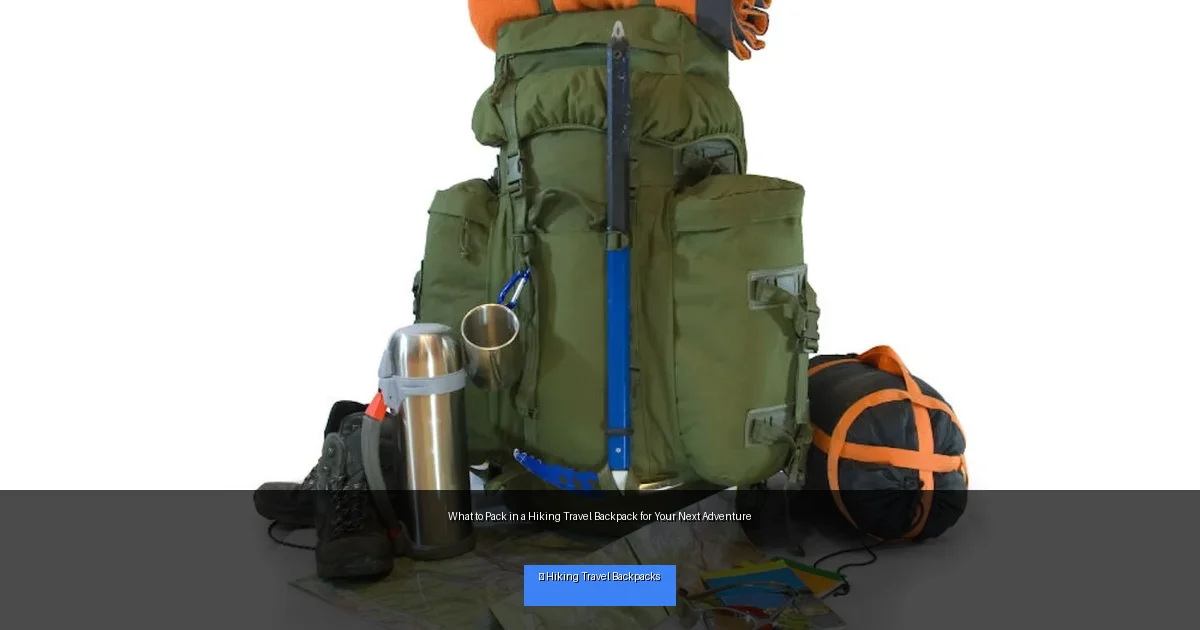
Visual guide about What to Pack in a Hiking Travel Backpack for Your Next Adventure
Image source: leisurehiking.com
Choosing the Size
- Day hikes: 15-30 liters is usually enough.
- Overnight or multi-day hikes: 40-60 liters to carry extra gear.
Fit and Comfort
Adjust straps and hip belts to fit snugly. A well-fitted backpack reduces strain and prevents blisters.
Step 2: Pack Essential Clothing Layers
Weather can change fast outdoors. Packing the right layers keeps you comfortable and safe.
Base Layer
- Wear moisture-wicking fabrics like synthetic or merino wool to keep sweat away from your skin.
Insulating Layer
- Bring a fleece or lightweight down jacket for warmth.
Outer Layer
- A waterproof and windproof jacket is crucial to protect against rain and wind.
Extra Clothing
- Don’t forget an extra pair of socks and a hat or gloves depending on the season.
Step 3: Pack Food and Hydration Supplies
Keeping your energy up and staying hydrated is vital on the trail.
Food
- Pack lightweight, high-calorie snacks like trail mix, energy bars, and dried fruits.
- For longer trips, bring easy meals like dehydrated camping food or sandwiches.
Hydration
- Carry enough water for your hike length (about 2 liters for a day hike).
- Consider including a water filter or purification tablets if water sources are available.
Step 4: Include Safety and Navigation Gear
Being prepared for emergencies is one of the most important parts of packing.
First Aid Kit
- Include bandages, antiseptic wipes, pain relievers, blister treatment, and any personal medications.
Navigation Tools
- Bring a map and compass or a GPS device, and know how to use them.
Emergency Supplies
- Pack a whistle, multitool, flashlight or headlamp with extra batteries, and a fire starter.
Step 5: Organize Your Backpack Efficiently
How you pack affects your comfort and ease on the trail.
Distribute Weight Evenly
- Place heavier items close to your back and near the middle of the pack.
- Lighter items can go toward the top or outer pockets.
Keep Essentials Accessible
- Keep snacks, water, rain gear, and first aid kit in easy-to-reach pockets.
Use Packing Cubes or Stuff Sacks
- They help organize gear and compress items to save space.
Step 6: Don’t Forget Personal and Miscellaneous Items
- Sun Protection: Sunscreen, sunglasses, and a hat protect your skin and eyes.
- Insect Repellent: Especially important in bug-prone areas.
- Toiletries: Toothbrush, biodegradable soap, hand sanitizer, and toilet paper.
- Trash Bag: Pack out all your waste to leave no trace.
- Camera or Phone: For photos and emergency communication.
Step 7: Adjust Your Packing List Based on Trip Length and Conditions
Longer hikes require more supplies, while short day trips can be lighter. Always check weather forecasts and trail conditions to tailor your packing list accordingly.
Troubleshooting Common Packing Issues
Backpack Feels Too Heavy
Reassess your gear. Remove non-essential items, choose lighter alternatives, and repack to distribute weight evenly.
Items Get Wet
Use waterproof bags or dry sacks inside your backpack. Keep electronics and clothing separate from water sources.
Difficulty Finding Items
Organize your gear with packing cubes and keep frequently used items in external pockets.
Conclusion
Packing the right items in your hiking travel backpack can make all the difference between a fun adventure and a stressful trek. Focus on essentials like proper clothing, food, hydration, and safety gear. Organize your backpack thoughtfully, and always adjust your packing list for the specific trip. With these tips, you’ll be ready to explore with confidence and enjoy every step of your journey.
🎥 Related Video: How we pack our backpacks and what it all weighs!
📺 thruhikers
This #short shows how we pack our backpacks for overnight trips and how it all adds up to right around 9 lbs. This is our “generic” …