What Size Hiking Backpack Is Best for Travel Tips and Recommendations
Choosing the right size hiking backpack is crucial for comfortable and efficient travel. This guide covers everything from understanding backpack capacities to matching pack size with your travel style, helping you pick the best hiking backpack for your needs.
Key Takeaways
- Backpack size matters: Picking the right capacity ensures comfort and convenience during travel.
- Understand capacity: Backpack size is measured in liters, indicating volume and storage space.
- Match size to trip length: Day trips need smaller packs, while multi-day hikes require larger ones.
- Consider personal packing style: Minimalists can opt for smaller backpacks, while those carrying more gear need bigger packs.
- Try before you buy: Fit and comfort are just as important as size when selecting a hiking backpack.
- Account for extra features: Pockets, hydration compatibility, and adjustable straps impact overall usability.
- Weight distribution is key: Properly sized backpacks help balance weight and reduce strain.
What Size Hiking Backpack Is Best for Travel Tips and Recommendations
If you’re planning a hiking trip or combining travel with outdoor adventures, choosing the right size hiking backpack is essential. In this guide, you will learn how to select the perfect backpack size based on your trip length, packing needs, and comfort preferences. By the end, you’ll be ready to pick a hiking backpack that fits you and your travel style perfectly.
Understanding Hiking Backpack Sizes
What Does Backpack Size Mean?
Backpack size is usually measured in liters and refers to the volume of space inside the pack. This volume determines how much gear you can carry. For example, a 20-liter backpack holds less than a 50-liter backpack. Knowing these measurements helps you pick a backpack that fits your trip requirements.
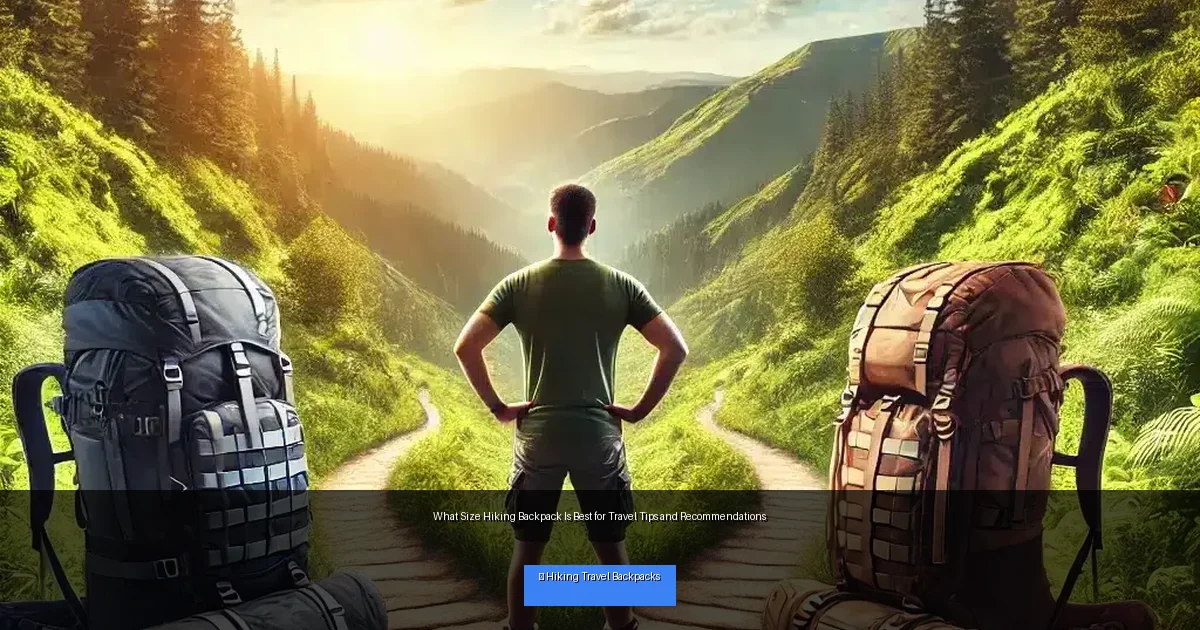
Visual guide about What Size Hiking Backpack Is Best for Travel Tips and Recommendations
Image source: backpacktips.com
Common Backpack Size Categories
- Small (10-30 liters): Ideal for day hikes or light travel.
- Medium (30-50 liters): Good for overnight trips or minimalist multi-day hikes.
- Large (50-70 liters): Suitable for multi-day trips with moderate gear.
- Extra Large (70+ liters): Best for extended trips or when carrying heavy gear.
Step 1: Identify Your Travel Type and Trip Length
Day Hikes and Short Excursions
For day hikes or short travel days, a small backpack between 15 and 30 liters is usually enough. These packs are lightweight and compact, perfect for carrying essentials like water, snacks, a jacket, and some personal items.
Overnight or Weekend Trips
If your travel includes one or two nights outdoors, a medium-sized backpack of 30 to 50 liters is best. It allows room for a sleeping bag, extra clothing, food, and basic camping gear without being too bulky.
Multi-Day Hiking or Extended Travel
Backpacks sized 50 liters and above are designed for trips lasting several days. These packs can hold all your gear, including tents, cooking equipment, and more clothing. Choose this size if you plan long hikes or travel that requires carrying substantial gear.
Step 2: Consider Your Packing Style and Gear
Minimalist Packing
If you like to travel light, you can opt for a smaller pack even on longer trips. Focus on lightweight gear and essentials only. This approach saves weight and makes hiking easier.
Comfort-Oriented Packing
If you prefer comfort and extra options, a larger backpack provides space for additional clothing, food, and accessories. Just be mindful of the added weight and bulk.
Special Gear Needs
Consider any special equipment like photography gear, climbing tools, or electronics. These items might require a larger pack or special compartments.
Step 3: Focus on Fit and Comfort
Measure Your Torso Length
Backpack fit is tied to torso length, not height. Measure from the spine base (near the top of your hip bones) to the base of your neck. This helps you pick a backpack size that aligns with your body.
Check Hip Belt Position
The hip belt should rest comfortably on your hips to transfer weight effectively. A well-fitted hip belt reduces shoulder strain.
Try Different Packs
Visit outdoor stores to try backpacks on with weight inside. Walk around to test comfort and adjust straps for a snug fit.
Step 4: Consider Additional Features
Pockets and Compartments
Extra pockets help organize gear. Hydration bladder sleeves, side pockets, and top lids are useful features to consider.
Adjustability
Look for adjustable shoulder straps, hip belts, and load lifters. These features improve fit and comfort on the trail.
Weight of the Backpack Itself
Lightweight backpacks reduce your overall pack weight. However, lighter packs sometimes trade durability or features, so balance your needs.
Step 5: Make Your Final Choice and Pack Smart
Match Size to Your Checklist
Review your gear list and estimate volume. Choose a backpack slightly larger than your estimated need to allow for extra items.
Pack Strategically
Place heavy items close to your back and centered to maintain balance. Use compression straps to stabilize the load.
Troubleshooting Common Issues
Backpack Feels Too Big or Too Small
If your backpack feels bulky or cramped, reassess your packing list or try a different size. Remember, comfort is key to enjoying your trip.
Shoulder or Back Pain
Check that the hip belt carries most of the weight. Adjust straps and tighten load lifters. If pain persists, consider a different pack with better fit.
Packing Challenges
Use packing cubes or stuff sacks to organize gear. This helps maximize space and keeps items accessible.
Conclusion
Selecting the best size hiking backpack for travel depends on your trip length, packing style, and body fit. By understanding backpack capacities, trying on packs, and considering your gear needs, you can find the perfect hiking backpack. Remember, a well-chosen backpack improves comfort and makes your travel adventures more enjoyable. Happy hiking!
🎥 Related Video: What Size Backpack Should You Use?
📺 BackpackingTV
I put several backpacks of various size to the test, packing each one with enough for a night out in the woods to find out which size …