How to Reduce Weight in a Hiking Travel Backpack for Easy Trekking
Reducing the weight of your hiking travel backpack can make a huge difference in your trekking experience. This guide covers practical steps to lighten your load, from choosing the right gear to smart packing strategies. With these tips, you’ll hike easier and enjoy your journey more.
Key Takeaways
- Choose lightweight gear: Opt for compact, light materials to cut down unnecessary weight.
- Pack only essentials: Prioritize items based on necessity and ditch non-essentials.
- Distribute weight evenly: Proper packing balances the load and reduces strain.
- Use multi-purpose items: Select gear that serves multiple functions to save space and weight.
- Minimize food and water weight: Plan meals carefully and use water purification to avoid carrying excess water.
- Regularly reassess your pack: Before each hike, reevaluate what you really need.
- Optimize clothing layers: Carry versatile clothing suitable for changing weather without overpacking.
How to Reduce Weight in a Hiking Travel Backpack for Easy Trekking
If you love hiking, you know that a heavy backpack can quickly turn fun into fatigue. Carrying too much weight makes every step harder and can even cause injury. This guide will teach you how to reduce weight in a hiking travel backpack so you can trek easier and enjoy your adventure fully. You’ll learn how to pick the right gear, pack smart, and make practical decisions to lighten your load without sacrificing comfort or safety.
Step 1: Choose Lightweight and Compact Gear
Focus on the Right Backpack
Start with your backpack itself. Choose a model made from lightweight, durable materials. Modern hiking backpacks often weigh less than older versions without losing strength or comfort. Look for packs with features that reduce weight, such as minimalist frames and thin padding.
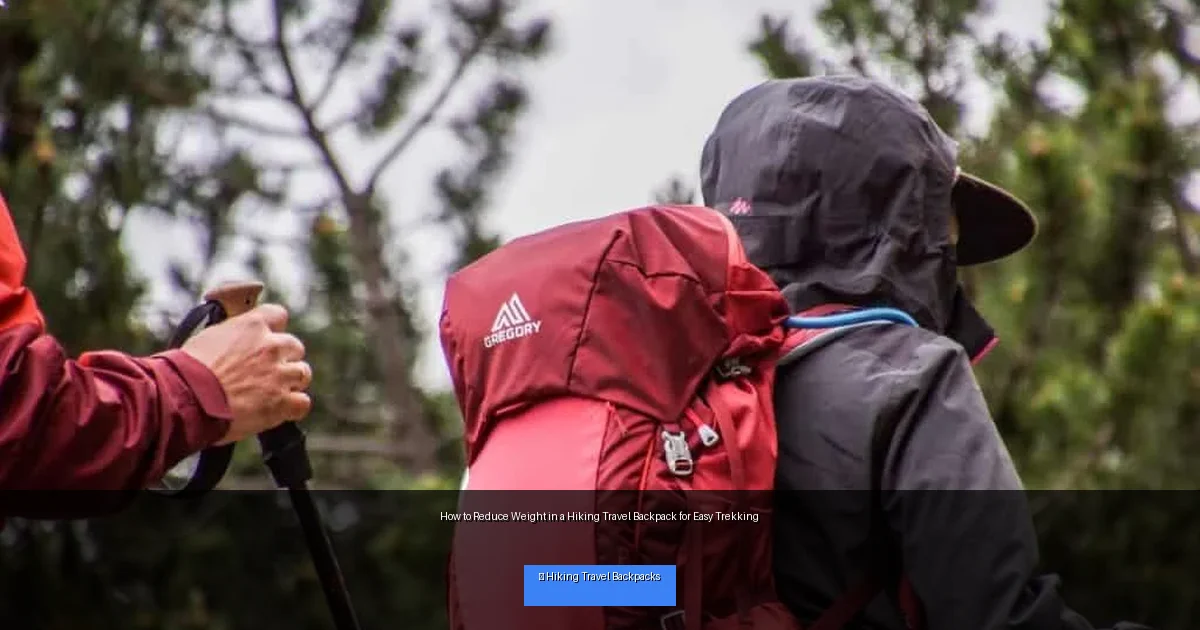
Visual guide about How to Reduce Weight in a Hiking Travel Backpack for Easy Trekking
Image source: hikeauthority.com
Upgrade Your Sleeping System
Sleeping bags and pads are often bulky and heavy. Invest in ultralight sleeping bags made from synthetic or down insulation, and pick compact inflatable sleeping pads. These save pounds and pack down small.
Pick Lightweight Cooking Equipment
Replace heavy pots and stoves with compact, lightweight options. Titanium cookware and small canister stoves weigh less and are easier to carry. Consider fuel-efficient stoves to carry less fuel.
Step 2: Pack Only What You Need
Make a Packing List
Write down everything you think you need, then cut it down. Be honest with yourself about what is essential. Leave behind “just in case” items that rarely get used.
Prioritize Multi-Use Items
Choose items that serve more than one purpose. For example, a bandana can be a towel, sunshade, or pot holder. A jacket with a hood can replace a separate hat and scarf.
Limit Clothing to Versatile Layers
Bring clothes that work in different weather conditions. Avoid packing too many extra outfits. Layering lets you adjust warmth without bulk.
Step 3: Organize and Distribute Weight Smartly
Pack Heavy Items Close to Your Back
Keep the heaviest gear near your spine and centered. This improves balance and reduces shoulder strain.
Distribute Weight Evenly
Spread out medium-weight items around your pack to prevent it from pulling you off balance.
Use Compression Sacks
Compression sacks reduce the volume of bulky items like clothes or sleeping bags, making your pack more compact and manageable.
Step 4: Manage Food and Water Weight
Plan Efficient Meals
Choose lightweight, high-calorie foods such as nuts, dried fruits, and dehydrated meals. Avoid heavy canned or fresh foods.
Carry Less Water, Purify On The Go
Water is heavy, so carry only what you need for the next leg of your hike. Use a portable water filter or purification tablets to refill safely from natural sources.
Step 5: Regularly Reassess and Adjust Your Pack
Review Your Pack Before Each Trip
Every hike is different. Check your packing list and gear before you leave. Remove items you won’t need for that specific journey.
Learn From Each Experience
After each hike, think about what you carried but didn’t use. Gradually, you’ll get better at packing only what’s necessary.
Troubleshooting Common Packing Challenges
My Backpack Feels Too Heavy Even After Cutting Gear
Try redistributing the weight or double-check if any items can be swapped for lighter versions. Also, ensure your backpack fits properly to avoid discomfort.
I’m Unsure What Items Are Truly Essential
Research typical gear lists for your trail and climate. Join hiking forums or talk to experienced hikers for advice on must-have items.
How Do I Balance Safety and Weight?
Safety is always a priority. Carry basic first aid, navigation tools, and weather-appropriate gear, but avoid overpacking extras. Multi-use items help maintain safety without excess weight.
Conclusion
Reducing weight in your hiking travel backpack takes planning and smart choices. By selecting lightweight gear, packing only essentials, organizing your load, and managing food and water wisely, you can hike easier and further. Each step you take toward a lighter pack makes trekking more enjoyable and less tiring. Start applying these tips today and feel the difference on your next adventure!
🎥 Related Video: 13 TIPS FOR LOWERING BACKPACK WEIGHT
📺 AS THE CROW FLIES HIKING
In this video, I discuss 13 way to lower the weight of your backpack while hiking the trail. Initially, I talked about “base weight” in …