How to Pack a Hiking Backpack for Air Travel Step by Step Guide
Planning to fly with your hiking backpack? This guide teaches you how to pack a hiking backpack for air travel efficiently. From choosing the right gear to smart packing techniques, you’ll get practical tips to stay organized and avoid travel headaches.
Key Takeaways
- Choose the right backpack size: Ensure your hiking backpack meets airline carry-on or checked luggage requirements to avoid extra fees.
- Organize gear by priority: Pack essential items like travel documents and valuables in accessible compartments.
- Use packing cubes and compression bags: Maximize space and keep items neat and compact.
- Protect fragile and sensitive gear: Wrap electronics and delicate items with padding to prevent damage.
- Follow airline regulations: Check rules for liquids, sharp objects, and battery-powered devices to avoid issues at security.
- Distribute weight evenly: Balance your backpack to make it easier to carry after your flight.
- Prepare for security checks: Pack with TSA guidelines in mind to speed up screening and reduce stress.
How to Pack a Hiking Backpack for Air Travel Step by Step Guide
Traveling with your hiking backpack on a plane can be tricky. You want to bring everything you need without overpacking or running into airline restrictions. In this guide, you will learn how to pack a hiking backpack for air travel efficiently and safely. We’ll cover selecting the right backpack, organizing your gear, packing smartly, and preparing for airport security. By the end, you’ll feel confident packing your hiking backpack for any trip.
Step 1: Choose the Right Hiking Backpack for Air Travel
Before packing, make sure your backpack is suitable for flying. Airlines have size and weight limits for carry-ons and checked bags.
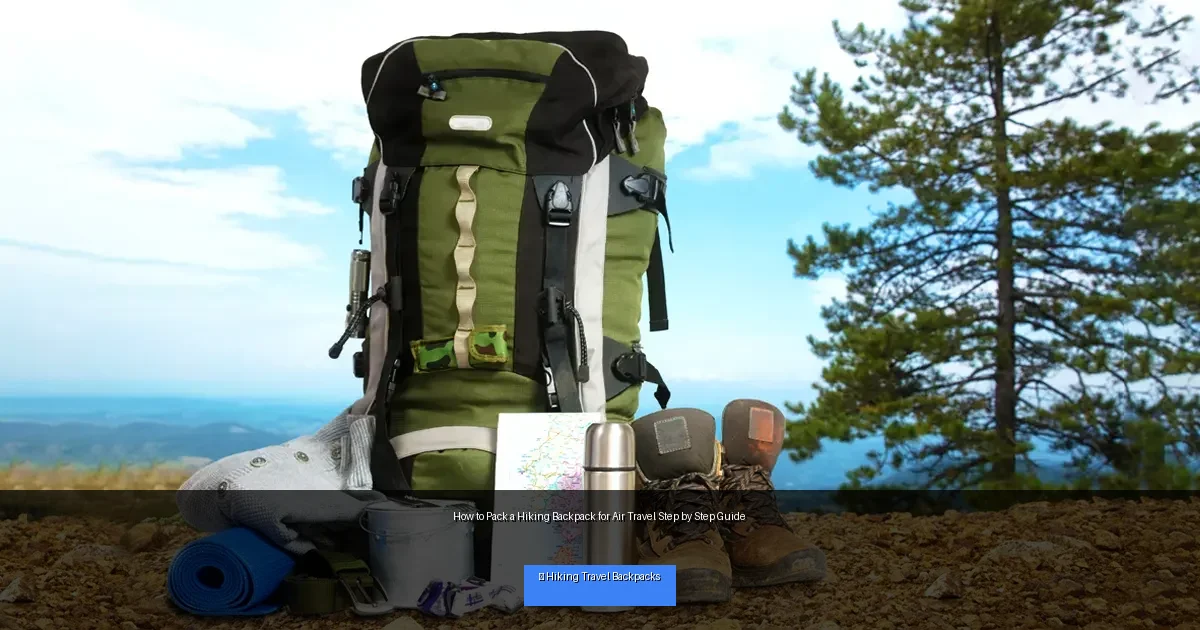
Visual guide about How to Pack a Hiking Backpack for Air Travel Step by Step Guide
Image source: travelsavvyguide.com
Check Airline Size Limits
Most airlines allow carry-on bags around 22 x 14 x 9 inches (56 x 36 x 23 cm). If your hiking backpack fits these dimensions, you can save time by carrying it on. If not, prepare to check it as luggage.
Consider Weight Restrictions
Checked baggage usually has a 50-pound (23 kg) limit, but this varies. Weigh your packed backpack ahead of time to avoid overweight fees. Lightweight backpacks help you pack more gear without exceeding limits.
Step 2: Make a Packing List for Hiking and Travel Essentials
Start by listing everything you’ll need, both for hiking and for the flight. This helps you avoid forgetting key items or overpacking.
Separate Items Into Categories
- Clothing: Weather-appropriate layers, socks, underwear
- Hiking gear: Boots, trekking poles, headlamp
- Camping equipment: Tent, sleeping bag, cooking gear
- Travel essentials: Passport, tickets, chargers
- Toiletries and medications
Prioritize Your Gear
Decide which items are essential and which can be left behind or bought at your destination. This keeps your pack light and manageable.
Step 3: Organize Your Gear Before Packing
Organization is key for efficient packing. Use small bags or pouches to group similar items.
Use Packing Cubes or Compression Bags
Packing cubes keep clothes organized and easy to find. Compression bags reduce volume, giving you more space.
Separate Clean and Dirty Clothes
Bring a laundry bag or use a waterproof pouch to keep dirty clothes separate during your trip.
Protect Fragile Items
Wrap electronics, cameras, and other fragile gear in clothing or bubble wrap to prevent damage.
Step 4: Pack Your Backpack Smartly
How you load your backpack affects comfort and access during travel.
Pack Heavy Items Close to Your Back
Place heavy gear like boots or cooking stoves near the back panel to balance weight and reduce strain.
Fill Gaps with Smaller Items
Use socks, gloves, or small clothing to fill empty spaces and stabilize the load.
Keep Essentials Accessible
Store travel documents, electronics, snacks, and medications in external pockets or top compartments.
Seal Liquids Properly
Put all liquids in clear, resealable bags following TSA rules. Keep these bags accessible for security checks.
Step 5: Prepare for Airport Security and Air Travel
Make your trip through security smooth by following these tips.
Know the Rules for Prohibited Items
Check TSA or your airline’s website for banned items like sharp tools, large liquids, or flammable materials.
Remove Electronics and Liquids at Security
Be ready to take out laptops, tablets, and liquid bags during screening.
Label Your Backpack
Attach your contact information inside and outside the pack in case it gets lost.
Use Durable Luggage Locks
Secure your backpack with TSA-approved locks to protect your belongings while allowing security inspections.
Step 6: After Your Flight – Adjust Your Backpack for Hiking
Once you arrive, reorganize your backpack for hiking comfort.
Repack Heavy Items Closer to Your Back
Adjust straps and distribute weight evenly to avoid fatigue on the trail.
Check Your Gear for Damage
Inspect your backpack and equipment for any damage during transit.
Restock Supplies
Buy perishable items like food and toiletries locally if needed.
Troubleshooting Common Packing Problems
Backpack Too Heavy
If your pack exceeds airline weight limits, remove non-essential items or shift some gear to a personal item bag.
Overpacking
Revisit your packing list and eliminate duplicates or items not needed for your destination.
Security Holds
If security holds you for additional screening, stay calm and cooperate. Having organized bags speeds up the process.
Damaged Gear
Report lost or damaged luggage immediately at the airport. Take photos for insurance claims.
Conclusion
Packing a hiking backpack for air travel doesn’t have to be stressful. By choosing the right backpack, organizing your gear, and packing thoughtfully, you can travel light and stay prepared for your adventure. Remember to follow airline rules and pack with security in mind to make your journey smooth. With these steps, you’re all set to enjoy hiking and exploring new places without hassle.
🎥 Related Video: How to Pack Your Backpack the Right Way | Outside
📺 Outside
Outside editorial fellow Taylor Gee gives us the breakdown of how he packed his backpack for his thru-hike of the Pacific Crest …