Ultimate Walking Shoes Replacement Guide for Comfortable Steps
In this Ultimate Walking Shoes Replacement Guide, you’ll learn how to know when your walking shoes need replacement and the best ways to choose new ones. This guide offers easy steps, practical tips, and expert advice to keep your feet comfortable and supported on every walk.
Key Takeaways
- Know the signs: Learn how to identify when your walking shoes are worn out and need replacement.
- Understand mileage impact: Discover how walking distance affects shoe lifespan.
- Choose the right replacement: Tips for selecting walking shoes that fit well and suit your walking style.
- Maintain your shoes: Simple care tips to extend walking shoe durability.
- Replace timely: Avoid foot pain and injuries by replacing shoes at the right time.
- Consider your walking habits: How terrain and frequency influence shoe wear.
- Use expert tips: Practical advice to make your shoe shopping stress-free and effective.
Ultimate Walking Shoes Replacement Guide for Comfortable Steps
Walking is a simple activity, but it demands the right gear—especially your shoes. Walking shoes cushion your feet, support your stride, and protect your joints. Over time, even the best shoes wear out. Knowing when and how to replace them is key to staying comfortable and avoiding injury. In this guide, you’ll learn everything about walking shoes replacement—from spotting the signs of wear to choosing the perfect new pair. By the end, you’ll be ready to take confident, comfortable steps every day.
How to Know When to Replace Your Walking Shoes
Not sure if your walking shoes need replacement? Here are clear signals that it’s time for a new pair.
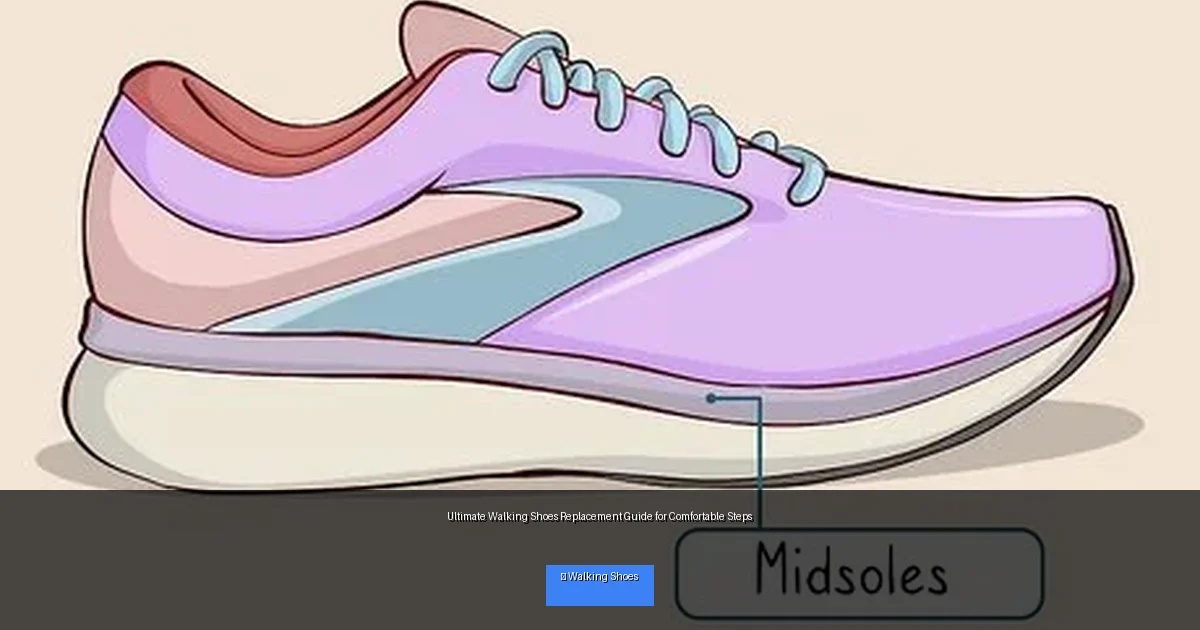
Visual guide about Ultimate Walking Shoes Replacement Guide for Comfortable Steps
Image source: wikihow.com
1. Check the Outsole Wear
The outsole is the rubber bottom of your shoe. If it’s worn down unevenly or has smooth spots, your shoes have lost traction and support. This can cause slipping and strain.
2. Inspect the Midsole Cushioning
The midsole absorbs shock when you walk. Over time, it compresses and loses bounce. Press your fingers into the midsole—if it feels flat or hard, the cushioning is no longer effective.
3. Look for Physical Damage
Cracks, tears, or holes in the upper fabric, broken eyelets, or damaged heel counters mean your shoes are past their prime.
4. Notice Discomfort or Pain
New aches in your feet, ankles, knees, or hips during or after walks can indicate your shoes aren’t providing proper support anymore.
5. Track Your Mileage
Walking shoes typically last between 300 to 500 miles. Keep a log of your walking distance to help decide when to replace them.
Step-by-Step Guide to Replacing Your Walking Shoes
Step 1: Evaluate Your Current Shoes
Before buying new shoes, thoroughly assess your current pair using the signs above. This will help you understand what features to look for in replacements.
Step 2: Determine Your Walking Style and Needs
- Foot type: Identify if you have flat feet, high arches, or neutral arches.
- Walking terrain: Roads, trails, or treadmills require different shoe features.
- Frequency and distance: More frequent or longer walks may need more durable shoes.
Step 3: Research and Choose the Right Shoes
Look for walking shoes that match your foot type and walking habits. Pay attention to:
- Fit: Shoes should be snug but not tight, with enough toe room.
- Cushioning: Choose appropriate midsole support for shock absorption.
- Flexibility: The shoes should bend easily at the ball of the foot.
- Breathability: Materials that allow airflow keep feet dry and comfortable.
- Weight: Lightweight shoes reduce fatigue on long walks.
Step 4: Try on Shoes at the Right Time
Try new walking shoes in the afternoon or evening when your feet are slightly swollen. Wear the socks you normally use for walking. Walk around the store or your home to test comfort and fit.
Step 5: Break in Your New Shoes Gradually
Don’t wear new shoes for long walks right away. Start with short walks to allow your feet to adjust and to identify any discomfort early.
Tips to Extend the Life of Your Walking Shoes
- Rotate shoes: If possible, have two pairs to alternate and allow shoes to air out.
- Keep them clean: Remove dirt and moisture regularly to prevent material breakdown.
- Use shoe trees: Help maintain shape and absorb moisture.
- Avoid extreme conditions: Don’t leave shoes in hot cars or wet areas for long periods.
Troubleshooting Common Walking Shoe Problems
Shoe Feels Too Tight or Too Loose
If new shoes cause discomfort, try adjusting the lacing pattern or consider insoles for better fit. If problems persist, the shoe size or model may be wrong.
Foot Pain After Walking
Persistent pain might mean your shoes lack adequate support or cushioning. Consult a specialist about custom orthotics or different shoe types.
Shoes Wear Out Quickly
Rapid wear may indicate unsuitable shoes for your walking style or terrain. Consider more durable materials or shoes designed for your specific use.
Conclusion
Replacing your walking shoes on time is essential for comfort, injury prevention, and performance. By recognizing wear signs, understanding your walking needs, and choosing the right shoes, you set yourself up for enjoyable, healthy walking experiences. Follow this guide’s steps and tips to keep your feet happy with every step you take.