Ultimate Walking Shoes Washing Guide for Fresh and Clean Feet
Keeping your walking shoes fresh and clean is essential for comfort and durability. In this Ultimate Walking Shoes Washing Guide, you will discover simple, effective methods to clean your shoes safely at home. From prepping your shoes to drying tips, this guide covers everything you need for fresh and clean feet on every walk.
Key Takeaways
- Proper Cleaning Methods: Use gentle hand washing or machine washing depending on your shoe type to avoid damage.
- Step-by-Step Process: Remove laces and insoles, clean thoroughly, and dry properly for best results.
- Use the Right Cleaning Agents: Mild detergent or specialized shoe cleaner keeps materials intact.
- Drying Techniques Matter: Air dry your shoes at room temperature to prevent warping or shrinking.
- Regular Maintenance: Clean your walking shoes regularly to prevent odor and extend their lifespan.
- Material-Specific Tips: Different materials like mesh, leather, or synthetic require unique care approaches.
- Troubleshooting Stains and Odors: Learn how to tackle tough dirt and persistent smells effectively.
Ultimate Walking Shoes Washing Guide for Fresh and Clean Feet
Walking shoes are your trusted companions for daily strolls, hikes, or fitness sessions. Over time, they accumulate dirt, sweat, and odors, which can affect your comfort and shoe lifespan. This guide will teach you how to wash walking shoes properly, so they stay fresh, clean, and ready for every step.
Why Proper Washing of Walking Shoes Matters
Cleaning your walking shoes regularly helps maintain their shape, function, and appearance. Dirt and grime can break down shoe materials, while sweat and bacteria cause unpleasant odors. Washing your shoes the right way protects your investment and keeps your feet comfortable and healthy.
Visual guide about Ultimate Walking Shoes Washing Guide for Fresh and Clean Feet
Image source: wikihow.com
Step 1: Check Your Walking Shoes’ Material and Care Label
Identify the Material
Walking shoes come in various materials such as mesh, leather, suede, or synthetic blends. Knowing the material helps you select appropriate cleaning methods. For example, leather shoes need gentle care, while mesh shoes can handle more water.
Read the Care Label
Most shoes have a care label inside or on the packaging. Follow these manufacturer instructions to avoid damaging your shoes.
Step 2: Gather Your Supplies
- Mild detergent or specialized shoe cleaner
- Soft brush (old toothbrush works well)
- Clean cloth or sponge
- Warm water
- Bucket or basin
- Paper towels or old newspapers
- Mesh laundry bag (optional for machine washing)
Step 3: Prepare Your Walking Shoes for Cleaning
Remove Laces and Insoles
Take out the laces and insoles. Wash these parts separately to reach all areas and avoid damaging the shoes.
Shake Off Loose Dirt
Tap your shoes together outdoors or over a trash bin to remove loose mud and dirt.
Step 4: Hand Washing Your Walking Shoes
Hand washing is the safest method for most walking shoes, especially those made of leather or suede.
Prepare Cleaning Solution
Mix warm water with a small amount of mild detergent or shoe cleaner in a basin.
Scrub Gently
Dip your soft brush or cloth into the solution and scrub the shoes in circular motions. Focus on stained and dirty areas.
Clean Laces and Insoles
Soak laces in the cleaning solution for 15 minutes, then rinse and air dry. Wipe insoles with a damp cloth and mild detergent. Avoid soaking insoles to prevent damage.
Rinse Thoroughly
Use a clean, damp cloth to wipe off soap residue from your shoes.
Step 5: Machine Washing Your Walking Shoes (If Suitable)
Check Shoe Suitability
Only machine wash shoes labeled as machine washable or made of durable synthetic materials. Avoid machine washing leather, suede, or delicate shoes.
Prepare Shoes
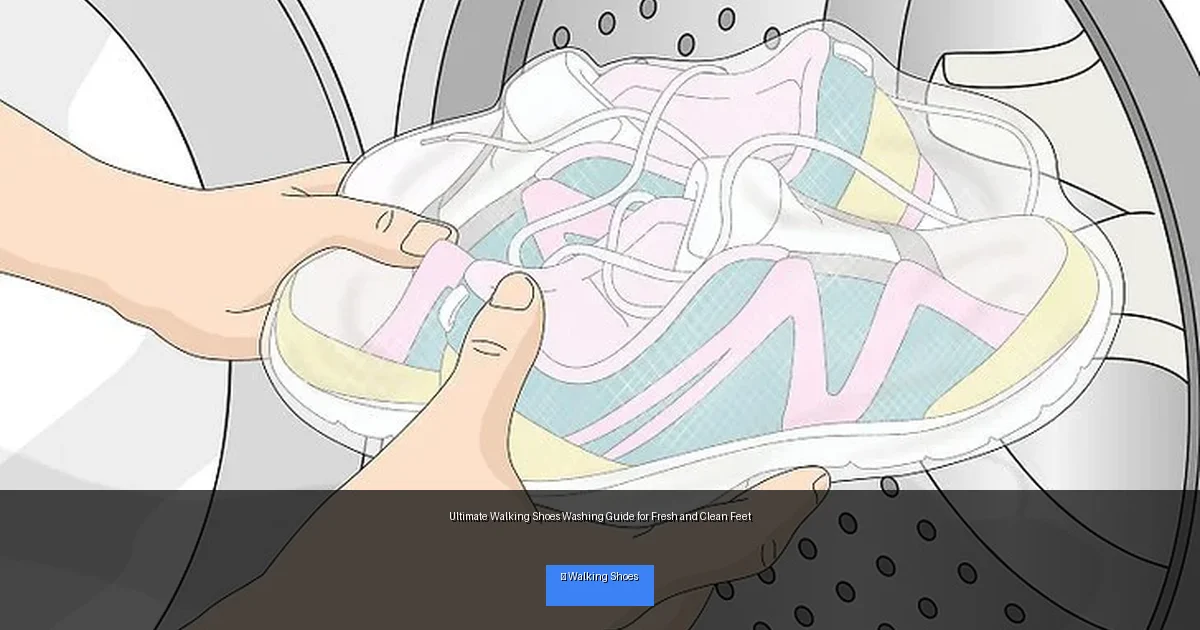
Remove laces and insoles. Place shoes inside a mesh laundry bag to protect them during the wash.
Select Proper Wash Settings
Use cold water and a gentle cycle. Add mild detergent, and avoid bleach or fabric softeners.
Drying After Machine Wash
Never put walking shoes in the dryer. Remove shoes promptly and air dry them at room temperature.
Step 6: Drying Your Walking Shoes
Remove Excess Water
Pat your shoes with a towel to soak up excess moisture.
Stuff with Paper Towels or Newspapers
Fill the shoes with crumpled paper to help them keep their shape and absorb moisture.
Air Dry at Room Temperature
Place shoes in a well-ventilated area away from direct sunlight or heat sources. This prevents warping or shrinking.
Dry Laces and Insoles Separately
Lay laces and insoles flat to dry completely before reinserting.
Step 7: Preventing Odors and Maintaining Freshness
Use Baking Soda
Sprinkle baking soda inside dry shoes to neutralize odors. Shake out before wearing.
Wear Socks Made of Breathable Material
Use moisture-wicking socks to reduce sweat buildup inside your shoes.
Rotate Your Shoes
Alternate between pairs to allow shoes to dry fully between uses.
Troubleshooting Common Issues
Persistent Odors
If odors remain after washing, try using odor-fighting sprays or placing activated charcoal sachets inside your shoes overnight.
Stubborn Stains
Use a paste made from baking soda and water applied gently with a brush. Let it sit for 30 minutes before rinsing.
Shoe Material Damage
If your shoes show discoloration or stiffness, reduce washing frequency and switch to spot-cleaning methods.
Expert Tips for Walking Shoes Care
- Clean your shoes regularly after every few walks to prevent buildup.
- Use waterproof sprays to protect shoes from water and stains.
- Store shoes in a cool, dry place away from direct sunlight.
- Replace worn-out insoles to maintain comfort and hygiene.
Conclusion
Washing your walking shoes properly keeps them looking good and feeling comfortable for every step you take. Follow this guide to clean your shoes safely and effectively, extending their life while ensuring fresh, clean feet. Regular care not only preserves your shoes but also promotes foot health and hygiene. Now, lace up your fresh walking shoes and enjoy your walks with confidence!