Top Walking Shoes Care Tips to Keep Your Footwear Fresh and Durable
Walking shoes care is essential to keep your footwear comfortable and long-lasting. This guide covers practical tips on cleaning, drying, and storing your shoes to maintain their freshness and durability for every step you take.
Key Takeaways
- Regular Cleaning: Remove dirt and debris promptly to prevent damage and odors.
- Proper Drying: Avoid direct heat; use natural air drying to maintain shoe shape and materials.
- Use Suitable Cleaning Products: Choose mild soaps and soft brushes to protect shoe fabric and structure.
- Rotate Your Shoes: Give your walking shoes time to rest and dry between uses to extend their lifespan.
- Store Correctly: Keep shoes in a cool, dry place away from direct sunlight to avoid material deterioration.
- Address Odors: Use baking soda or specialized deodorizing products to keep shoes smelling fresh.
- Timely Replacement: Recognize wear signs to replace shoes before they harm your feet or walking experience.
Top Walking Shoes Care Tips to Keep Your Footwear Fresh and Durable
Walking shoes are more than just footwear; they are your daily companions on every walk, jog, or casual outing. Taking care of them properly ensures they stay comfortable, look good, and last longer. In this guide, you’ll learn simple yet effective walking shoes care tips to keep your shoes fresh, clean, and durable. Whether you are a casual walker or a serious enthusiast, these steps will help you protect your investment and maintain foot health.
Why Proper Walking Shoes Care Matters
Walking shoes are designed with specific materials and construction to support your feet and absorb impact. Dirt, sweat, moisture, and neglect can cause damage, odor, and wear over time. Proper care helps preserve cushioning, support, and keeps bacteria and fungi at bay. This, in turn, prevents discomfort and potential foot problems.
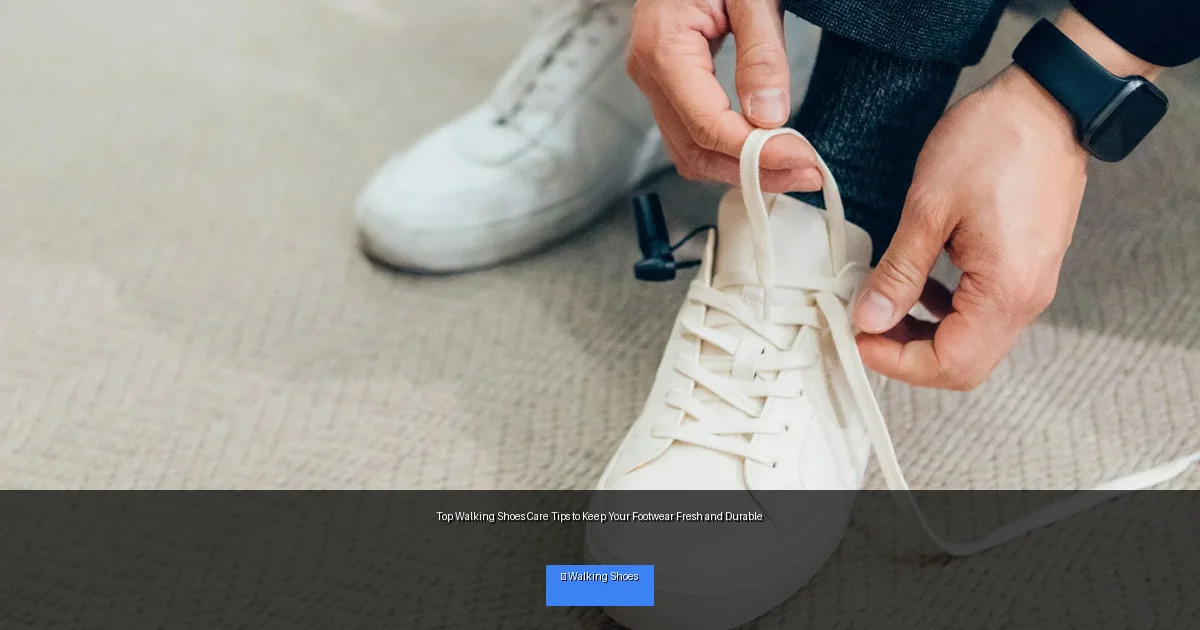
Visual guide about Top Walking Shoes Care Tips to Keep Your Footwear Fresh and Durable
Image source: ohpairpk.com
Step 1: Clean Your Walking Shoes Regularly
Remove Loose Dirt and Debris
After each walk, gently brush off mud, dust, and debris using a soft-bristled brush or a dry cloth. This prevents dirt from settling into the fabric or seams.
Spot Clean Stains and Marks
For minor stains, use a damp cloth with mild soap or a specialized shoe cleaner. Avoid harsh chemicals that can damage the shoe’s material. Gently rub the stained area, then wipe clean with water.
Deep Cleaning for Heavily Soiled Shoes
If your shoes are very dirty, remove the laces and insoles first. Hand wash the shoes with lukewarm water and mild detergent using a soft brush. Rinse thoroughly but avoid soaking the shoes entirely. Use a towel to blot excess water.
Step 2: Dry Your Walking Shoes Properly
Air Drying Is Best
Always let your walking shoes dry naturally at room temperature. Stuff them with newspaper or paper towels to absorb moisture and maintain their shape. Avoid direct sunlight or heat sources like radiators, which can warp materials.
Remove Insoles and Laces
Taking out insoles and laces helps accelerate drying and prevents odor buildup. Wash laces separately if needed.
Step 3: Manage Odors and Freshness
Use Baking Soda
Sprinkle a small amount of baking soda inside your shoes overnight to absorb moisture and neutralize odors. Shake out the residue before wearing.
Try Shoe Deodorizers
Specialized sprays or inserts can keep your walking shoes smelling fresh. Choose products suitable for your shoe type.
Wear Moisture-Wicking Socks
Good socks reduce sweat accumulation, which helps prevent odor and bacteria growth inside your shoes.
Step 4: Rotate Your Walking Shoes
Using the same pair of walking shoes every day can lead to faster wear and excess moisture buildup. Rotate between two or more pairs to allow shoes to dry fully and maintain cushioning.
Step 5: Store Your Shoes Correctly
Choose a Cool, Dry Spot
Store shoes away from direct sunlight and moisture. A well-ventilated closet or shelf is ideal.
Use Shoe Trees or Stuffing
Shoe trees help retain shape. Alternatively, stuff shoes with paper when storing for long periods.
Step 6: Inspect and Maintain Shoe Components
Check the Soles
Look for worn-out treads or cracks. Replace shoes if traction is compromised to avoid slips and injuries.
Examine Stitching and Seams
Repair minor damage early to prevent it from worsening. Use fabric glue or take shoes to a cobbler if needed.
Replace Insoles When Needed
Insoles wear out faster than the shoe’s exterior. Replace them periodically to keep cushioning effective.
Troubleshooting Common Walking Shoes Issues
My Shoes Smell Bad Even After Cleaning. What Should I Do?
Try deeper odor control methods like soaking insoles in a vinegar-water solution or using activated charcoal inserts. Ensure shoes dry completely after each use.
My Shoes Are Losing Shape. How Can I Fix This?
Use shoe trees or stuff shoes with paper when not in use. Avoid drying shoes with heat, as it damages shape and materials.
The Soles Are Worn Out but Upper Looks Fine. Should I Replace the Shoes?
Yes, sole wear affects support and safety. Continuing to use worn soles can lead to discomfort or injury.
Conclusion
Proper walking shoes care is simple but makes a big difference. By cleaning regularly, drying properly, managing odors, rotating your shoes, and inspecting them often, you can keep your footwear fresh and durable. This care routine protects your feet and ensures every step is comfortable and safe. Start applying these tips today and enjoy your walking shoes for many miles to come!