Ultimate Walking Shoes Sizing Guide for Perfect Fit Every Time
Finding the right size for walking shoes is key to comfort and performance. This Ultimate Walking Shoes Sizing Guide teaches you how to measure your feet accurately, understand sizing charts, and pick the perfect shoe fit to keep you moving without pain or blisters.
Key Takeaways
- Measure your feet correctly: Use a ruler or measuring tape to get accurate length and width.
- Consider shoe sizing variations: Different brands may have slightly different size standards.
- Try shoes at the right time: Feet swell during the day, so measure and try shoes later in the afternoon.
- Account for socks and orthotics: Wear typical walking socks when measuring and trying on shoes.
- Check for proper fit: Ensure there is about a thumb’s width space at the toe and no pinching anywhere.
- Break in your shoes gradually: Start with short walks to avoid discomfort as shoes mold to your feet.
- Know when to replace walking shoes: Worn-out shoes can cause pain and injuries.
Ultimate Walking Shoes Sizing Guide for Perfect Fit Every Time
Choosing the right walking shoes is more than just picking a size from a box. If your shoes don’t fit well, you risk blisters, foot pain, and discomfort that can ruin your walking experience. In this guide, you’ll learn how to measure your feet accurately, understand the nuances of shoe sizing, and select walking shoes that fit perfectly every single time.
Why Proper Sizing for Walking Shoes Matters
Walking shoes need to provide comfort, support, and protection. Ill-fitting shoes can lead to foot fatigue, calluses, blisters, and even injuries. Because your feet can swell during the day, and because shoe sizes vary by brand and style, it’s important to get it right. This guide will help you avoid common mistakes and find the best fit.
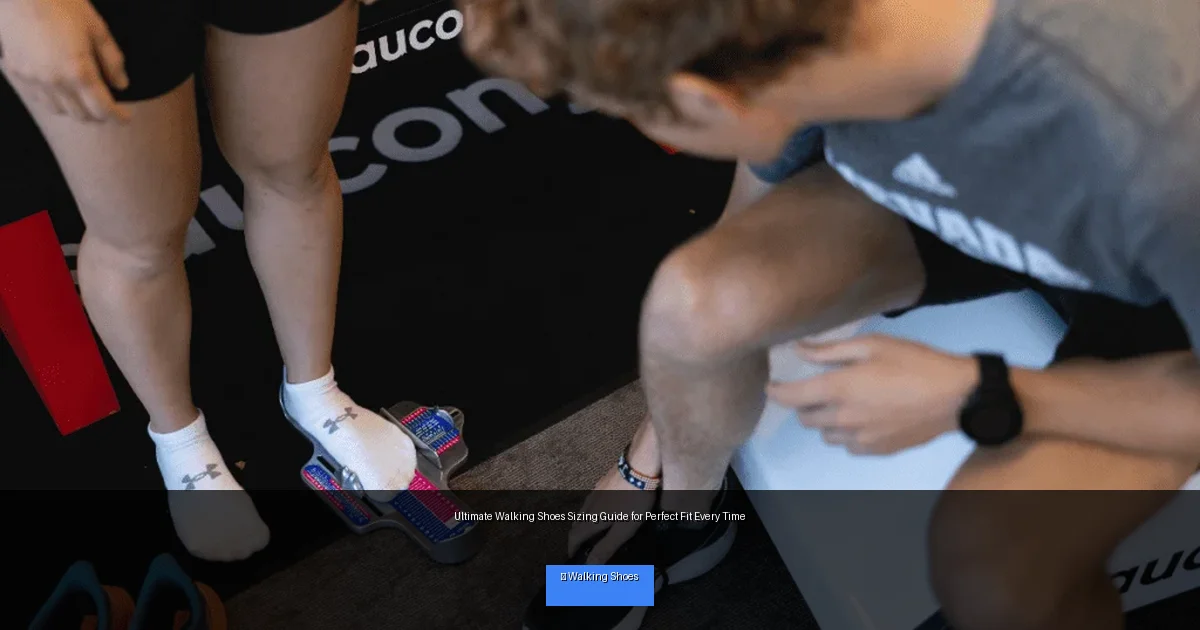
Visual guide about Ultimate Walking Shoes Sizing Guide for Perfect Fit Every Time
Image source: renorunningcompany.com
Step 1: Measure Your Feet Correctly
What You’ll Need
- A ruler or measuring tape (preferably a foot measuring device if available)
- A piece of paper larger than your foot
- A pencil or pen
- Walking socks you normally wear
How to Measure
- Prepare your foot: Put on the walking socks you typically wear.
- Trace your foot: Place the paper on a hard, flat surface. Stand firmly on the paper with your full weight. Trace around your foot carefully without angling the pen inward.
- Measure the length: Using the ruler, measure from the back of your heel to the tip of your longest toe. This is your foot length.
- Measure the width: Find the widest part of your foot (usually the ball) and measure across.
- Repeat for both feet: One foot is often larger. Use the larger measurement for sizing.
Practical Tip
Measure your feet in the afternoon or evening when they are slightly swollen for the most accurate size.
Step 2: Understand Walking Shoe Size Charts
Shoe sizes vary between brands and even models. After measuring your foot, consult the specific brand’s sizing chart. Most brands provide length in inches or centimeters and sometimes width options (narrow, medium, wide). Don’t rely solely on your usual shoe size number.
How to Use Size Charts
- Find the brand’s official website and locate their size chart.
- Match your foot length and width to the chart.
- Choose the size that corresponds best to your measurements.
Example
If your foot length is 10.5 inches and your width is medium, check which size that corresponds to in the chart. For example, it might be a size 9.5 or 10 depending on the brand.
Step 3: Try Walking Shoes On Properly
Best Time to Try Shoes
Try on shoes when your feet are at their largest—usually late afternoon or after a walk.
Wear the Right Socks
Use the socks you plan to wear with your walking shoes to get a true fit.
Check Key Fit Areas
- Toe box: There should be about a thumb’s width (around half an inch) of space between your longest toe and the shoe end.
- Width: The shoe should feel snug but not tight. No pinching or pressure points.
- Heel: Your heel should fit comfortably without slipping out when you walk.
- Arch support: Feel if the shoe supports your arch type well.
Walk Around
Take at least 10 minutes walking inside the store or at home to check for comfort. Shoes should feel supportive and stable without tightness or rubbing.
Step 4: Consider Special Fit Factors
Width Options
Many walking shoes come in narrow, medium, wide, and extra-wide. If you have wide feet, don’t force a medium shoe—it will cause discomfort.
Orthotic Inserts
If you use custom orthotics, bring them along when trying shoes. Make sure there is enough room to accommodate your inserts without making the shoe too tight.
Foot Problems
Conditions like bunions or flat feet may require specialized shoes or sizes. Look for shoes with stretchable uppers and good support.
Step 5: Break in Your New Walking Shoes
Even properly sized shoes need some breaking in. Start by wearing them for short walks around the house or neighborhood. Gradually increase duration to allow your feet and shoes to adjust.
Tips for Breaking In
- Wear your shoes indoors for 1-2 hours initially.
- Use blister prevention products like moleskin if you feel rubbing.
- Stretch the uppers gently if they feel too tight.
Troubleshooting Common Sizing Issues
Shoes Feel Too Tight
Try a half size larger or a wider width. Also, consider different lacing techniques to relieve pressure.
Shoes Slip at the Heel
Check if the shoe is too big or if the heel counter is firm enough. Adding heel grips can help.
Numbness or Tingling
Could indicate tightness or poor circulation. Try a bigger size or shoes with a roomier toe box.
Blisters or Hot Spots
Make sure socks fit well and consider anti-friction balms. If persistent, a different shoe shape might be necessary.
When to Replace Walking Shoes
Walking shoes typically last 300-500 miles. Signs you need a new pair include worn-out soles, reduced cushioning, or foot pain after walks.
Conclusion
Finding the right walking shoes size is a simple but crucial step for enjoyable, pain-free walks. By measuring correctly, understanding sizing charts, trying shoes on properly, and breaking them in gradually, you can ensure a perfect fit every time. Remember, your feet deserve the best care, and well-fitting shoes are the foundation of healthy walking.