Walking Shoes Flexibility Guide How to Choose the Best Pair
Walking shoes flexibility is key to comfort and injury prevention during your walks. This guide will help you understand how to assess shoe flexibility and choose the best pair that matches your walking style and foot needs.
Key Takeaways
- Flexibility affects comfort: Shoes that bend naturally with your foot reduce fatigue.
- Know your foot type: Different foot arches and shapes require different shoe flexibility levels.
- Test shoe bend points: The shoe should flex at the ball of the foot, not the middle.
- Material matters: Soft, breathable materials often offer better flexibility.
- Consider your walking style: Heel strikers and forefoot walkers need different flexibility features.
- Try before you buy: Walk around in shoes to check flexibility and comfort in real conditions.
- Replace worn shoes: Old shoes lose flexibility and support, increasing injury risk.
Walking Shoes Flexibility Guide: How to Choose the Best Pair
Walking is a simple and healthy activity, but the right shoes make all the difference. One of the most important features for walking shoes is flexibility. Shoes that flex correctly help your feet move naturally, reduce strain, and keep you comfortable. In this guide, you will learn how to evaluate walking shoe flexibility and choose the best pair for your needs.
Why Flexibility Matters in Walking Shoes
When you walk, your feet go through a series of movements—landing on the heel, rolling through the midfoot, and pushing off with the toes. Flexible shoes allow your foot to move in this natural way. Shoes that are too stiff can cause discomfort and even lead to injuries like plantar fasciitis or joint pain. On the other hand, shoes that are too flexible may lack support, causing instability.
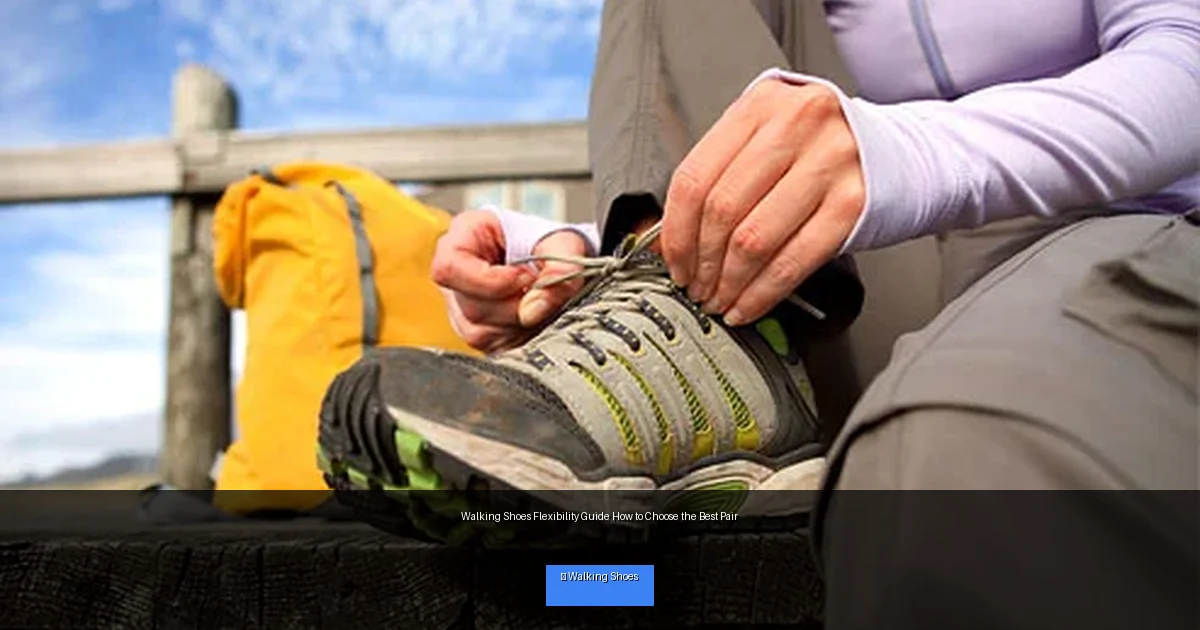
Visual guide about Walking Shoes Flexibility Guide How to Choose the Best Pair
Image source: bushwalkingco.com
Step 1: Understand Your Foot Type
Identify Your Arch Type
Your arch type influences how your foot moves and what kind of flexibility you need in a shoe. There are three basic arch types:
- Low Arch (Flat Feet): Your foot tends to roll inward (overpronation). You need shoes with moderate flexibility and good arch support to prevent strain.
- Normal Arch: Balanced foot movement. Shoes with good flexibility and cushioning work well.
- High Arch: Your foot doesn’t absorb shock well (underpronation). Flexible shoes with extra cushioning help absorb impact.
How to Check Your Arch at Home
Wet your foot and step on a piece of paper. Look at the print:
- Full footprint = low arch
- Moderate print with curve = normal arch
- Thin print with a big curve = high arch
Step 2: Learn How to Test Shoe Flexibility
Bend the Shoe
Hold the shoe at the heel and toe. Try bending it with your hands. A good walking shoe should bend easily at the ball of your foot, not in the middle.
Twist the Shoe
Gently twist the shoe from the heel to the toe. It should have some give but not too much looseness that feels unstable.
Check the Sole
Look at the sole design. Deep flex grooves usually mean more flexibility. Thin soles tend to be more flexible but may offer less protection.
Step 3: Consider the Shoe Materials
Upper Material
Look for mesh or knit uppers. These materials stretch and flex with your foot while keeping it cool.
Midsole and Outsole
Soft EVA foam midsoles offer flexibility and cushioning. Rubber outsoles provide durability but check for flex grooves to maintain flexibility.
Step 4: Match Flexibility to Your Walking Style
Heel Strikers
If you land on your heel first, you want shoes with a flexible forefoot and cushioned heel to absorb impact.
Midfoot or Forefoot Strikers
If you land more on the middle or front of your foot, choose shoes with flexible soles that allow smooth toe-off.
Step 5: Try Walking in the Shoes
Test Indoors
Walk around the store or your home. Do the shoes bend naturally with your feet? Are they comfortable?
Test Outdoors
If possible, take a short walk on different surfaces like pavement or trails. Check if the shoe maintains flexibility and support.
Step 6: Look for Additional Features
- Arch Support: Helps maintain foot alignment and can work with shoe flexibility.
- Heel Counter: A firm heel counter stabilizes your foot without restricting flexibility.
- Toe Box: A roomy toe box allows natural toe splay and better flexibility.
Step 7: Know When to Replace Your Walking Shoes
Walking shoes lose flexibility and cushioning over time. Signs you need new shoes include:
- Shoes feel stiff and don’t bend like before.
- You feel foot or joint pain after walking.
- The sole is worn unevenly or cracked.
Replacing shoes every 300-500 miles is a good rule of thumb.
Troubleshooting Common Issues
Shoes Too Stiff?
Try bending them gently with your hands before wearing. If still uncomfortable, consider a more flexible model.
Shoes Too Flexible?
If your feet feel unstable, look for shoes with better arch support or a firmer midsole.
Discomfort After Long Walks?
Check if the shoes flex at the right spot and offer enough cushioning. Consider custom insoles for additional support.
Conclusion
Choosing walking shoes with the right flexibility is essential for comfort, foot health, and enjoying your walks. By understanding your foot type, testing shoe flexibility, and matching your walking style, you can find the perfect pair. Remember to try shoes on and walk in them before buying. Keep an eye on shoe wear and replace them when needed to keep your feet happy. Follow this guide and step into your best walking experience!