Should Hiking Shoes Be Larger for Comfort and Better Performance
Choosing the right size for hiking shoes is crucial for comfort and better performance on the trails. This guide explores whether hiking shoes should be larger, how to find the perfect fit, and practical tips to avoid common sizing mistakes.
Key Takeaways
- Proper fit is essential: Hiking shoes that fit well prevent blisters and discomfort on long hikes.
- Slightly larger size often helps: A bit of extra space allows for foot swelling and thick socks.
- Not too big: Oversized shoes can cause instability and blisters.
- Try shoes with hiking socks: Always test shoes with the socks you plan to wear on the trail.
- Consider foot shape: Width and arch support matter as much as length.
- Break-in period matters: New hiking shoes may need time to mold to your feet.
- Use insoles if needed: Custom insoles can improve fit and comfort.
Should Hiking Shoes Be Larger for Comfort and Better Performance?
When it comes to hiking, the right footwear can make or break your experience. One common question is whether hiking shoes should be larger than your normal shoe size to improve comfort and performance. In this guide, you’ll learn why fit matters, how to determine the right size, and tips to avoid foot pain on the trail. By the end, you’ll be ready to pick hiking shoes that keep you comfortable and steady on any terrain.
Step 1: Understand Why Hiking Shoe Fit Is Important
Hiking shoes protect your feet from rough terrain and support your body during long walks. A good fit prevents blisters, soreness, and injuries. Unlike casual shoes, hiking shoes need to handle swelling, uneven surfaces, and heavy socks.
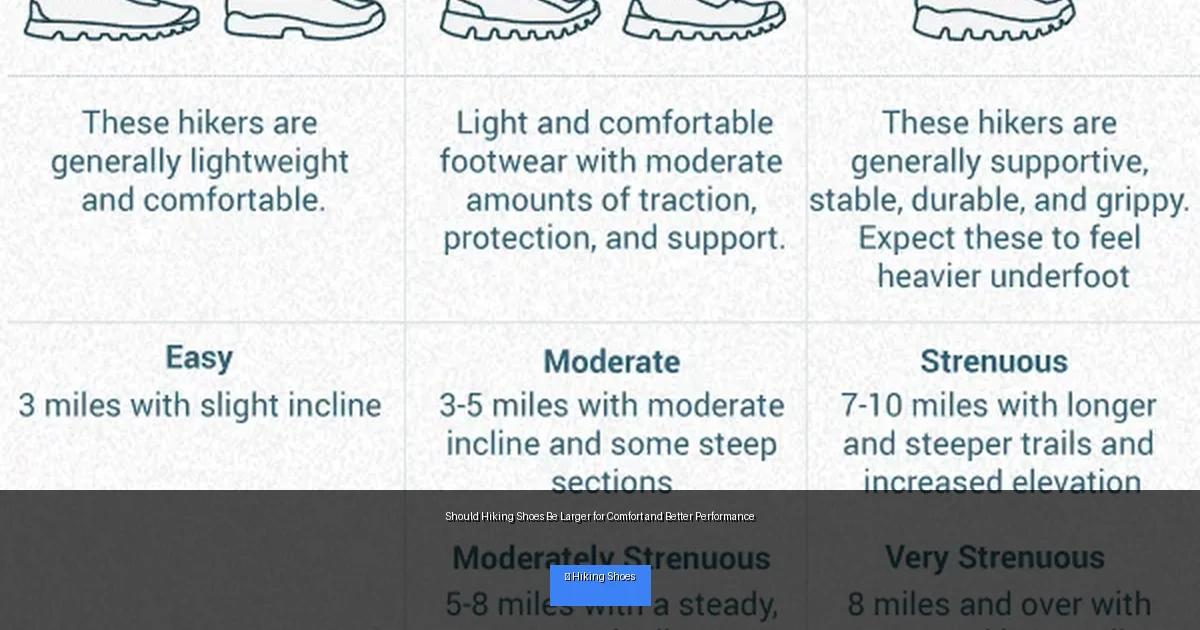
Visual guide about Should Hiking Shoes Be Larger for Comfort and Better Performance
Image source: cdn.runrepeat.com
Why Feet Swell on Hikes
When you hike, your feet can swell up to a half size larger. This happens due to increased blood flow and impact. Wearing shoes that are too tight can cause pain and blisters.
Balance Between Size and Support
While a slightly larger shoe allows for swelling and thick socks, too much extra space can cause your feet to slide. This leads to instability and rubbing that causes blisters.
Step 2: How to Measure Your Foot for Hiking Shoes
Before choosing a size, measure your feet accurately. This helps determine if you need a larger size for hiking.
Materials Needed
- Paper
- Pen or pencil
- Ruler or measuring tape
Measuring Your Foot Length
- Place the paper on a hard floor.
- Stand on it with your full weight.
- Trace the outline of your foot.
- Measure from the heel to the longest toe.
Measure Width
Measure the widest part of your foot. Hiking shoes come in different widths, so this matters for comfort.
Step 3: Decide If You Should Size Up
Most hikers find that choosing a hiking shoe a half to a full size larger than their street shoe works best. Here’s why:
Extra Room for Swelling
Shoes that are too tight cause pressure and blisters. A bit of extra space lets your feet swell comfortably during long hikes.
Room for Thick Hiking Socks
Hiking socks are thicker and cushion your feet. A larger shoe accommodates these without squeezing.
Prevent Toe Injuries
When hiking downhill, your feet slide forward. Extra length prevents your toes from hitting the shoe front hard.
Step 4: Try Hiking Shoes Properly
Testing shoes is key to finding the right fit. Follow these tips for the best results.
Wear Hiking Socks
Always try shoes with the socks you plan to wear on the trail. This ensures accurate sizing.
Test Both Shoes
Feet are often different sizes. Try both shoes and choose the size fitting your larger foot.
Walk on Different Surfaces
Walk around the store or your home on hard and soft floors to see how the shoes feel.
Check Toe Room
You should have about a thumb’s width of space between your longest toe and the shoe’s front.
Heel Fit
Your heel should fit snugly without slipping when you walk.
Step 5: Break in Your Hiking Shoes
New hiking shoes often feel stiff. Breaking them in makes them more comfortable.
Wear Them at Home
Start by wearing your shoes indoors for short periods.
Take Short Hikes
Gradually increase hike length to let shoes mold to your feet.
Use Shoe Stretchers If Needed
If shoes feel tight in some spots, shoe stretchers or professional stretching can help.
Troubleshooting Common Issues
Shoes Feel Too Tight Even in Larger Size
Try different brands or widths. Some hiking shoes have wider models for different foot shapes.
Feet Slip Inside the Shoes
Use thicker socks or custom insoles to improve fit and reduce slipping.
Blisters Appear Despite Correct Size
Apply blister prevention tape or use anti-friction creams. Also, check if your lacing technique is causing pressure points.
Conclusion: Finding the Perfect Hiking Shoe Size
So, should hiking shoes be larger? Generally, yes—a slightly larger size helps accommodate swelling, thick socks, and downhill movement. But don’t go too big, or you risk instability and blisters. Measure your feet carefully, try shoes with hiking socks, and give them time to break in. With the right fit, your hiking shoes will keep you comfortable and performing well on every trail.