Choosing between hiking boots vs trail shoes can be tricky. This guide breaks down their differences, benefits, and ideal uses to help you pick the perfect footwear for your hiking needs. Whether you want durability or lightweight comfort, you’ll learn which option suits you best.
Key Takeaways
- Hiking boots offer superior ankle support: Ideal for rough terrains and heavy loads.
- Trail shoes are lighter and more breathable: Great for speed and shorter hikes.
- Water resistance varies: Boots often come waterproof, while many trail shoes prioritize drainage.
- Durability and protection: Boots generally last longer and protect better against rocks and roots.
- Comfort and flexibility: Trail shoes allow more natural foot movement and quicker drying.
- Terrain matters: Choose boots for rugged, uneven trails and trail shoes for well-maintained paths.
- Personal preference counts: Fit, weight, and hiking style should guide your choice.
Introduction
If you love spending time outdoors, you know that the right footwear can make or break your hiking experience. When deciding on hiking boots vs trail shoes, many hikers wonder which one will offer the best support, comfort, and protection. This guide will help you understand the key differences between hiking boots and trail shoes, how to choose the right pair for your adventures, and tips to get the most out of your footwear.
Step 1: Understand the Basics of Hiking Boots and Trail Shoes
What Are Hiking Boots?
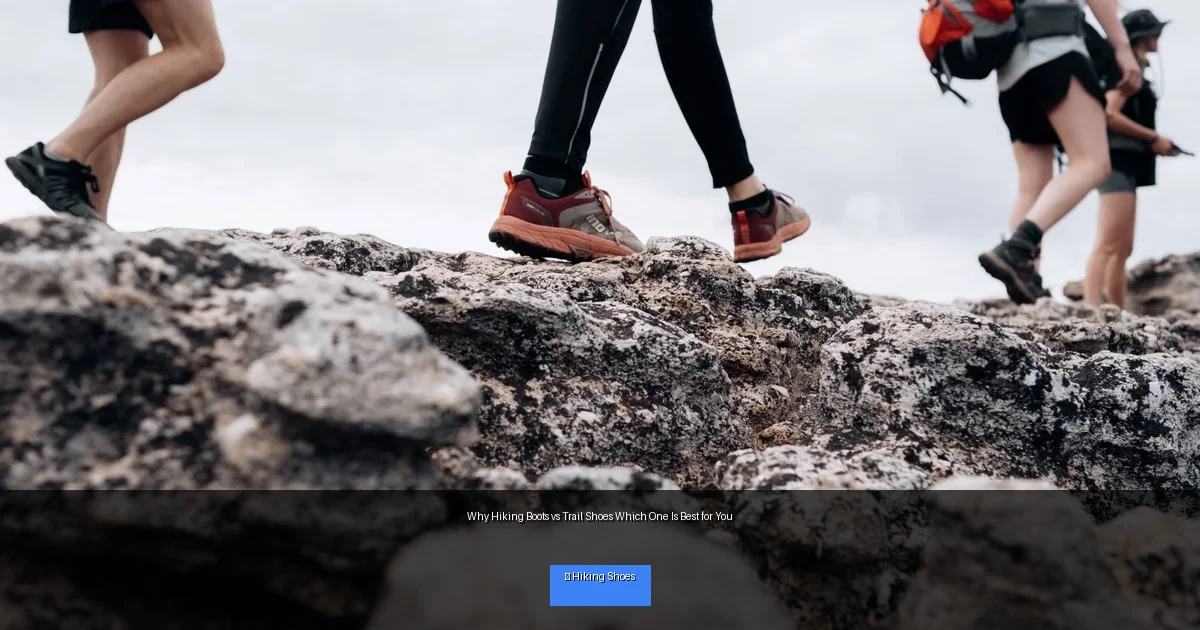
Hiking boots are sturdy shoes designed to protect your feet and ankles on rough, uneven terrain. They typically feature high-cut uppers that provide ankle support, thick soles with aggressive tread for grip, and durable materials that resist abrasion and water. Hiking boots are often heavier but built to last and shield your feet from sharp objects and harsh weather.
Visual guide about Why Hiking Boots vs Trail Shoes Which One Is Best for You
Image source: hellotrail.com
What Are Trail Shoes?
Trail shoes resemble running shoes but have enhanced grip and durability for off-road use. They are low-cut, lightweight, and made with breathable materials. Trail shoes prioritize comfort and flexibility, allowing your feet to move naturally. They are great for faster hikes on well-maintained trails or for those who prefer a lighter feel.
Step 2: Compare Key Features
Support and Stability
Hiking boots provide excellent ankle support, which helps prevent sprains when walking on uneven ground. The stiffer sole and higher cut keep your feet stable, especially when carrying a heavy backpack. Trail shoes offer less ankle coverage and are more flexible, so they suit hikers who want agility over maximum support.
Weight and Breathability
Trail shoes are usually lighter and made with breathable mesh to keep your feet cool. This makes them ideal for warm weather and faster hikes. Hiking boots tend to be heavier and less breathable because of their thick leather or synthetic materials, which can cause your feet to sweat more.
Water Resistance
Many hiking boots come with waterproof membranes like Gore-Tex, keeping your feet dry in wet conditions. Trail shoes often focus on quick drying and drainage rather than full waterproofing, so they perform better in muddy but not necessarily wet environments.
Durability and Protection
Hiking boots are built to withstand tough environments and protect your feet from rocks, roots, and debris. Trail shoes are durable but designed more for comfort, so they may wear out faster on harsh terrain.
Step 3: Match Footwear to Your Hiking Needs
Consider Trail Type
If you often hike on rocky, uneven trails or carry a heavy pack, hiking boots are the safer choice. For well-groomed trails and shorter hikes, trail shoes provide enough protection and allow for faster movement.
Think About Weather Conditions
Wet, cold, or snowy conditions call for waterproof hiking boots to keep your feet dry and warm. In dry, hot climates, trail shoes help keep your feet cool and comfortable.
Assess Your Hiking Style
Backpackers and long-distance hikers benefit from the support and durability of boots. Day hikers or trail runners may prefer the agility and lightness of trail shoes.
Step 4: Try On and Test Your Footwear
Get the Right Fit
Always try on hiking boots and trail shoes with the socks you plan to wear. Walk around the store or your home to test comfort and fit. Ensure there is enough room for your toes and that your heel doesn’t slip.
Break Them In
Wear your new boots or shoes on short walks before hitting the trail. This helps prevent blisters and lets you know if adjustments are needed.
Step 5: Maintain Your Hiking Footwear
Cleaning
Remove dirt and debris after every hike. Use a soft brush and mild soap if needed, and let your footwear air dry away from direct heat.
Waterproofing
For boots, regularly apply waterproof treatments to keep them effective. Trail shoes may require less waterproofing but can benefit from occasional sprays.
Troubleshooting Common Issues
Blisters and Discomfort
If you get blisters, make sure your shoes fit properly and adjust your lacing for better pressure distribution. Use hiking socks with cushioning and moisture-wicking properties.
Slipping and Poor Traction
If you slip frequently, check the sole condition. Replace worn-out shoes or boots and choose models with aggressive tread patterns for better grip.
Wet Feet
If your feet get wet regularly, consider waterproof boots or shoes with better water resistance. Also, use gaiters to keep water and debris out.
Conclusion
Choosing between hiking boots vs trail shoes ultimately depends on where you hike, how you hike, and your personal preferences. Hiking boots offer unmatched support, protection, and durability for tough conditions, while trail shoes provide lightweight comfort and breathability for easier trails and faster movement. By understanding these differences and considering your needs, you can select the perfect footwear to enhance your hiking experience and keep your feet happy on every adventure.