Finding the right hiking shoes is key to enjoying every trail with comfort and durability. This guide helps you understand what features to look for, how to pick the best fit, and tips to keep your shoes in top shape for any adventure.
Key Takeaways
- Comfort is essential: Proper cushioning and fit prevent blisters and foot fatigue.
- Durability matters: Look for tough materials and solid construction to last through rough trails.
- Shoe type depends on terrain: Choose lightweight shoes for easy trails and sturdy boots for rugged conditions.
- Proper fit is crucial: Always try shoes on with hiking socks and test walking on different surfaces.
- Waterproofing is a bonus: It keeps feet dry but may reduce breathability, so choose based on conditions.
- Break-in period: Allow time to adjust your shoes before long hikes to avoid discomfort.
- Maintenance extends life: Clean and care for your hiking shoes regularly.
Which Hiking Shoes Are Good for Ultimate Comfort and Durability: A Complete Guide
Choosing the right hiking shoes can transform your outdoor experience. Whether you are a weekend hiker or a serious trekker, finding shoes that combine comfort and durability is vital. In this guide, you’ll learn what makes hiking shoes good, how to select the best pair for your needs, and tips on caring for them to last longer.
Step 1: Understand Your Hiking Needs
Identify the Terrain
Before buying hiking shoes, think about where you’ll hike. Gentle trails need less rugged shoes, while rocky or steep paths require stronger, more protective footwear. For light day hikes, trail runners or low-cut hiking shoes are comfortable and flexible. For mountainous or uneven terrain, consider mid or high-cut hiking boots for better ankle support and protection.
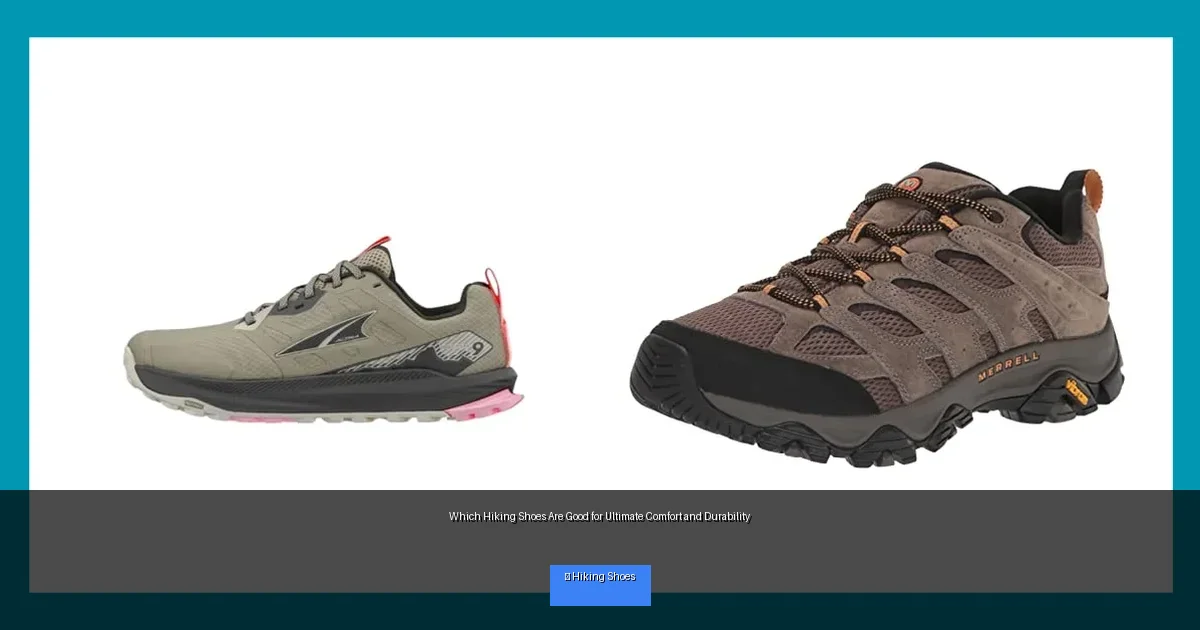
Visual guide about Which Hiking Shoes Are Good for Ultimate Comfort and Durability
Image source: wisepickers.com
Consider the Climate
The weather conditions play a big role. If you hike in wet or muddy areas, waterproof shoes with Gore-Tex or similar membranes keep your feet dry. On dry, hot trails, breathable mesh shoes help keep feet cool and prevent sweating. Balance waterproofing and breathability based on your typical hiking environment.
Step 2: Focus on Comfort Features
Proper Fit
Comfort starts with fit. Shoes should be snug but not tight. There should be enough room to wiggle toes, and no pinching on the sides. Always try shoes on with your hiking socks, and walk around indoors to check for pressure points.
Cushioning and Support
Good hiking shoes have cushioned midsoles to absorb impact. EVA foam and polyurethane are common materials. Also, look for arch support that matches your foot shape. Some brands offer removable insoles so you can customize comfort with orthotics if needed.
Breathability
Breathable shoes prevent overheating and blisters. Mesh panels promote airflow, but may sacrifice waterproofing. If you often hike in warm weather, prioritize breathability to keep feet dry and comfortable.
Step 3: Evaluate Durability Factors
Material Quality
Durable hiking shoes use tough materials like full-grain leather, synthetic leather, or reinforced mesh. Leather is robust but heavier. Synthetic materials are lighter but may wear faster. Look for double stitching and quality adhesives to ensure shoes hold together over time.
Outsole Strength and Grip
The outsole is the part that touches the ground. Rubber soles are standard for durability and grip. Deep lugs on the sole improve traction on slippery or uneven surfaces. Vibram soles are popular for their durability and performance.
Protective Features
Toe caps and heel guards protect your feet from rocks and roots. Reinforced areas also extend shoe life by resisting abrasion.
Step 4: Try Before You Buy
Test Walk
Visit a store and try on multiple pairs. Walk on different surfaces if possible. Pay attention to how the shoe feels during movement and if your heel slips or toes hit the front.
Check Weight
Heavier shoes offer more protection but can tire you out faster. Lightweight shoes usually feel better on long hikes but might not handle tough terrain as well.
Break-In Period
Even the best shoes need time to mold to your feet. Wear them on short walks before going on long hikes. This reduces blisters and discomfort.
Step 5: Maintain Your Hiking Shoes
Cleaning
After each hike, remove dirt and debris. Use a soft brush and mild soap if needed. Avoid harsh detergents that can damage materials.
Drying
Never dry shoes near direct heat. Instead, stuff them with newspaper and let them air dry in a shaded area.
Waterproofing Treatment
Apply waterproof sprays or waxes periodically to restore protection, especially on leather shoes.
Troubleshooting Common Issues
Blisters and Hot Spots
If you get blisters, check if your shoes are too tight or too loose. Adjust lacing or try thicker socks. Use blister pads or tape to protect sensitive areas.
Heel Slipping
Heel slipping can cause discomfort and blisters. Try different lacing techniques like heel lock lacing for a secure fit.
Wet Feet
If your feet get wet, evaluate waterproofing and sock choice. Use moisture-wicking socks and consider shoes with better water resistance.
Conclusion
Choosing hiking shoes that are good for ultimate comfort and durability means understanding your hiking style, terrain, and preferences. Prioritize fit, cushioning, and quality materials. Test shoes thoroughly and maintain them well to enjoy many adventures comfortably. With the right pair, every trail becomes a joy to explore.