Which Hiking Shoes Are the Most Comfortable for Your Adventures
Choosing the most comfortable hiking shoes can make all the difference on your outdoor adventures. This guide walks you through how to pick shoes that fit well, offer great support, and keep your feet happy on every trail, whether you’re a beginner or an experienced hiker.
Key Takeaways
- Proper Fit Is Crucial: Comfort starts with the right size and shape for your foot.
- Consider Your Hiking Terrain: Different shoes suit different trails and conditions.
- Look for Good Support and Cushioning: This helps prevent foot fatigue and injuries.
- Materials Matter: Breathable, waterproof, and durable materials improve comfort and shoe lifespan.
- Try Shoes On With Hiking Socks: To get the most accurate fit and feel.
- Break In Your Shoes: Wear them before big hikes to avoid blisters and discomfort.
- Pay Attention to Arch Support: It can reduce foot pain and improve stability.
Which Hiking Shoes Are the Most Comfortable for Your Adventures
If you love spending time outdoors, you know how important comfortable hiking shoes are. The right shoes keep your feet happy, reduce fatigue, and help you enjoy every step of your adventure. In this guide, you’ll learn how to find the most comfortable hiking shoes, what features to look for, and practical tips to ensure your next hike is pain-free.
Step 1: Understand Your Hiking Needs
Assess Your Hiking Style
First, think about where and how you hike. Are you hitting rugged mountain trails, walking easy forest paths, or trekking long distances? The terrain affects what type of shoe you need. Lightweight trail runners might work for smooth paths, while sturdy boots are better for rocky, uneven ground.
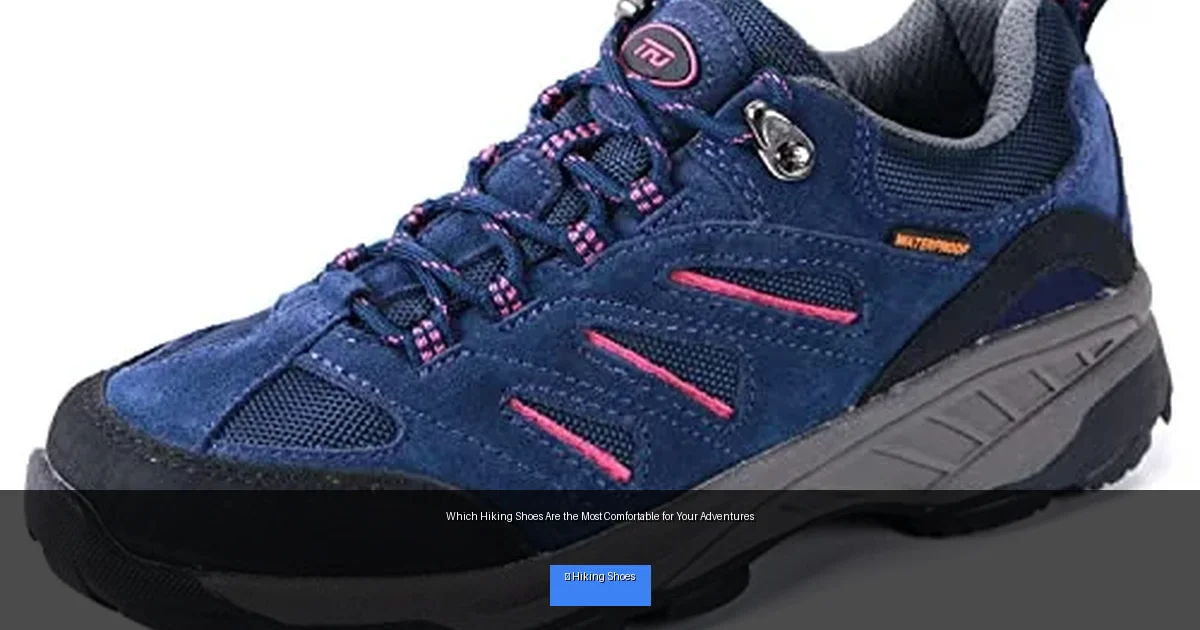
Visual guide about Which Hiking Shoes Are the Most Comfortable for Your Adventures
Image source: m.media-amazon.com
Consider the Climate and Weather
Will you be hiking in wet or dry conditions? Waterproof shoes are great for rainy or snowy weather but can be less breathable in hot climates. Breathable mesh models keep your feet cooler but might let water in.
Step 2: Find the Right Fit
Measure Your Feet Correctly
Measure your feet at the end of the day when they are at their largest. Use a Brannock device or a ruler to check length and width. Remember, hiking shoes need a bit of extra room to accommodate thick socks and foot swelling during hikes.
Try On Shoes With Hiking Socks
Wear the socks you plan to hike in when trying shoes. This helps ensure the fit will be accurate and comfortable.
Check for Proper Toe Space
There should be about a thumb’s width of space between your longest toe and the front of the shoe. This prevents your toes from hitting the shoe interior when going downhill.
Confirm Heel Fit
Your heel should fit snugly without slipping. Heel slip can cause blisters and discomfort over long distances.
Step 3: Look for Essential Comfort Features
Arch Support
Good arch support keeps your feet stable and reduces fatigue. If you have high arches or flat feet, consider shoes with built-in support or use custom insoles.
Cushioning and Midsole
The midsole absorbs shock and adds comfort. EVA foam is common and lightweight, while polyurethane offers more durability and support.
Outsole Traction
Comfort also includes how well your shoes grip the trail. Look for soles with deep lugs and good traction to prevent slipping and strain.
Weight and Breathability
Lighter shoes reduce effort on long hikes, and breathable materials keep your feet dry and comfortable.
Step 4: Choose the Right Materials
Leather Hiking Shoes
Leather shoes are durable and water-resistant but may take longer to break in and are heavier.
Synthetic Shoes
Synthetic materials like nylon and mesh dry quickly and are lighter but may not last as long.
Waterproof Membranes
Look for shoes with Gore-Tex or similar membranes if you need waterproof protection without sacrificing breathability.
Step 5: Try Them Out and Break Them In
Walk Indoors and Outdoors
Before hitting the trail, walk around in your shoes at home and on short walks. Pay attention to any discomfort or pressure points.
Break In Gradually
Wear your shoes on several short hikes to soften materials and mold them to your feet. This reduces the chance of blisters and soreness.
Step 6: Maintain Your Hiking Shoes
Keep Them Clean
Remove mud and dirt after each hike. Use a soft brush and mild soap if needed.
Dry Properly
Air dry shoes away from direct heat to avoid damaging materials. Stuffing them with newspaper helps absorb moisture.
Apply Waterproof Treatments
Reapply waterproof sprays or waxes as needed to keep shoes performing well in wet conditions.
Troubleshooting Common Issues
Blisters and Hot Spots
If you get blisters, try different socks, use blister pads, or adjust lacing to reduce friction. Make sure shoes fit properly — too tight or too loose can cause problems.
Foot Pain or Fatigue
Persistent pain may mean you need better arch support or cushioning. Consider custom insoles or a different shoe model designed for your foot shape.
Slipping or Poor Traction
If your shoes feel slippery, check the outsole for wear. Replacing worn shoes or soles can improve grip. Also, choose shoes with aggressive tread patterns for slippery trails.
Conclusion
Finding the most comfortable hiking shoes is key to enjoying your outdoor adventures. Focus on fit, support, materials, and the type of hiking you do. Take time to try on different pairs and break them in before your big trips. With the right shoes, your feet will thank you with every step, making your hikes safer and more fun. Happy trails!