Should Hiking Shoes Fit Snug for Maximum Comfort and Support
Choosing the right fit for hiking shoes is crucial for comfort and support on the trail. This guide explains why hiking shoes should fit snugly—not too tight or loose—and offers practical tips to help you find the perfect fit for your feet.
Key Takeaways
- Proper fit matters: Hiking shoes should fit snugly to provide stability and prevent blisters.
- Not too tight: Shoes that are too tight can cause discomfort and foot problems.
- Room for toes: A little wiggle room in the toe box helps avoid numbness and injuries.
- Try shoes at the end of the day: Feet swell during hikes, so test shoes when your feet are largest.
- Wear appropriate socks: Use hiking socks when trying on shoes to ensure accurate fit.
- Break them in: Properly breaking in shoes enhances comfort and performance on trails.
- Consider foot shape and terrain: Choose shoes that match your foot type and hiking conditions.
Should Hiking Shoes Fit Snug for Maximum Comfort and Support?
When it comes to hiking shoes, fit is everything. But what does it mean for them to fit snugly? Should your hiking shoes hug your feet tightly, or should there be room to spare? In this guide, you will learn why a snug fit is essential, how to find that perfect balance between comfort and support, and practical tips to make sure your hiking shoes serve you well on every trail.
Why Does the Fit of Hiking Shoes Matter?
Hiking puts a lot of stress on your feet. The right fit helps you avoid blisters, foot fatigue, and injuries. A snug fit keeps your feet stable inside the shoe, which improves your balance and control on rough terrain. On the other hand, shoes that are too loose can cause your feet to slide, leading to friction and discomfort. But tight shoes can pinch, reduce circulation, and cause pain. So, striking the right balance is key.
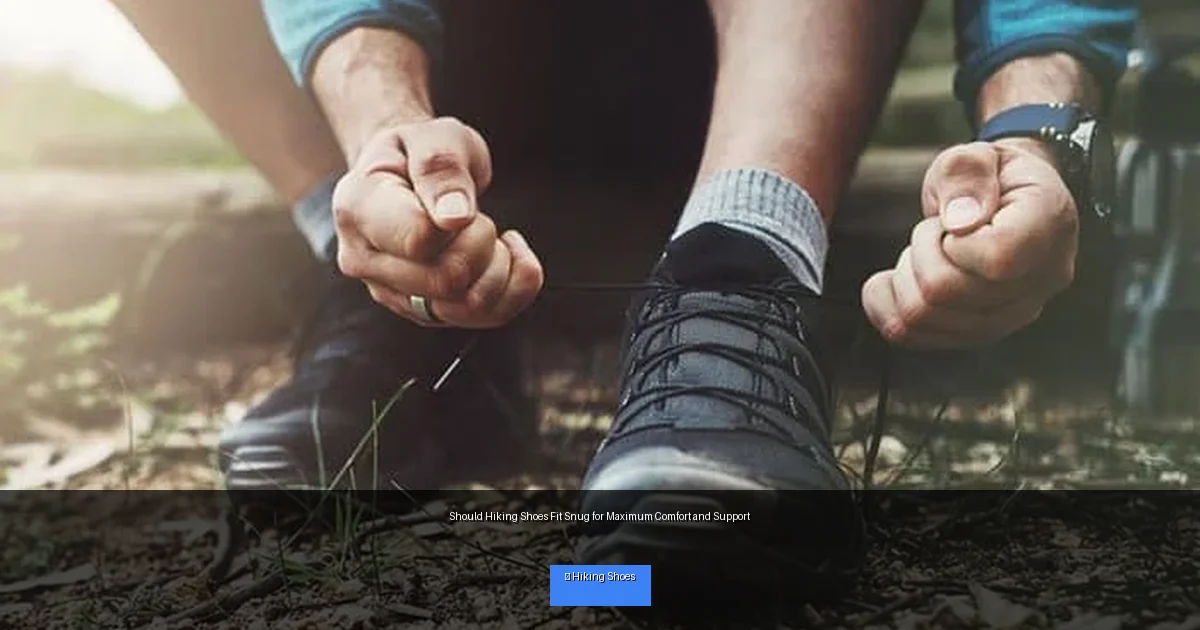
Visual guide about Should Hiking Shoes Fit Snug for Maximum Comfort and Support
Image source: caverntours.com
Step 1: Understand What Snug Fit Means
Snug but Not Tight
A snug fit means the shoe feels close and secure around your foot without squeezing it painfully. Your foot shouldn’t move side to side or up and down inside the shoe, but you also shouldn’t feel pinching or sharp pressure.
Allow Toe Room
Make sure there is enough space in the toe box for your toes to wiggle slightly. Generally, having about a thumb’s width of space between your longest toe and the front of the shoe is ideal. This prevents bruised nails and toe injuries, especially when hiking downhill.
Step 2: Measure Your Feet Properly
Measure at the End of the Day
Your feet swell during the day and after activity. Measure them late in the afternoon or evening to get an accurate size.
Use a Brannock Device or Ruler
Measure both length and width. Many hiking shoes come in different widths, so knowing your foot width helps you find the right shoe.
Measure Both Feet
One foot is often larger than the other. Use the larger foot’s measurement when selecting shoe size.
Step 3: Try Hiking Shoes On Correctly
Wear Hiking Socks
Always try shoes with the socks you plan to wear on the trail, as sock thickness affects fit.
Test Both Shoes
Put on both shoes and walk around the store or your home to check for comfort and fit.
Check Key Fit Areas
- Heel: Should fit snugly without slipping.
- Midfoot: Secure but not too tight.
- Toe box: Enough room to wiggle toes.
Step 4: Break In Your Hiking Shoes
Wear Them Gradually
Start by wearing your new hiking shoes on short walks before hitting the trails. This helps soften materials and molds the shoe to your foot.
Use Foot Powder or Socks to Reduce Friction
Prevent blisters by minimizing moisture and rubbing during break-in.
Step 5: Adjust for Different Terrain and Conditions
Consider Terrain
For rugged or technical trails, a snugger fit provides better control. For easy, flat trails, a slightly looser fit might be more comfortable.
Account for Weather
In cold weather, thicker socks add bulk. Make sure your shoes fit well with the socks you intend to use.
Troubleshooting Common Fit Issues
Heel Slippage
If your heel slips, try tightening laces or using heel grips. If persistent, a different shoe model might be needed.
Numbness or Tingling
This often indicates shoes are too tight or laces are tied too tightly. Loosen and reassess.
Blisters on Toes or Sides
May result from friction due to loose fit or poor socks. Use blister prevention methods and ensure proper fit.
Practical Tips for Choosing the Right Hiking Shoe Fit
- Shop in the afternoon: Feet are largest then.
- Bring your hiking socks: Always try shoes with them.
- Walk on different surfaces: Test shoes on inclines and uneven floors.
- Listen to your feet: Comfort is your best guide.
- Consult experts: Staff at specialized hiking stores offer valuable advice.
Conclusion
In summary, hiking shoes should fit snugly to provide maximum comfort and support, but not so tight that they cause pain or restrict movement. Finding the perfect fit involves understanding your foot size, trying shoes properly, and breaking them in before serious hikes. Remember to allow some room for your toes and consider the type of terrain you will encounter. With the right fit, your hiking shoes will help you enjoy every step of your adventure comfortably and safely.