Should Hiking Shoes Be Waterproof for Your Next Outdoor Adventure
Choosing whether your hiking shoes should be waterproof can make or break your outdoor experience. This guide explores the benefits and drawbacks of waterproof hiking shoes, helping you decide what fits your adventure style best. Stay comfortable and dry with the right footwear choice for your next trail.
Key Takeaways
- Waterproof shoes keep feet dry: Ideal for wet conditions, they prevent water from soaking in.
- Breathability can be limited: Waterproof materials may reduce airflow, causing sweaty feet.
- Consider your hiking environment: Waterproof shoes suit wet, muddy trails but may not be necessary in dry climates.
- Weight and flexibility matter: Waterproof shoes can be heavier and stiffer than non-waterproof options.
- Maintenance extends shoe life: Proper care of waterproof shoes keeps their performance optimal.
- Try before you buy: Fit and comfort are key, regardless of waterproof features.
- Layering with waterproof socks: An alternative for added water protection without heavy shoes.
Should Hiking Shoes Be Waterproof for Your Next Outdoor Adventure?
When planning your next outdoor adventure, one important decision is choosing the right hiking shoes. A common question hikers ask is, should hiking shoes be waterproof? This guide will help you understand what waterproof hiking shoes offer, their advantages and disadvantages, and how to decide if they are right for your hiking needs.
Understanding Waterproof Hiking Shoes
What Does Waterproof Mean?
Waterproof hiking shoes are designed with materials and membranes that block water from entering, keeping your feet dry even in wet conditions. Often, they include membranes like Gore-Tex or similar waterproof liners.
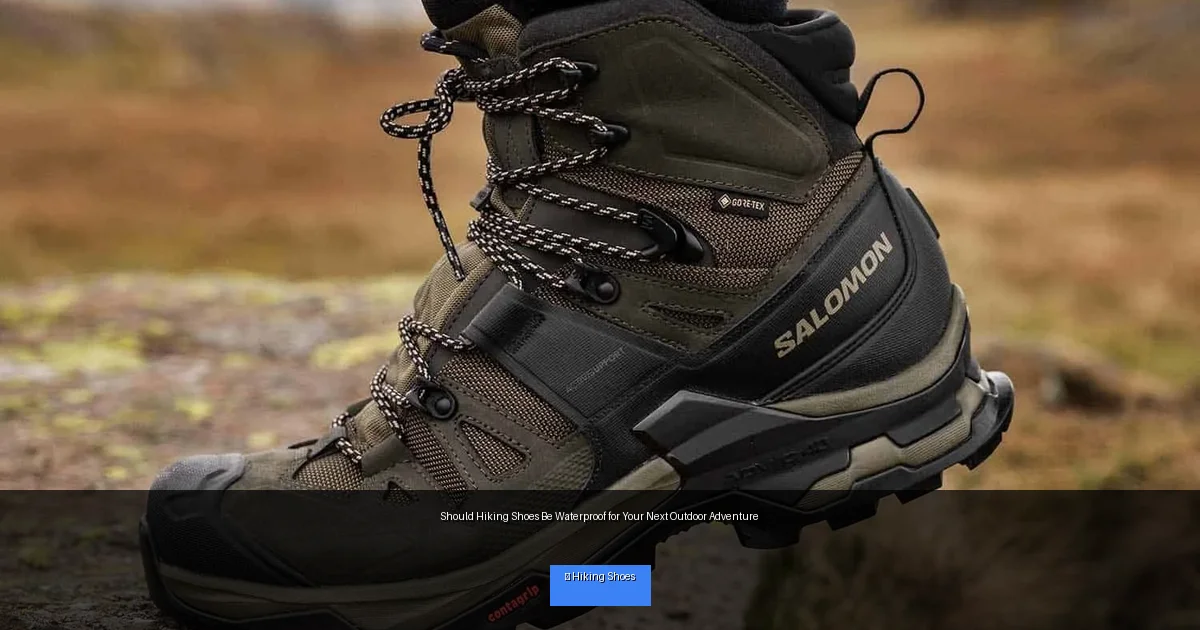
Visual guide about Should Hiking Shoes Be Waterproof for Your Next Outdoor Adventure
Image source: thisexpansiveadventure.com
How Do Waterproof Shoes Differ from Water-Resistant Ones?
Water-resistant shoes repel some water but aren’t fully sealed against heavy rain or deep puddles. Waterproof shoes provide a higher level of protection, ideal for consistently wet environments.
Step 1: Assess Your Hiking Environment
Consider the Weather and Terrain
If you hike in areas with frequent rain, swampy trails, or snow, waterproof shoes can be a lifesaver. For dry, dusty, or hot environments, waterproof shoes might cause discomfort due to less breathability.
Example:
- Mountain trails with streams and rain: Waterproof shoes recommended.
- Desert hiking in dry heat: Non-waterproof shoes might be better for ventilation.
Step 2: Evaluate Your Hiking Style and Duration
Day Hikes vs. Multi-day Treks
For short hikes, comfort and breathability could outweigh waterproofing. For longer hikes where weather can change, waterproof shoes offer security against wet feet, which helps prevent blisters and cold.
Casual vs. Technical Hiking
Technical hikes involving river crossings or snow may demand waterproof shoes. Casual walks on dry trails may not require them.
Step 3: Understand the Pros and Cons of Waterproof Hiking Shoes
Pros
- Keep feet dry in wet conditions.
- Protect against mud and snow.
- Reduce risk of blisters caused by wet skin.
Cons
- Can be heavier and less flexible.
- Reduced breathability may cause sweaty feet.
- Typically more expensive than non-waterproof options.
Step 4: Choosing the Right Waterproof Hiking Shoes
Look for Quality Waterproof Membranes
Choose shoes with reliable membranes like Gore-Tex or eVent. These materials balance waterproofing with breathability better than cheaper alternatives.
Fit and Comfort Are Crucial
Try shoes on with the socks you plan to wear hiking. Walk around to test comfort and ensure no pressure points. Remember, waterproof does not mean comfortable, so prioritize fit.
Weight and Durability Considerations
If you hike long distances, lighter shoes reduce fatigue. Waterproof shoes tend to be heavier, so find a good balance between protection and weight.
Step 5: Maintain Your Waterproof Hiking Shoes
Clean Them Regularly
Remove dirt and mud after each hike using a soft brush and mild soap. This helps maintain the waterproof coating.
Reapply Waterproof Treatments
Over time, waterproof coatings wear off. Use sprays or waxes recommended by the shoe manufacturer to restore water repellency.
Dry Properly
After wet hikes, dry shoes at room temperature away from direct heat to avoid damaging materials.
Step 6: Alternatives to Waterproof Hiking Shoes
Waterproof Socks
If you prefer lightweight, non-waterproof shoes, you can wear waterproof socks. They create a barrier against moisture but may reduce breathability.
Gaiters
Gaiters prevent water, mud, or snow from entering your shoes from the top, offering extra protection without fully waterproof shoes.
Troubleshooting Common Issues with Waterproof Hiking Shoes
Issue: Feet Still Get Wet
Check if shoes are damaged or worn out. Waterproof membranes can degrade, or seams may open. Consider reapplying waterproof treatments or replacing the shoes.
Issue: Feet Feel Too Hot or Sweaty
Try hiking in cooler times of the day or switch to shoes with more breathable membranes. Use moisture-wicking socks to help manage sweat.
Issue: Shoes Feel Heavy or Stiff
Break in your shoes gradually before long hikes. Alternatively, explore lightweight waterproof shoe models designed for flexibility.
Conclusion
Deciding if hiking shoes should be waterproof depends on your hiking conditions, style, and preferences. Waterproof hiking shoes offer excellent protection in wet, muddy, or snowy environments but may sacrifice breathability and weight. By understanding your needs and carefully selecting shoes that balance waterproofing with comfort, you can enjoy your outdoor adventures with dry, happy feet. Remember, proper maintenance will keep your waterproof shoes performing at their best for many trails to come.