How to Lace Hiking Shoes for Maximum Comfort and Support
In this guide, you’ll discover easy and effective techniques to lace your hiking shoes for the best comfort and support. Whether you’re tackling rugged trails or casual hikes, the right lacing method can prevent foot pain, enhance stability, and keep you going mile after mile.
Key Takeaways
- Proper lacing improves comfort: Correctly lacing your hiking shoes reduces pressure points and prevents blisters.
- Support and stability: Different lacing techniques can target arch support and heel lockdown for safer hikes.
- Customization matters: Adjust lacing based on foot shape and hiking terrain for the best fit.
- Step-by-step methods: Techniques like the heel lock and skip lacing can solve common fit issues.
- Regular adjustments: Re-lace your shoes as your feet swell during long hikes to maintain comfort.
- Troubleshooting tips: Learn how to fix hotspots, tightness, and slipping with simple lacing tweaks.
How to Lace Hiking Shoes for Maximum Comfort and Support
Hiking shoes are your best friend on the trail. But no matter how great your shoes are, if they’re not laced properly, you could end up with sore feet, blisters, or even injuries. In this guide, you’ll learn how to lace hiking shoes to get the perfect fit that offers both comfort and support. We’ll cover basic lacing, advanced techniques, and tips to handle common problems.
Why Proper Lacing Matters
Your feet swell and move during hikes. A good lacing job keeps your foot secure without being too tight or too loose. This helps prevent:
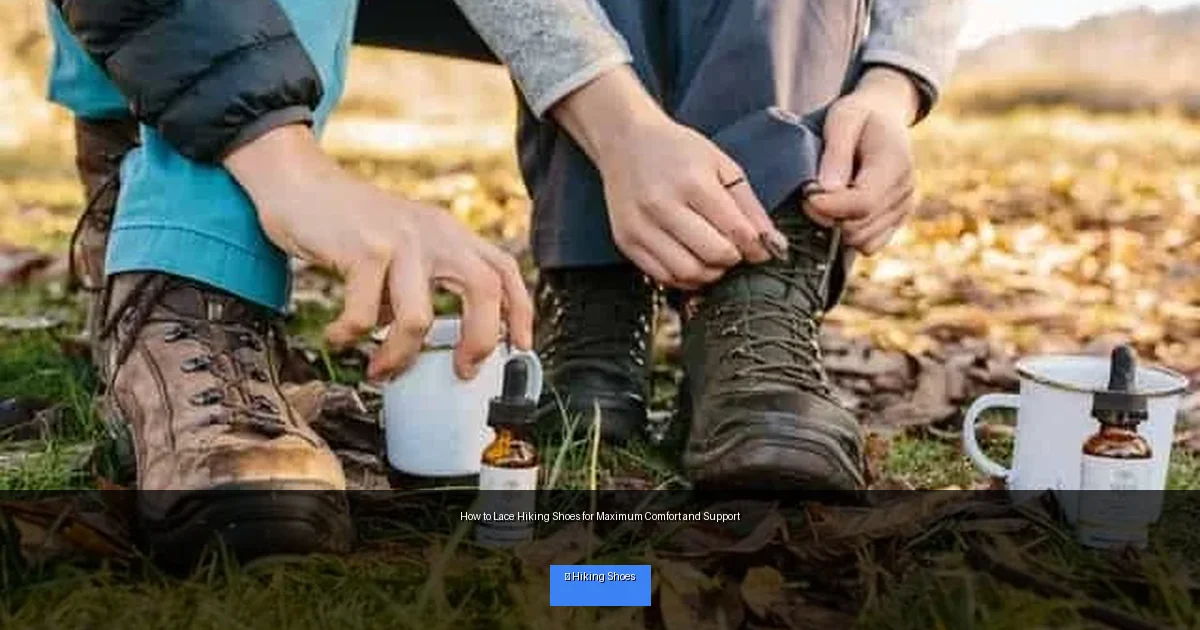
Visual guide about How to Lace Hiking Shoes for Maximum Comfort and Support
Image source: hikinggearlab.com
- Blisters and hotspots
- Foot fatigue
- Heel slippage
- Uneven pressure on your foot
Proper lacing enhances your hiking experience by providing stability and balance on tricky terrain.
Preparing to Lace Your Hiking Shoes
Before you start, make sure:
- Your socks fit well and are intended for hiking.
- Your feet are dry and clean.
- You’ve loosened the shoes completely to allow easy foot entry.
Now you’re ready to get started.
Step 1: Basic Criss-Cross Lacing
This is the most common and simple lacing method. It works well for most foot types and hiking conditions.
How to do it:
- Start by threading the lace through the bottom eyelets from the outside in, so the lace ends are inside the shoe.
- Pull the lace tight so it’s snug but not tight.
- Cross the ends and thread each end through the next eyelet, going from inside to outside.
- Continue criss-crossing up the shoe until you reach the top eyelets.
- Tie your preferred knot, usually a bow or double knot for security.
Tip: Make sure the tension is even on both sides. This keeps pressure balanced across your foot.
Step 2: Heel Lock Lacing for Extra Support
The heel lock, also known as the runner’s loop, prevents your heel from slipping inside the shoe. This is especially useful on downhill hikes.
How to do it:
- Lace your shoes using the basic criss-cross method but stop at the second-to-last eyelets.
- Thread each lace end through the last eyelet on the same side to create a small loop.
- Cross the laces and insert each lace end through the loop on the opposite side.
- Pull tight to lock your heel in place.
- Tie your knot as usual.
Example: If your heel slips while descending, this lacing method can stabilize your foot and prevent blisters.
Step 3: Skip Lacing to Relieve Pressure Points
If you have a high instep or certain areas that feel too tight, skip lacing can help reduce pressure.
How to do it:
- Start with basic criss-cross lacing.
- When you reach the eyelets over the pressure point, skip crossing the laces and go straight up to the next eyelet.
- Continue lacing normally after skipping.
Tip: You don’t have to skip just one set of eyelets — experiment to find what relieves your pressure.
Step 4: Lock Lacing for Wide Feet
Lock lacing helps accommodate wider feet by loosening the upper part of the shoe while keeping the lower part snug.
How to do it:
- Lace through the bottom two eyelets tightly.
- Loosely lace through the middle eyelets to give your foot room.
- Tighten the top eyelets using the heel lock technique for heel support.
- Adjust tension until your foot feels secure but not squeezed.
Step 5: Double Back Lacing for Extra Security
This method increases lace tension near the ankle and can be good for technical hikes or uneven terrain.
How to do it:
- Start with regular criss-cross lacing.
- When you reach the top two eyelets, thread the lace back down through the previous eyelets, creating a double loop.
- Tie the knot at the top eyelets, making the ankle section extra snug.
Note: This method provides firmer ankle support but can feel tight if your shoe isn’t designed for it.
Additional Tips for Perfect Lacing
- Adjust throughout the day: Your feet swell during hikes. Don’t hesitate to loosen or tighten laces on the trail.
- Use quality laces: Durable, non-stretch laces hold tension better and last longer.
- Try different knots: A surgeon’s knot or double knot prevents laces from coming undone on long hikes.
- Practice at home: Don’t wait until the trail to try new lacing techniques.
- Consider insoles: Sometimes lacing can only do so much — quality insoles improve overall comfort.
Troubleshooting Common Issues
Hotspots and Blisters
If you develop hotspots, try skip lacing or loosening laces around that area. Also, make sure your socks are moisture-wicking and your shoes fit well.
Heel Slipping
Use the heel lock lacing technique to secure your heel and reduce friction that causes slipping.
Shoe Too Tight
Try lock lacing to give your foot more room without sacrificing support. Check if your shoes are the correct size, too.
Laces Come Untied
Use double knots or surgeon’s knots to keep your laces secure on the trail.
Conclusion
Lacing your hiking shoes correctly is a simple step that makes a big difference on the trail. Whether you need extra heel support, relief from pressure points, or just a comfortable fit, these lacing techniques help you get there. Remember to adjust your laces during hikes and choose the method that works best for your feet. Comfort and support start with proper lacing — so lace up and enjoy your next adventure!