How to Choose Hiking Shoes for Comfort and Durability on Trails
Choosing the right hiking shoes is key to enjoying your time on the trails. This guide helps you understand how to select hiking shoes that offer comfort and durability, covering fit, materials, and features to keep your feet happy and protected.
Key Takeaways
- Fit Matters: Proper fit prevents blisters and foot pain on long hikes.
- Choose the Right Material: Leather offers durability, while synthetics provide breathability.
- Sole and Traction: Look for soles with good grip to stay stable on various terrains.
- Support and Cushioning: Adequate arch support and cushioning reduce fatigue and injury risk.
- Waterproofing: Decide if you need waterproof shoes based on your usual hiking conditions.
- Break Them In: Wear your shoes before hitting tough trails to avoid discomfort.
- Replace When Needed: Shoes lose support over time; replacing them keeps you safe and comfortable.
How to Choose Hiking Shoes for Comfort and Durability on Trails
Picking the right hiking shoes can make or break your outdoor adventure. Whether you’re a beginner or a seasoned hiker, the right footwear ensures your feet stay comfortable and protected on every trail. In this guide, you’ll learn how to choose hiking shoes that combine comfort and durability, helping you enjoy your hikes without pain or problems.
Step 1: Understand Your Hiking Needs
Before shopping for hiking shoes, consider the type of hiking you plan to do. Different trails and conditions call for different shoe features.
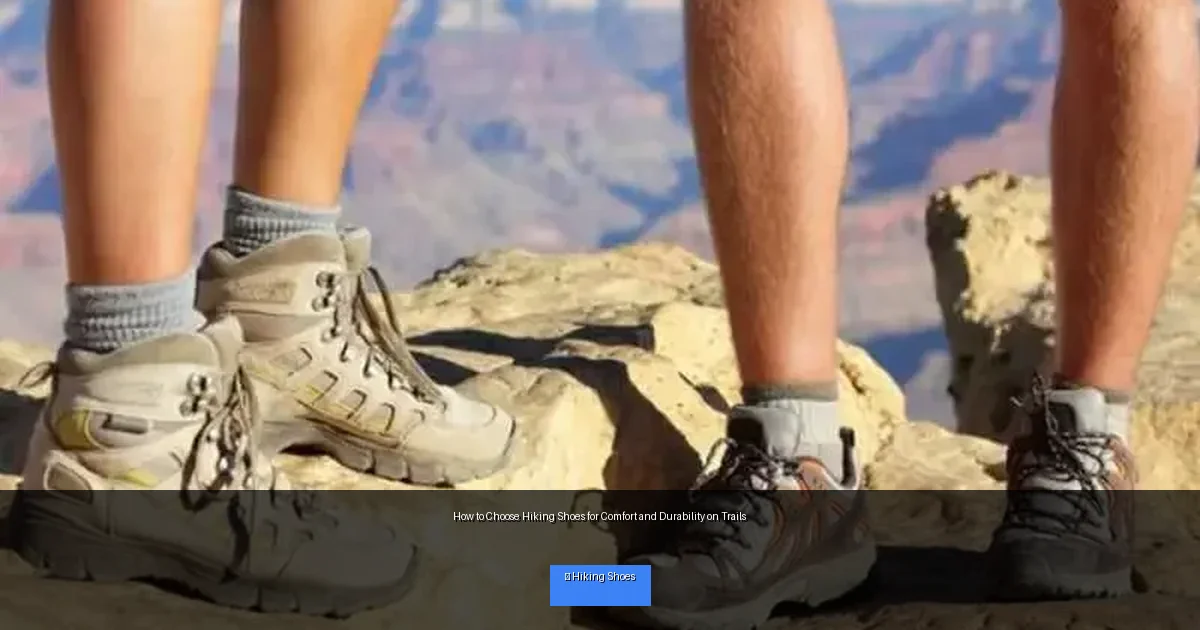
Visual guide about How to Choose Hiking Shoes for Comfort and Durability on Trails
Image source: victormatara.com
Identify Trail Types
- Day Hiking: Shorter hikes on easy to moderate trails. Lightweight shoes often suffice.
- Backpacking: Longer hikes with heavy packs require sturdy, supportive boots.
- Technical Hiking: Rocky, steep trails may need shoes with extra ankle support and aggressive soles.
Consider Weather and Terrain
Think about the climate and ground you’ll encounter. Wet or muddy trails might need waterproof shoes, while hot, dry trails benefit from more breathable materials.
Step 2: Focus on Fit and Comfort
Comfort is king when it comes to hiking shoes. A good fit prevents blisters, soreness, and fatigue.
Get the Right Size
- Try shoes on at the end of the day when your feet are largest.
- Wear hiking socks similar to those you’ll use on the trail.
- Leave about a thumb’s width of space in front of your toes.
Check Width and Volume
Make sure the shoe isn’t too tight or too loose around the midfoot and heel. Your foot should feel snug but not squeezed.
Test Walking and Flexibility
Walk around the store or your home to test flexibility and comfort. The shoe should bend at your toes but remain stiff enough to protect your foot.
Step 3: Choose the Right Material
The material affects durability, weight, breathability, and waterproofing.
Leather Hiking Shoes
- Very durable and supportive.
- Resistant to abrasions and punctures.
- Less breathable and heavier.
Synthetic Materials
- Lighter and more breathable.
- Dries faster when wet.
- May wear out quicker than leather.
Combination Shoes
Many hiking shoes blend leather and synthetic fabrics to balance durability and breathability.
Step 4: Look for Good Sole and Traction
The sole impacts your stability and grip on different surfaces.
Outsole Material
Rubber is the most common outsole material. Look for deep lugs for better traction on slippery or loose terrain.
Midsole Cushioning
The midsole absorbs shock and provides comfort. EVA foam is lightweight and soft, while polyurethane is firmer and more durable.
Heel and Arch Support
Check for a firm heel cup and arch support to reduce foot fatigue and improve stability.
Step 5: Decide on Waterproofing and Breathability
Waterproof shoes keep your feet dry but can reduce breathability, causing sweat buildup.
Waterproof Membranes
- Materials like Gore-Tex provide waterproofing and some breathability.
- Ideal for wet or muddy conditions.
Non-Waterproof Shoes
- More breathable and lighter.
- Better for dry, hot climates.
Step 6: Test and Break In Your Hiking Shoes
New shoes can feel stiff and uncomfortable at first. Breaking them in helps avoid foot pain on the trail.
Wear Them at Home
Spend time walking around your house or neighborhood before your hike.
Take Short Walks
Try short hikes or walks on uneven ground to loosen up the shoe and adapt your feet.
Step 7: Maintain and Replace Your Hiking Shoes
Proper care extends the life of your shoes, but they don’t last forever.
Cleaning Tips
- Remove dirt and mud after each use with a brush and mild soap.
- Allow shoes to air dry away from direct heat.
- Apply waterproof treatments if recommended by the manufacturer.
When to Replace
Replace your hiking shoes when the sole wears thin, cushioning compresses, or the fit loosens. Typically, this happens after 500-800 miles of use.
Troubleshooting Common Issues
Blisters and Hot Spots
Blisters often come from poor fit or friction. Make sure shoes fit correctly and wear moisture-wicking socks. Use blister pads or tape if needed.
Sore Feet or Ankles
Inadequate support or wrong shoe type may cause pain. Consider shoes with better arch support or ankle protection for your terrain.
Wet Feet
If your feet get wet and cold, try waterproof shoes or gaiters. Avoid cotton socks and opt for wool or synthetic materials.
Conclusion
Choosing hiking shoes for comfort and durability takes a little time and effort, but it pays off with enjoyable, pain-free hikes. Remember to assess your hiking needs, prioritize fit, pick the right materials, and care for your shoes well. With the right pair, you’ll feel confident and comfortable on every trail. Happy hiking!