Do Hiking Shoes Have Ankle Support and Why It Matters for Hikers
Wondering do hiking shoes have ankle support? This guide explains the types of hiking shoes, the importance of ankle support for hikers, and how to pick the right footwear. Learn practical tips to keep your feet stable and avoid injuries during your outdoor adventures.
Key Takeaways
- Hiking shoes vary in ankle support: Some offer full ankle coverage, while others focus on flexibility and lightweight design.
- High-cut hiking boots provide the best ankle support: They reduce the risk of sprains on rough terrain.
- Low-cut hiking shoes prioritize mobility: These are better for easy trails but offer less protection.
- Choosing ankle support depends on trail difficulty and personal needs: Consider your hiking style and terrain.
- Proper fit and lacing enhance ankle support: Even shoes with ankle support need correct fitting to protect effectively.
- Additional accessories like ankle braces can supplement shoe support: Useful for hikers with weak ankles.
- Investing in the right hiking shoe improves safety and comfort: It prevents injuries and boosts confidence on the trail.
Do Hiking Shoes Have Ankle Support and Why It Matters for Hikers
When you’re gearing up for a hike, choosing the right footwear is crucial. One common question is, do hiking shoes have ankle support? The answer isn’t a simple yes or no because hiking footwear comes in various styles designed for different levels of ankle protection. In this guide, we’ll explore what ankle support means, why it’s important, and how to find the perfect hiking shoes that keep your feet stable and comfortable on any trail.
Understanding Ankle Support in Hiking Shoes
Ankle support refers to how well a shoe or boot stabilizes your ankle, preventing unwanted movement that can lead to sprains or injuries. Hiking shoes and boots generally fall into three categories based on this support:
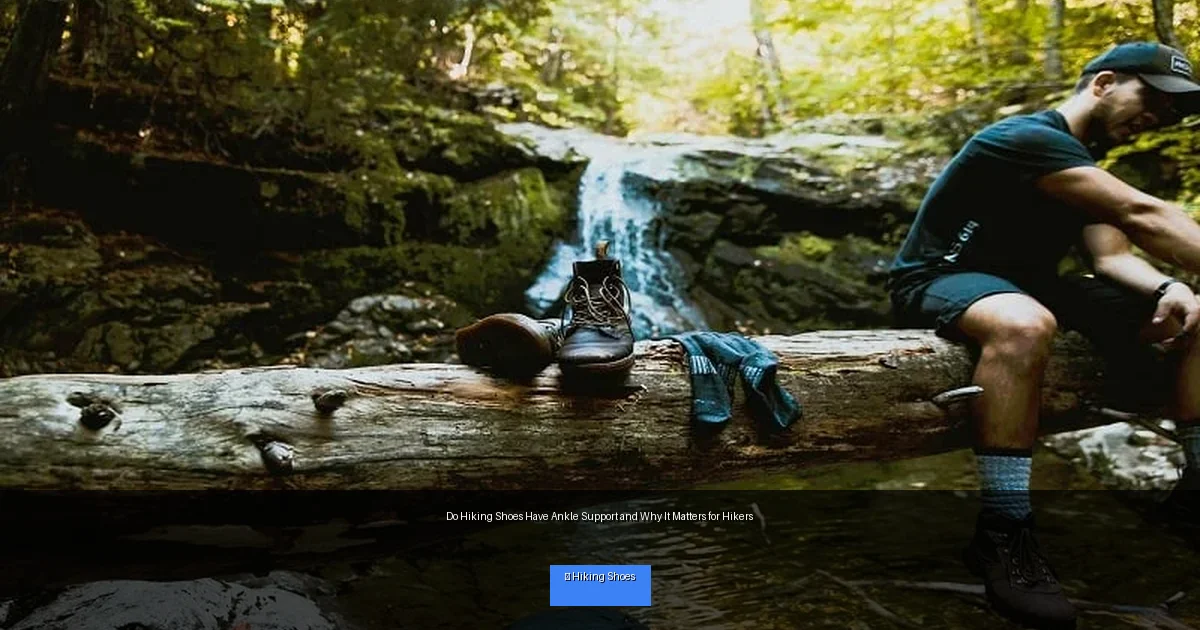
Visual guide about Do Hiking Shoes Have Ankle Support and Why It Matters for Hikers
Image source: gohikevirginia.com
- Low-cut hiking shoes: These sit below the ankle and offer minimal support but more flexibility.
- Mid-cut hiking boots: These cover the ankle partially, providing moderate support.
- High-cut hiking boots: These fully encase the ankle for maximum support and protection.
Knowing these categories helps you decide what kind of support you might need depending on your hiking conditions.
Why Ankle Support Matters for Hikers
Strong ankle support can make a big difference in your hiking experience. Here’s why it matters:
- Prevents injuries: Uneven trails and loose rocks can cause your ankle to twist. Good support reduces this risk.
- Improves stability: Supportive shoes help maintain your balance on steep or slippery terrain.
- Reduces fatigue: Proper support can lessen muscle strain, allowing you to hike longer comfortably.
- Enhances confidence: Feeling secure in your footwear lets you focus on enjoying the trail.
How to Choose Hiking Shoes with the Right Ankle Support
Choosing hiking shoes with appropriate ankle support involves several factors. Follow these steps to find your ideal pair.
Step 1: Assess Your Hiking Style and Terrain
- Light day hikes on smooth trails: Low-cut shoes may be sufficient.
- Moderate trails with some elevation changes: Mid-cut boots offer a good balance.
- Challenging, rocky, or uneven terrain: High-cut boots provide the best protection.
Knowing where you plan to hike helps narrow down your options.
Step 2: Consider Your Ankle Strength and History
If you have weak ankles or a history of sprains, prioritize shoes with stronger ankle support or add an ankle brace for extra security.
Step 3: Try Different Styles and Brands
Visit a specialty outdoor store and try on various hiking boots and shoes. Walk around to feel how the ankle support helps your foot stay stable.
Step 4: Focus on Fit and Comfort
Even the best ankle support won’t help if the shoe doesn’t fit well. Make sure there’s enough room in the toe box, the heel doesn’t slip, and the ankle collar hugs your leg comfortably.
Step 5: Check Lacing Systems
Quality lacing can improve ankle support by allowing you to tighten or loosen areas around your ankle. Look for boots with hooks or speed laces near the ankle for better adjustment.
Additional Tips for Maximizing Ankle Support
- Wear proper hiking socks: Thick, moisture-wicking socks provide cushioning and reduce friction.
- Break in your shoes: Wear your hiking shoes on short walks before hitting tough trails to soften materials and avoid blisters.
- Use ankle braces if needed: For those with instability, added braces can complement shoe support.
- Replace worn-out shoes: Old shoes lose their support and cushioning, increasing injury risk.
Troubleshooting Common Ankle Support Issues
Problem: Ankle Pain or Twisting Despite Wearing Hiking Boots
Solution: Check if your boots fit properly and if your lacing technique is secure. Consider trying boots with higher cut or stiffer ankle collars. Using ankle braces might also help.
Problem: Boots Feel Too Restrictive or Uncomfortable Around the Ankle
Solution: Try loosening the laces around your ankle or choose boots with padded collars that mold to your leg. Sometimes a mid-cut boot offers a better balance than a high-cut one.
Problem: Slipping Heel Inside the Boot
Solution: Heel slippage reduces ankle support. Use thicker socks or heel grip inserts. Also, double-check sizing—too big a boot causes this problem.
Conclusion
So, do hiking shoes have ankle support? It depends on the type of footwear and your hiking needs. High-cut hiking boots offer the best ankle protection, while low-cut shoes focus on mobility. Understanding your trail conditions, ankle strength, and comfort preferences will guide you to the right choice. Remember, proper fit and lacing are key to maximizing ankle support. With the right hiking shoes, you can enjoy safer, more comfortable adventures on any trail.