Do Hiking Shoes Stretch Over Time Tips to Make Them Fit Better
Wondering do hiking shoes stretch over time? This guide covers everything you need to know about shoe stretch, how to speed up the process, and practical tips to ensure your hiking shoes fit perfectly and keep your feet comfortable on every trail.
Key Takeaways
- Hiking shoes do stretch: Most hiking shoes, especially leather ones, will stretch and mold to your feet over time.
- Material matters: Leather shoes stretch more than synthetic ones, which tend to hold their shape.
- Break-in period is key: Properly breaking in your hiking shoes improves comfort and reduces blisters.
- Stretching techniques: Using heat, moisture, or shoe stretchers can help speed up stretching.
- Proper fit is crucial: Shoes that are too tight may not stretch enough to become comfortable.
- Don’t ignore discomfort: Persistent pain means your shoes might not be the right fit, regardless of stretching.
- Maintenance helps: Conditioning leather and drying shoes correctly preserves stretch and comfort.
Do Hiking Shoes Stretch Over Time? Tips to Make Them Fit Better
Buying hiking shoes that fit well is crucial for enjoying your outdoor adventures. But what if the shoes feel tight at first? You might wonder, do hiking shoes stretch over time? The short answer is yes, but it depends on the shoe’s material, construction, and how you care for them. In this guide, you’ll learn how hiking shoes stretch, how to break them in safely, and tips to make them fit better faster.
Understanding Hiking Shoe Materials and Stretch
Different hiking shoe materials stretch differently. Knowing this helps you set realistic expectations.
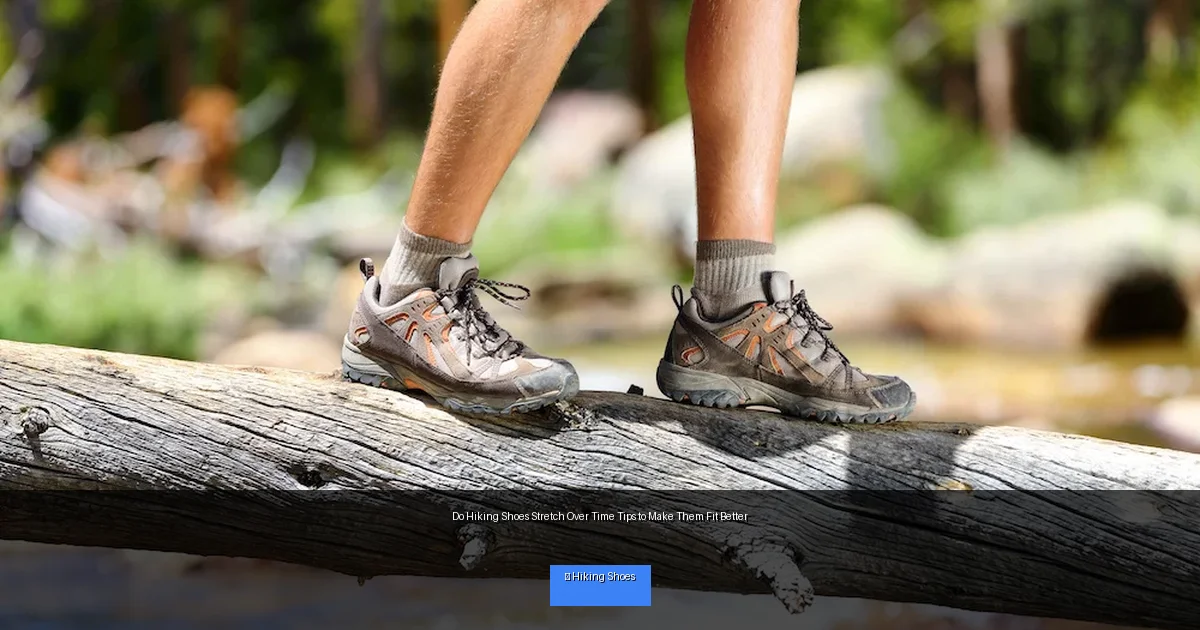
Visual guide about Do Hiking Shoes Stretch Over Time Tips to Make Them Fit Better
Image source: trailandtrek.com
Leather Hiking Shoes
Leather is known for its ability to stretch and mold to your feet. Over a few hikes, leather shoes soften and expand, providing a custom fit. However, leather can take time—sometimes weeks—to fully break in.
Synthetic Hiking Shoes
Synthetics like nylon and polyester tend to be firmer. They stretch less but often have more padding for comfort. If synthetic shoes feel tight, they may not stretch enough, and you might need a larger size or a different model.
Combination Materials
Some hiking shoes use a mix of leather and synthetics. These shoes stretch moderately, mostly in leather areas, while synthetic parts stay firm.
How Much Do Hiking Shoes Stretch?
On average, hiking shoes stretch about 5-10% in width and length. This might be around a quarter to half a size, enough to relieve tight spots but not to make shoes drastically bigger. Stretching mainly affects width more than length.
Step-by-Step: How to Break in Your Hiking Shoes
1. Start with the Right Size
Before expecting stretch, make sure your hiking shoes fit well to begin with. They should feel snug but not painfully tight. Leave about a thumb’s width of space in the toe box to allow for foot swelling on hikes.
2. Wear Them at Home
Wear your new hiking shoes indoors for short periods. This gets your feet used to the shoes and helps the materials start to soften.
3. Use Thick Hiking Socks
Put on your usual hiking socks when breaking in shoes. Thick socks cushion your feet and create a better fit.
4. Take Short Walks Outdoors
Try short walks around your neighborhood or park. Gradually increase the distance over days or weeks to let shoes stretch naturally.
5. Keep Your Feet Dry
Wet feet and shoes can cause blisters. Use moisture-wicking socks and dry your shoes properly after hikes.
Tips to Make Hiking Shoes Stretch Faster
Use a Shoe Stretcher
Invest in a shoe stretcher designed for hiking shoes. Insert it into the shoe and adjust to widen tight areas. Leave it in for 24-48 hours for best results.
Apply Heat Carefully
Gently warming leather shoes with a hairdryer can soften materials. After heating, wear the shoes with thick socks to help them mold to your feet. Avoid overheating to prevent damage.
Use Moisture and Conditioning Products
Leather conditioners soften leather, making it more pliable. Slightly dampening shoes before wearing can also help, but avoid soaking them.
Freeze with Water Bags
Fill freezer bags with water and place them inside the shoes. Freeze overnight. As water expands when frozen, it gently stretches the shoes. Remove and let shoes thaw before wearing.
When to Consider a Different Size or Model
If your shoes remain painful after proper break-in and stretching attempts, they might not be the right size or shape for your feet. Hiking shoe brands vary in fit, so trying different models can help find your perfect match.
Maintaining Your Hiking Shoes for Long-Term Comfort
- Dry Properly: Air dry shoes away from direct heat.
- Clean Regularly: Remove dirt and debris to keep materials supple.
- Condition Leather: Use leather conditioners seasonally.
- Store Correctly: Keep shoes in a cool, dry place.
Troubleshooting Common Hiking Shoe Fit Issues
Blisters and Hot Spots
Even if shoes stretch, friction can cause blisters. Use blister pads, proper socks, and adjust lacing techniques to reduce pressure.
Toe Pain
Toe pain often means shoes are too short. Stretching won’t solve length issues, so consider a bigger size or shoes with a wider toe box.
Heel Slippage
Heel slippage can cause blisters. Tighten laces or use heel grips. Some stretching techniques may help if the shoe is just slightly loose.
Conclusion
Do hiking shoes stretch? Yes, especially leather ones, but the amount varies. Breaking in your shoes gradually and using stretching techniques can make your hiking boots more comfortable. Remember, proper fit from the start is essential to avoid long-term foot pain. Take care of your shoes, and they will reward you with happy feet on every trail.