Are Hiking Shoes Good for Everyday Use Benefits and Drawbacks Explained
Hiking shoes offer durability, comfort, and support, making them a popular choice beyond trails. This guide explores the benefits and drawbacks of using hiking shoes for everyday wear, helping you decide if they fit your daily lifestyle. Learn practical tips, style advice, and how to get the most from your hiking footwear off the trail.
Key Takeaways
- Durability and Support: Hiking shoes provide excellent foot support and long-lasting wear for daily activities.
- Comfort Factors: Many hiking shoes feature cushioned soles and breathable materials ideal for all-day comfort.
- Style Considerations: Some hiking shoes have rugged looks that may not suit all casual or professional settings.
- Weight and Flexibility: Hiking shoes can be heavier and less flexible than regular sneakers, affecting everyday ease.
- Weather Resistance: Waterproof hiking shoes keep feet dry in wet conditions, a plus for daily commuters.
- Break-in Period: New hiking shoes often require a break-in time before they feel comfortable for all-day use.
- Cost vs. Value: Hiking shoes tend to be pricier but offer excellent value through durability and versatility.
Are Hiking Shoes Good for Everyday Use? Benefits and Drawbacks Explained
Are you wondering if hiking shoes are a good choice for daily wear? Maybe you love the rugged look or the promise of lasting comfort. Hiking shoes are designed for tough trails, but can they handle the demands of everyday life? In this guide, you’ll learn about the pros and cons of wearing hiking shoes every day, how to pick the right pair, and tips to keep your feet happy whether you’re at work, running errands, or out with friends.
Understanding Hiking Shoes
Hiking shoes are built to support your feet on uneven terrain. They often have stiff soles, durable materials, and extra ankle support. These features help prevent injuries on trails but may affect comfort and style for daily use. Knowing what makes hiking shoes unique will help you decide if they fit your needs.
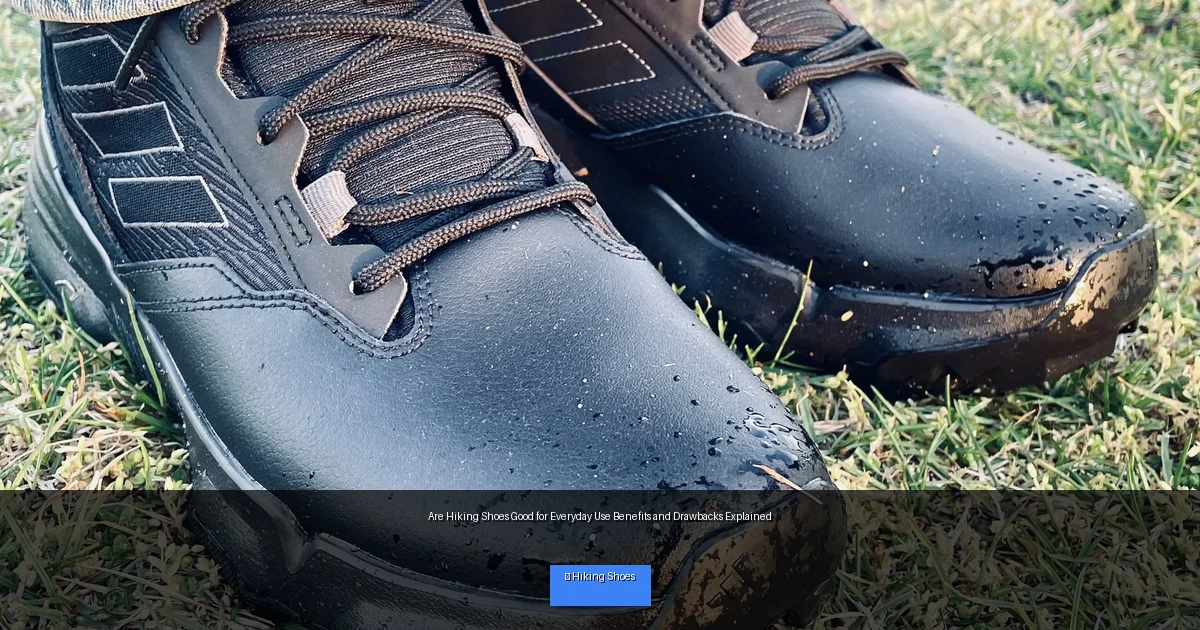
Visual guide about Are Hiking Shoes Good for Everyday Use Benefits and Drawbacks Explained
Image source: images.squarespace-cdn.com
Step 1: Benefits of Wearing Hiking Shoes Every Day
1. Superior Support and Stability
Hiking shoes are designed to support your feet, ankles, and arches. This can reduce fatigue and prevent common foot problems when you’re on your feet for long hours. If you have flat feet or need extra stability, hiking shoes might be a great fit.
2. Durability for Long-Term Use
Made with tough materials like leather and reinforced soles, hiking shoes last longer than many casual shoes. You won’t need to replace them as often, even if you walk a lot or encounter rough surfaces daily.
3. Weather Resistance
Many hiking shoes come with waterproof linings or water-resistant coatings. This feature keeps your feet dry during rainy days or in damp environments, which is a big plus if you live in a wet climate.
4. Enhanced Traction
The soles of hiking shoes have deep treads to grip slippery or uneven ground. This traction can be helpful not only outdoors but also on slick city streets or wet surfaces.
Step 2: Drawbacks of Wearing Hiking Shoes for Everyday Use
1. Heavier Weight
Hiking shoes tend to weigh more than running shoes or casual sneakers. This extra weight might tire your legs faster if you walk or stand a lot during the day.
2. Less Flexibility
The rigid soles that protect your feet on trails can limit the natural movement your feet make when walking on flat surfaces. This might feel uncomfortable, especially if you prefer a lighter, more flexible shoe.
3. Style Limitations
Hiking shoes often have a rugged, outdoorsy look that might not match all outfits or dress codes. If you work in a formal office, these shoes might not be the best choice.
4. Break-In Period Required
Many hiking shoes need time to soften and mold to your feet. Wearing them every day from the start without breaking them in can cause blisters or discomfort.
Step 3: How to Choose Hiking Shoes for Everyday Use
1. Look for Lightweight Models
Some hiking shoes are designed with urban use in mind and are lighter and more flexible. Check product descriptions and customer reviews to find models that balance support with comfort.
2. Consider Style and Color
Choose hiking shoes with neutral colors like black, gray, or brown that can pair well with your daily outfits. Sleeker designs blend better in casual or semi-formal settings.
3. Prioritize Breathability
Look for shoes with mesh panels or breathable fabrics to keep your feet cool and dry throughout the day.
4. Test for Comfort and Fit
Try on hiking shoes at the end of the day when your feet are most swollen to ensure a good fit. Walk around the store or your home to check for any discomfort before buying.
Step 4: Tips for Wearing Hiking Shoes Daily
1. Break Them In Slowly
Wear your new hiking shoes for short periods at first. Gradually increase the time as the shoes mold to your feet.
2. Use Moisture-Wicking Socks
Pair your hiking shoes with socks made from synthetic materials or wool to keep feet dry and reduce friction.
3. Clean and Maintain Regularly
Remove dirt and dry your shoes after use. Apply waterproofing treatments if needed to keep them performing well.
4. Rotate Shoes
Don’t wear the same pair every day. Rotating shoes gives them time to air out and reduces wear.
Step 5: When Hiking Shoes Might Not Be the Best Choice
- If you need very lightweight, flexible footwear for running or gym workouts.
- If your workplace requires formal or business attire.
- If you have very narrow or wide feet and can’t find hiking shoes that fit well.
- If you prefer ultra-minimalist footwear for foot health reasons.
Troubleshooting Common Issues
Blisters and Hot Spots
If you get blisters, try thicker or different socks, use blister pads, and ensure your shoes fit properly. Break shoes in slowly to reduce friction.
Foot Fatigue
If your feet feel tired, consider insoles with extra cushioning or arch support. Also, check if the shoes are too heavy for your daily routine.
Odor and Moisture
To prevent odor, air out shoes after use and use foot powder or odor-fighting sprays. Moisture-wicking socks and waterproof shoes help keep feet dry.
Conclusion
Hiking shoes can be a great choice for everyday use if you value support, durability, and weather resistance. They excel in providing comfort and protection, especially for active lifestyles or challenging weather. However, their weight, style, and break-in time might not suit everyone’s daily needs. By choosing the right pair and following simple care tips, hiking shoes can become your versatile go-to footwear off the trail. Consider your daily activities, style preferences, and comfort needs before making the switch.