Are Hiking Shoes Slip Resistant and Safe for All Terrains
Are hiking shoes slip resistant? This guide explores the slip resistance of hiking shoes and their safety across different terrains. You’ll learn how to select shoes with the best grip, what features to look for, and tips to stay safe on slippery trails.
Key Takeaways
- Slip resistance varies: Not all hiking shoes offer the same level of slip resistance; outsole design and materials matter.
- Lug patterns improve grip: Deeper and multidirectional lugs help prevent slipping on wet or uneven surfaces.
- Material choice is crucial: Rubber soles with sticky compounds offer better traction than hard plastic or worn soles.
- Terrain affects safety: Shoes suited for rocky trails might not perform well on muddy or icy paths.
- Proper fit enhances stability: Well-fitting shoes reduce foot movement inside, improving control and slip resistance.
- Maintenance impacts grip: Keeping soles clean and replacing worn shoes maintains slip resistance.
- Additional gear helps: Using gaiters, traction devices, or trekking poles can boost safety on slippery terrain.
Are Hiking Shoes Slip Resistant and Safe for All Terrains?
If you love exploring the great outdoors, you know that having the right hiking shoes is essential. But one common question arises: Are hiking shoes slip resistant? In this guide, you’ll learn how slip resistance works in hiking shoes, why it matters, and how to choose shoes that keep you safe on all kinds of trails. We’ll cover features to look for, practical tips for testing grip, and how to maintain your shoes for the best performance. Let’s get started!
Understanding Slip Resistance in Hiking Shoes
Slip resistance refers to how well your shoes grip the surface you walk on to prevent slipping. For hiking shoes, it depends on the sole design, materials, and conditions like wet rocks, mud, or loose gravel.
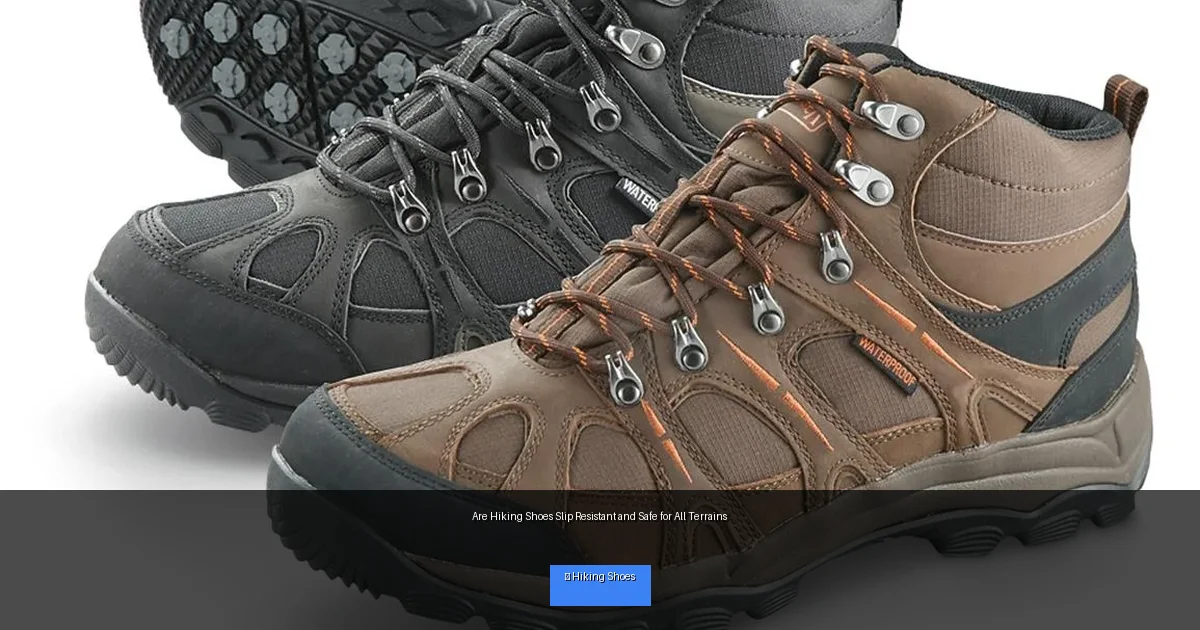
Visual guide about Are Hiking Shoes Slip Resistant and Safe for All Terrains
Image source: image.sportsmansguide.com
What Makes a Hiking Shoe Slip Resistant?
- Outsole Material: Rubber soles with sticky compounds provide better traction.
- Lug Design: Deeper, multidirectional lugs dig into surfaces for grip.
- Flexibility: Flexible soles conform to uneven ground, increasing contact.
Why Slip Resistance Matters
Trails can be unpredictable. Wet leaves, loose rocks, and muddy sections increase the risk of falls. Slip-resistant hiking shoes reduce this risk, helping you stay stable and confident.
Step 1: Choose the Right Hiking Shoes for Slip Resistance
Not all hiking shoes are created equal. Here’s how to pick the best ones for slip resistance.
Look for Quality Outsoles
Check the sole material. Vibram rubber, for example, is known for excellent grip. Avoid shoes with hard, smooth soles as they offer less traction.
Examine the Lug Pattern
Look for deep, aggressive lugs spaced to prevent mud buildup. Multidirectional lugs help grip on uneven surfaces and when changing directions.
Consider the Terrain
Match your shoe to your usual trails. Rocky terrain needs stiff soles and sharp lugs, while muddy trails require wide, deep lugs.
Step 2: Test Slip Resistance Before Buying
Don’t just trust marketing claims. Test the shoes yourself.
Walk on Different Surfaces
Try the shoes on wet tiles, gravel, and smooth floors. Notice how they grip and how stable you feel.
Check the Flexibility
Bend the sole; it should be flexible enough to move with your foot but firm enough to support you.
Inspect the Tread Wear
Worn treads mean less grip. Choose new shoes or those with minimal wear.
Step 3: Maintain Your Hiking Shoes for Optimal Grip
Good care keeps your shoes slip resistant longer.
Clean the Soles Regularly
Remove mud and debris stuck in the lugs after every hike. Use a brush and warm water.
Dry Properly
Avoid drying shoes near direct heat. Let them air dry to prevent sole damage.
Replace When Needed
When soles become smooth or cracks appear, it’s time for new shoes.
Step 4: Use Additional Safety Gear
Sometimes shoes alone aren’t enough.
Consider Traction Aids
Attach crampons or microspikes for icy or snowy hikes.
Use Trekking Poles
Poles provide extra balance and reduce slip risk on tricky terrain.
Troubleshooting: What if Your Hiking Shoes Slip?
If you notice slipping despite using hiking shoes, try these fixes:
- Clean the soles: Mud and dirt reduce grip.
- Check for wear: Replace shoes if lugs are worn down.
- Apply grip sprays: Some products enhance sole stickiness.
- Use traction devices: For icy or very slippery conditions.
- Adjust your walking style: Take shorter steps and watch your footing.
Conclusion
So, are hiking shoes slip resistant and safe for all terrains? The answer depends on the shoe’s outsole material, lug design, and how well they fit your hiking conditions. By choosing quality shoes, testing their grip, and maintaining them properly, you can enjoy safer, more confident hikes on a variety of surfaces. Remember to use additional gear like traction aids and trekking poles when conditions get tough. With these tips, your hiking shoes will be a reliable partner on every trail.