Can You Take a Carry On and a Backpack on Every Airline Flight
Wondering if you can bring a carry on and a backpack on every flight? This guide explains airline rules and gives you tips on packing smartly. Find out how to travel hassle-free with your carry on and backpack.
Key Takeaways
- Carry on and personal item policies vary: Airlines allow a carry on bag plus a personal item like a backpack, but size limits differ.
- Backpacks usually count as personal items: Most airlines accept backpacks as your personal item if they fit under the seat.
- Check airline-specific rules before flying: Each airline has its own size and weight restrictions for carry ons and personal items.
- Packing efficiently helps stay within limits: Use packing cubes and lightweight backpacks to maximize space and avoid fees.
- Overhead bin space can be limited: Boarding early ensures space for your carry on bag.
- Budget airlines often have stricter limits: Low-cost carriers may charge extra for carry ons or larger personal items.
- When in doubt, contact the airline: Confirm your baggage allowance to avoid surprises at the airport.
Can You Take a Carry On and a Backpack on Every Airline Flight?
Traveling with both a carry on and a backpack is common, but not all airlines have the same rules. In this guide, you’ll learn how to bring both without hassle. We’ll cover airline policies, packing tips, and how to avoid extra fees so you can travel smart and stress-free.
Step 1: Understand Airline Carry On and Personal Item Policies
Most airlines allow passengers to bring one carry on bag plus one personal item. A backpack often counts as the personal item. However, size and weight limits vary widely.
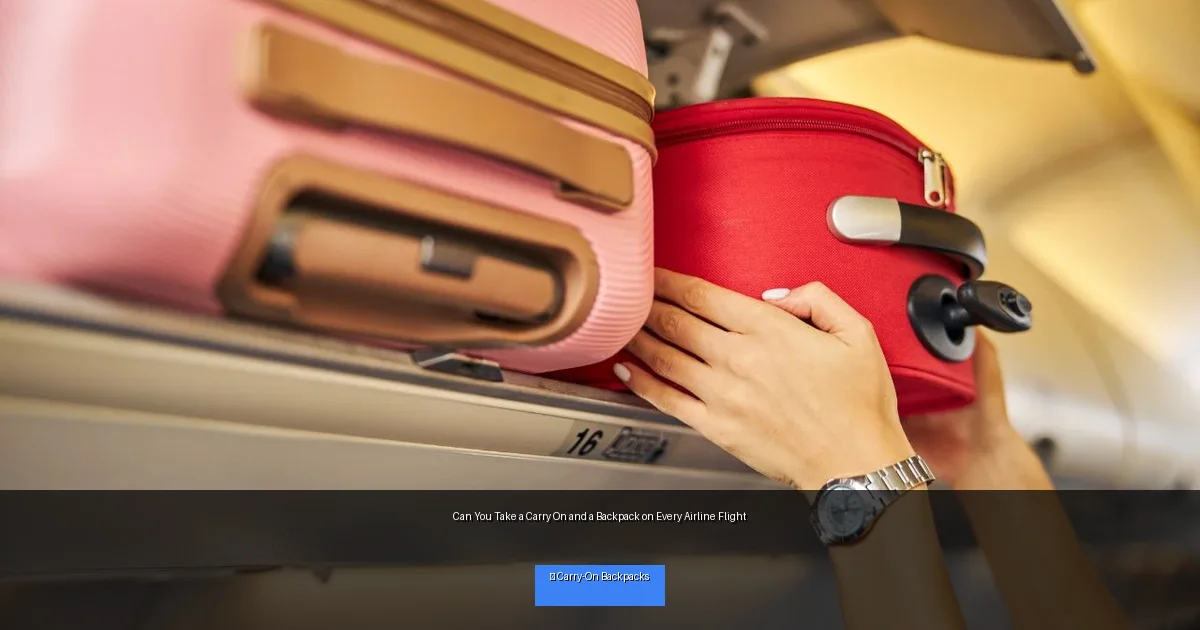
Visual guide about Can You Take a Carry On and a Backpack on Every Airline Flight
Image source: lifestyletoppings.com
What Is a Carry On Bag?
A carry on bag is typically a small suitcase or roller bag that fits in the overhead bin. Airlines usually limit carry on size to around 22 x 14 x 9 inches (56 x 36 x 23 cm), but this can vary.
What Counts as a Personal Item?
Personal items include backpacks, purses, laptop bags, or small duffels. The key is that it fits under the seat in front of you. Size limits are usually smaller than carry ons—about 18 x 14 x 8 inches (45 x 35 x 20 cm).
Why Does This Matter?
If your backpack is too big, the airline might ask you to check it or pay an extra fee. Knowing the rules helps avoid surprises at the gate.
Step 2: Check the Specific Airline’s Rules
Before you pack, visit your airline’s website to confirm their baggage policies. Here’s what to look for:
- Carry on size and weight limits
- Personal item size restrictions
- Whether backpacks are accepted as a personal item
- Fees for additional or oversized bags
For example, airlines like Delta, American, and United generally allow a carry on plus a personal item free of charge on domestic flights. Budget airlines like Spirit or Ryanair often charge for carry ons and have stricter size limits.
Tip:
Save the baggage policy page or take a screenshot on your phone for easy reference at the airport.
Step 3: Choose the Right Backpack for Your Personal Item
Not every backpack qualifies as a personal item. To stay within airline limits, pick one that is:
- Small enough to fit under the seat
- Lightweight to avoid extra weight charges
- Organized with compartments for electronics and essentials
Recommended Backpack Size
Look for backpacks around 17-18 inches tall, 12-14 inches wide, and 6-8 inches deep. This size usually fits under the seat on most airlines.
Features to Look For
- Padded laptop compartment
- Multiple pockets for organization
- Comfortable straps for easy carrying
- Durable and lightweight materials
Step 4: Pack Smartly to Maximize Space
Packing efficiently helps you fit more into your carry on and backpack and stay within airline limits.
Use Packing Cubes
Packing cubes keep clothes compressed and organized. You can separate items like shirts, pants, and toiletries for easy access.
Pack Lightweight Items
Choose lightweight clothing and travel-sized toiletries to reduce weight. Avoid overpacking bulky items.
Distribute Weight Wisely
Place heavier items in your carry on suitcase and lighter items in your backpack to avoid exceeding weight limits.
Keep Essentials in Your Backpack
Store important items like your passport, electronics, medications, and snacks in your backpack for easy access during the flight.
Step 5: Boarding Tips for Carry On and Backpack Travelers
Even if your bags meet airline limits, overhead bin space can fill quickly.
Board Early
Try to board as early as possible to secure space for your carry on bag.
Be Ready to Gate Check
If overhead bins are full, airlines may ask you to gate check your carry on. This means it will be stored in the plane’s cargo hold but returned to you at the gate.
Keep Your Backpack With You
Your backpack, as a personal item, should fit under the seat and stay with you, so keep it accessible.
Troubleshooting Common Issues
My Backpack Is Too Big – What Can I Do?
If your backpack exceeds size limits, consider switching to a smaller one or packing some items in your carry on bag instead.
I Got Charged for My Carry On and Backpack – Why?
Budget airlines may charge fees for carry ons or personal items depending on their rules. Check your ticket type and airline policies to avoid this.
Overhead Bin Is Full – How to Handle It?
Be prepared to gate check your carry on bag. Stay calm and keep valuables in your backpack.
Conclusion
Can you take a carry on and a backpack on every airline flight? Mostly yes, but it depends on the airline and their size limits. By understanding airline policies, choosing the right backpack, and packing smartly, you can travel smoothly and avoid extra fees. Always check your airline’s rules before flying, and be prepared for boarding challenges. With these tips, you’ll enjoy stress-free travel with both your carry on and backpack.