Would a Backpack Be a Carry On for Your Next Flight Travel Tips
Wondering if a backpack can be your carry-on for your next flight? This guide breaks down airline regulations, size tips, and packing strategies to help you travel smart. Find out how to choose the perfect backpack and breeze through airport security with ease.
Key Takeaways
- Carry-on size matters: Most airlines have strict size limits that your backpack must meet to qualify as carry-on luggage.
- Backpacks are versatile: They offer hands-free convenience and can often fit under the seat or in overhead bins.
- Check airline policies: Each airline has its own carry-on rules, so always verify before you pack.
- Packing smart helps: Organize belongings efficiently to maximize space and meet weight restrictions.
- Carry-on backpacks vary: Choose one specifically designed for air travel to avoid surprises at the gate.
- Security rules apply: Know TSA regulations for liquids and electronics when packing your backpack.
- Comfort counts: Look for padded straps and ergonomic designs for easier travel days.
Would a Backpack Be a Carry On for Your Next Flight? Travel Tips
Planning your next flight and wondering if your trusty backpack can be your carry-on bag? You’re in the right place. Many travelers prefer backpacks because they’re easy to carry and keep essentials close. But not all backpacks qualify as carry-on luggage. In this guide, you’ll learn about airline carry-on rules, how to pick the perfect backpack, packing tips, and what to expect at the airport.
Step 1: Understand Airline Carry-On Size Requirements
Know the Dimensions
Most airlines allow carry-on bags that fit within a specific size range, typically around 22 x 14 x 9 inches (56 x 36 x 23 cm). Backpacks that exceed these limits might need to be checked.
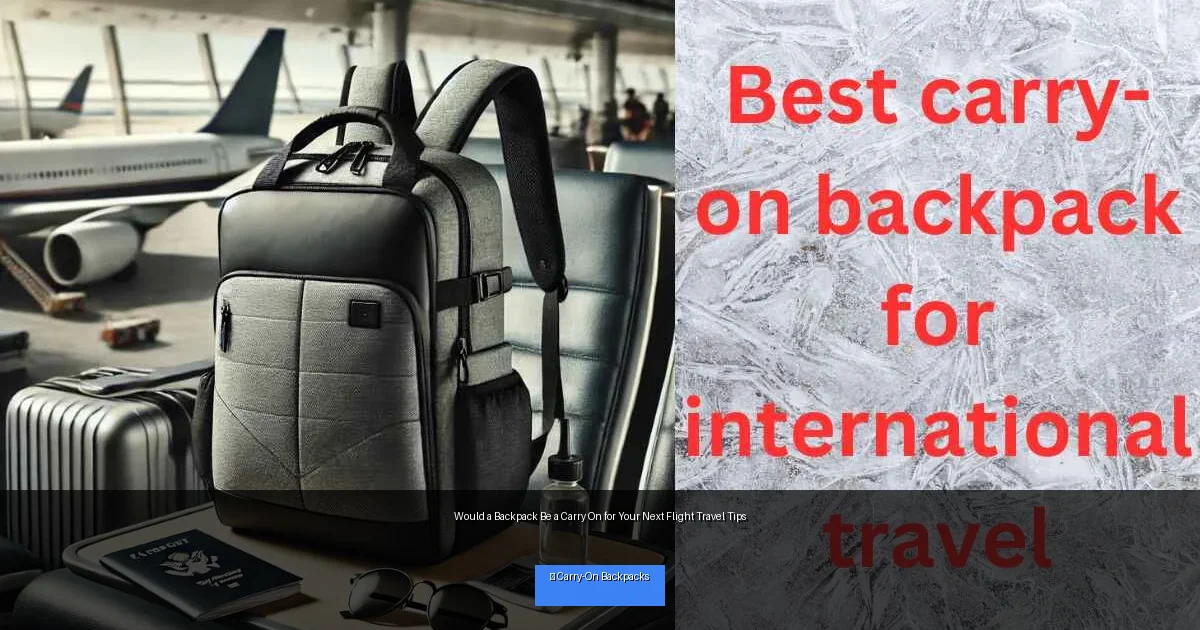
Visual guide about Would a Backpack Be a Carry On for Your Next Flight Travel Tips
Image source: finebackpack.com
Confirm With Your Airline
Every airline has slightly different rules. Before packing, check your airline’s website for the exact carry-on size and weight limits. Budget airlines often have stricter rules.
Step 2: Choose the Right Backpack for Carry-On
Pick a Backpack Designed for Air Travel
Look for backpacks labeled as carry-on compatible or travel backpacks. These usually meet size requirements and have features like laptop compartments and easy-access pockets.
Consider Capacity and Compartments
A backpack between 20-35 liters is ideal. It’s big enough for essentials but small enough to fit overhead or under the seat. Multiple compartments help organize travel documents, electronics, and personal items.
Think About Comfort and Durability
Padded shoulder straps, breathable back panels, and sturdy zippers make a big difference on long travel days.
Step 3: Pack Smart to Maximize Space and Meet Rules
Use Packing Cubes or Compression Bags
These help compress clothes and keep items organized, letting you fit more in your backpack.
Pack Essentials and Follow TSA Rules
Place liquids in quart-sized clear bags and keep electronics accessible for security checks. Avoid packing prohibited items.
Distribute Weight Evenly
Put heavier items closer to your back to improve comfort and balance.
Step 4: Prepare for Airport Security and Boarding
Know What to Expect at Security
You’ll need to remove laptops and liquids from your backpack. Choose a backpack with easy-access compartments to speed up the process.
Boarding Tips
Carry your backpack firmly on your back or by the handle. Ensure it fits easily under the seat or in the overhead bin to avoid gate check fees.
Troubleshooting: What If Your Backpack Is Too Big?
- Measure Twice, Pack Once: Always measure your backpack when empty and packed.
- Remove Non-Essential Items: Take out bulky items or transfer them to your personal item if allowed.
- Consider Checking the Backpack: If it’s too large, check it in advance to avoid surprises.
- Invest in a Smaller Backpack: For frequent flyers, a smaller carry-on backpack designed for flights is a smart choice.
Additional Travel Tips for Carry-On Backpacks
- Label Your Bag: Add a luggage tag with your contact info for easy identification.
- Water-Resistant Material: Protect your belongings from spills or weather.
- Keep Valuables Close: Store passports, tickets, and money in an easily reachable compartment.
- Practice Packing: Do a trial pack at home to ensure everything fits and meets airline restrictions.
Conclusion
So, would a backpack be a carry-on for your next flight? It absolutely can be. The key is choosing the right size backpack, packing smart, and knowing your airline’s rules. Backpacks offer flexibility and comfort, making them a top choice for carry-on travelers. With these tips, you’ll breeze through airport security and travel lighter and smarter on your next adventure.