Can a Carry On Be a Backpack and Still Meet Airline Rules
Yes, a carry on can be a backpack and still meet airline rules if it fits size and weight limits. This guide shows you how to choose the right backpack, pack smartly, and comply with airline regulations to breeze through airport security and enjoy your trip.
Key Takeaways
- Carry-on backpacks must meet airline size limits: Most airlines allow backpacks that fit in the overhead bin or under the seat.
- Check airline-specific rules: Size and weight limits vary, so always verify before your trip.
- Choose backpacks designed for travel: Look for structured carry-on backpacks with organized compartments.
- Packing efficiently helps meet carry-on requirements: Use packing cubes and limit bulky items.
- Backpacks offer hands-free convenience: Ideal for quick trips and navigating busy airports.
- Be mindful of weight restrictions: Overpacking can cause issues at the gate.
- Consider security screening ease: Some backpacks have TSA-friendly features to speed up checks.
Can a Carry On Be a Backpack and Still Meet Airline Rules?
If you’re wondering whether a carry on can be a backpack, the short answer is yes. Many travelers prefer backpacks for carry-on luggage because they are easy to carry, keep your hands free, and often fit well in overhead compartments or under seats. However, to avoid issues at the airport, your carry-on backpack must meet airline size and weight restrictions.
In this guide, you’ll learn how to choose the right backpack, pack efficiently, and ensure your backpack complies with airline rules. Let’s dive into everything you need to know.
Step 1: Understand Airline Carry-On Size and Weight Limits
Before buying or packing a carry-on backpack, check the size and weight limits set by your airline. These limits vary, so it’s essential to get the latest info.
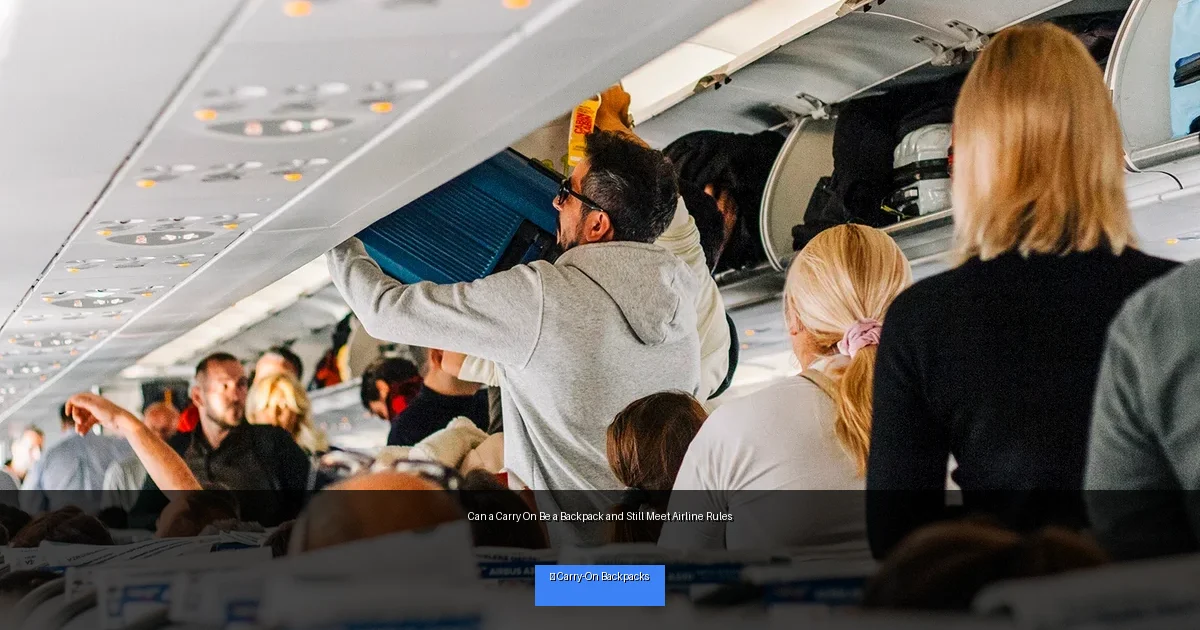
Visual guide about Can a Carry On Be a Backpack and Still Meet Airline Rules
Image source: thepointsguy.global.ssl.fastly.net
Know the Typical Size Restrictions
Most airlines allow carry-on bags up to about 22 x 14 x 9 inches (56 x 36 x 23 cm), including handles and wheels. Backpacks that fit within this size usually qualify as carry-ons.
Weight Limits to Consider
Some airlines have weight limits for carry-ons, often between 15 to 22 pounds (7 to 10 kg). Even if your backpack fits size-wise, overpacking and exceeding weight limits can mean you have to check your bag.
Check Airline Websites
Always visit your airline’s official website for the most accurate carry-on policies. Policies can differ for domestic vs. international flights and by airline class.
Step 2: Choose the Right Carry-On Backpack
Not all backpacks are created equal when it comes to carry-on travel. Here’s what to look for:
Size and Expandability
- Pick a backpack close to the maximum allowed dimensions.
- Some backpacks have expandable compartments but be careful—expanded size may exceed limits.
Structure and Compartments
- Look for semi-rigid backpacks that hold their shape to protect contents and fit better in bins.
- Multiple compartments help organize your items and allow easy access during security checks.
Comfort Features
- Choose padded straps and breathable back panels for comfort during long walks.
- Chest or waist straps help distribute weight.
TSA-Friendly Designs
- Some backpacks open flat with a clamshell design to speed security screening.
- Look for TSA-approved locks or compartments.
Step 3: Pack Your Carry-On Backpack Efficiently
Packing smart is key to meeting size and weight restrictions.
Use Packing Cubes
Packing cubes compress clothes and keep items organized. They also help you avoid overpacking.
Limit Bulky Items
Avoid packing heavy shoes and bulky jackets in your carry-on. Wear or carry them instead.
Pack Versatile Clothing
Bring clothes you can layer and mix-and-match to reduce the number of items.
Organize Tech and Essentials
Keep laptops, tablets, chargers, and travel documents in easily accessible compartments.
Follow Liquid Rules
Remember the TSA’s 3-1-1 rule for liquids: containers 3.4 ounces (100 ml) or less, in one quart-sized bag.
Step 4: Prepare for Security and Boarding
Security Screening Tips
- Use backpacks that open flat for smoother TSA checks.
- Keep liquids and electronics accessible for removal.
- Remove laptops and tablets if required.
Boarding and Overhead Bin Tips
- Place your backpack in the overhead bin handle-first to maximize space.
- If bins fill up, some backpacks fit nicely under the seat in front.
- Always board early if you want overhead bin space.
Troubleshooting Common Issues
My Backpack Feels Too Heavy
Remove non-essential items or wear heavier clothing on the plane. Use lightweight travel gear.
Backpack Doesn’t Fit in Overhead Bin
Try rearranging items to make the bag more compact or place it under the seat if allowed.
Airline Staff Says My Backpack Is Too Big
Politely ask for size confirmation, measure your backpack, and if necessary, check the bag to avoid delays.
Conclusion
A carry on can absolutely be a backpack and still meet airline rules if you choose the right backpack, pack smartly, and follow airline size and weight limits. Backpacks offer great convenience and are perfect for travelers on the go. By following the steps in this guide, you’ll breeze through check-in and security while enjoying hands-free travel. Happy flying!
🎥 Related Video: Can You Use a Backpack as a Carry-on?
📺 TravelClosely
Read more on the blog: https://travelclosely.com/2023/03/04/use-backpack-as-a-carry-on/ Wondering if you can use a backpack …