What Is Carry On Backpack Size and How to Choose the Best One
Carry on backpack size is key for stress-free travel. This guide explains the standard dimensions, how to pick the right backpack, and tips to maximize your packing. Whether you’re a frequent flyer or a casual traveler, choosing the best carry on backpack ensures convenience and comfort on every trip.
Key Takeaways
- Standard carry on backpack size: Typically around 22 x 14 x 9 inches but varies by airline.
- Check airline policies: Each airline has its own size limits for carry on bags.
- Consider capacity: Choose a backpack with enough volume (20-40 liters) for your trip length.
- Look for comfort features: Padded straps and back support improve carrying ease.
- Choose durable materials: Lightweight but strong fabrics last longer and weigh less.
- Organizational compartments: Help keep your belongings tidy and accessible.
- Test the fit: Try the backpack on before buying to ensure it suits your body and style of travel.
What Is Carry On Backpack Size and How to Choose the Best One
When planning your next trip, one of the most important decisions is what kind of bag to bring. If you want to keep things simple and avoid checked luggage fees, a carry on backpack is a perfect choice. But what exactly is the carry on backpack size, and how do you pick the best one for your needs? In this guide, you’ll learn everything about carry on backpack dimensions, airline rules, packing tips, and features you should look for to travel smart and light.
Understanding Carry On Backpack Size
Before buying, you need to understand what qualifies as a carry on backpack size. Airlines have limits to ensure your bag fits in overhead compartments or under the seat in front of you. These size restrictions can vary, but there are common standards.
Visual guide about What Is Carry On Backpack Size and How to Choose the Best One
Image source: backpackswizard.com
Standard Dimensions
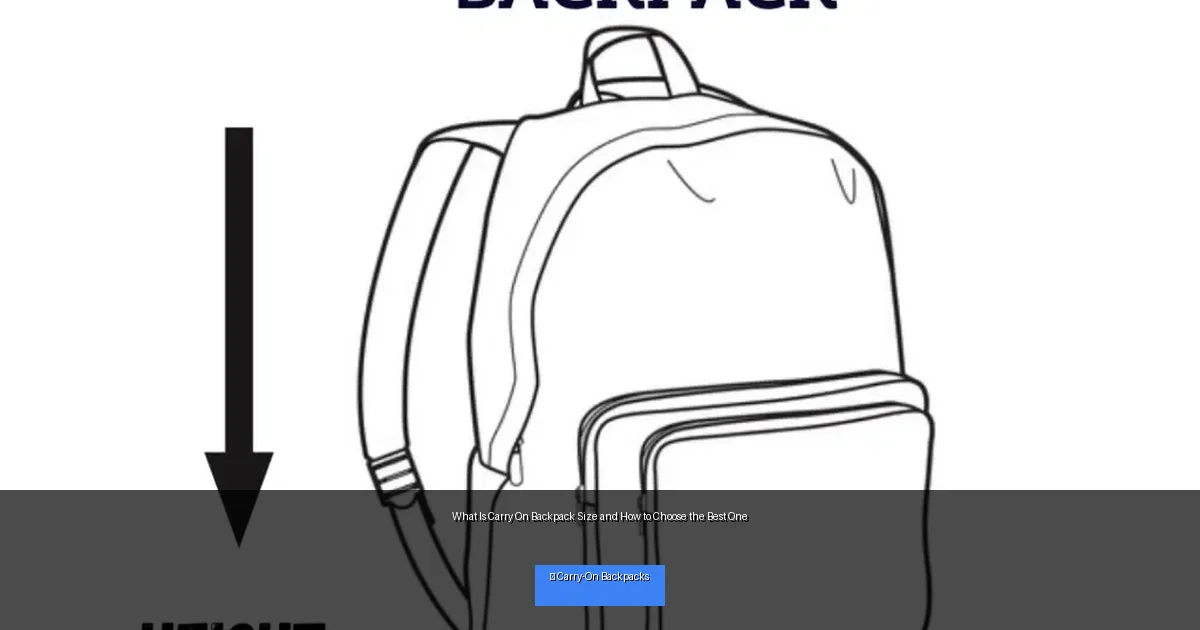
The most common carry on backpack size allowed by airlines is approximately 22 inches (height) x 14 inches (width) x 9 inches (depth). This size fits most overhead bins and is generally accepted worldwide. However, some budget airlines or international carriers may have smaller limits.
Volume Capacity
Besides dimensions, the volume of the backpack matters. Carry on backpacks usually range from 20 to 40 liters. A 20-liter pack is great for short trips or minimalist travelers. If you need more space, aim for 30-40 liters, but be mindful of the size limits.
Why Size Matters
- Airline compliance: Avoid fees or having to check your bag.
- Convenience: Easy to carry and store in cabins.
- Comfort: Proper size means better weight distribution and less strain.
Step 1: Check Your Airline’s Carry On Size Restrictions
Every airline has its own rules. Before shopping, visit your airline’s website to find their maximum carry on backpack size. Some may allow slightly larger bags; others are strict. Here’s what to look for:
Where to Find Size Info
- Official airline website: Look under baggage policies.
- Customer service: Call or chat for clarification.
- Travel forums: Real traveler experiences can help.
Example Airline Sizes
- Delta Airlines: 22 x 14 x 9 inches
- Southwest: 24 x 16 x 10 inches
- Ryanair: 21.6 x 15.7 x 7.8 inches (smaller)
Step 2: Determine Your Needs and Packing Style
Think about what you usually pack and how long your trips are. This helps decide the right backpack size and features.
Trip Duration
- Weekend trips: 20-25 liters usually suffice.
- 1-week trips: 30-40 liters recommended.
- Longer trips: May need larger bags but risk airline restrictions.
Packing Style
- Minimalist packers: Smaller backpacks work well.
- Organized travelers: Backpacks with multiple compartments help.
- Tech users: Look for padded laptop sleeves and tech pockets.
Step 3: Choose Key Backpack Features
Not all backpacks are created equal. Features impact comfort, usability, and durability.
Comfort and Fit
- Padded shoulder straps: Reduce strain on shoulders.
- Back padding: Enhances airflow and support.
- Chest and waist straps: Help distribute weight evenly.
Durability
- Material: Look for nylon, polyester, or ripstop fabrics that are water-resistant.
- Zippers and hardware: Choose sturdy, smooth-operating zippers.
Organization
- Multiple compartments: Keep items separated and easy to find.
- Laptop sleeve: Protects electronics during travel.
- External pockets: Offer quick access to essentials.
Style and Appearance
Pick a style that matches your personality but also looks professional if you travel for work.
Step 4: Measure Before You Buy
Always measure the backpack before purchase. Use a tape measure and include any external pockets or wheels if applicable.
How to Measure
- Height: Measure from bottom to top.
- Width: Measure the widest part.
- Depth: Measure the thickness at the deepest point.
If buying online, check detailed product specs and read user reviews for size accuracy.
Step 5: Pack and Test Your Backpack
Once you have your backpack, pack it like you would for a trip. This helps test capacity and comfort.
Packing Tips
- Roll clothes to save space.
- Use packing cubes for organization.
- Place heavy items close to your back.
Test Carrying
Wear the backpack for a few minutes. Adjust the straps and see if it feels balanced and comfortable.
Troubleshooting Common Issues
Backpack Too Large for Airline
If your backpack is slightly too big, try compressing soft items or removing external attachments. Otherwise, consider a smaller model.
Uncomfortable Fit
Adjust straps or use additional padding inserts. If discomfort persists, a different backpack design may suit you better.
Insufficient Space
Review your packing list and remove non-essential items. Opt for backpacks with expandable compartments if you need flexibility.
Conclusion
Choosing the right carry on backpack size is essential for smooth, hassle-free travel. By understanding airline size limits, assessing your packing needs, and focusing on comfort and durability, you can find the perfect backpack to keep your belongings safe and accessible. Remember to measure carefully and test your backpack before your trip. With the right carry on backpack, travel becomes easier, lighter, and more enjoyable.