How to Carry Snowshoes on Backpack for Easy Winter Hiking
Carrying snowshoes on a backpack is essential for winter hikers who want to keep their hands free and move comfortably. This guide shows you simple, effective methods to attach your snowshoes securely, ensuring easy access and balanced weight distribution for a fun and safe hiking experience.
Key Takeaways
- Choose the right backpack: Pick one with straps or daisy chains for easy snowshoe attachment.
- Secure attachment: Use straps or bungee cords to fasten snowshoes tightly to prevent shifting while hiking.
- Positioning matters: Attach snowshoes on the back or side to keep balance and comfort.
- Protect your gear: Use snowshoe bags or covers to avoid damage and keep your backpack clean.
- Practice packing: Try different methods before hitting the trail to find what works best for you.
- Maintain accessibility: Attach snowshoes where you can reach them easily when needed.
- Check stability regularly: Adjust straps during breaks to ensure your snowshoes stay secure.
How to Carry Snowshoes on Backpack for Easy Winter Hiking
Winter hiking is a thrilling adventure, but carrying snowshoes can sometimes be tricky. Whether you’re trekking through deep snow or planning to switch between hiking and snowshoeing, knowing how to carry snowshoes on your backpack is a must. In this guide, you’ll learn simple and practical ways to attach your snowshoes to your backpack, keeping your hands free and your hike comfortable.
Why Carry Snowshoes on Your Backpack?
Carrying snowshoes on your backpack frees up your hands and allows you to hike on clear trails without dragging your snowshoes or holding them. It also helps prevent damage to the snowshoes and keeps your gear organized. With the right technique, you can keep your snowshoes secure, balanced, and accessible.
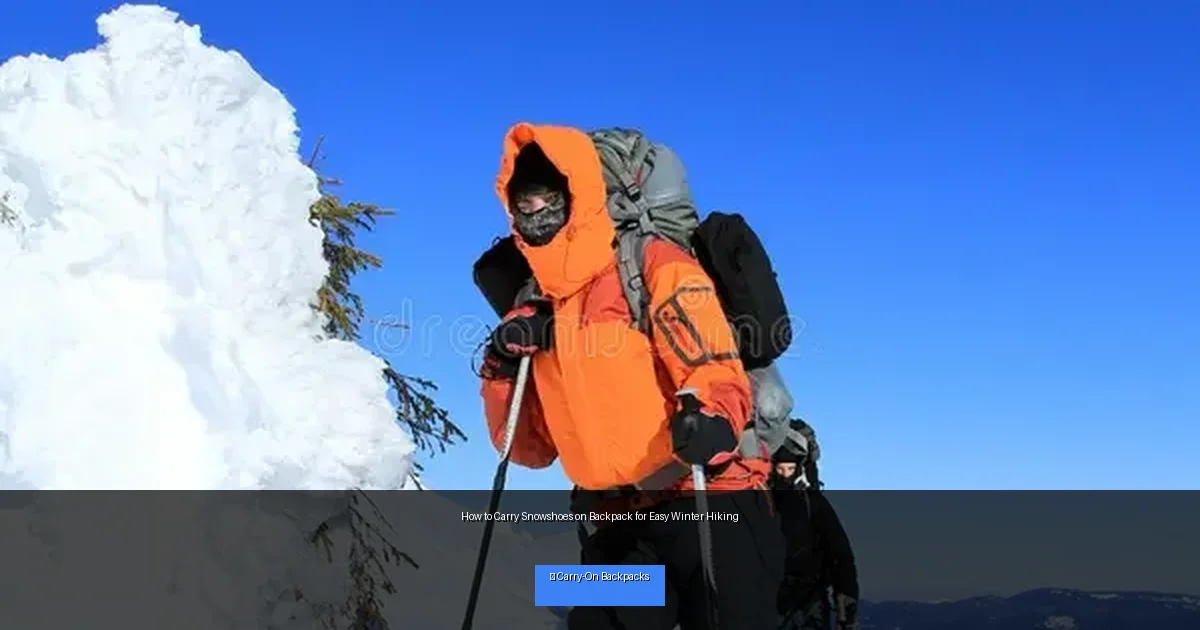
Visual guide about How to Carry Snowshoes on Backpack for Easy Winter Hiking
Image source: thumbs.dreamstime.com
Step 1: Choose the Right Backpack
Not all backpacks are designed to carry snowshoes. Look for backpacks with these features:
- External straps: Adjustable straps on the sides or front help secure snowshoes.
- Daisy chains or loops: These allow you to clip or tie your snowshoes easily.
- Durable material: Strong fabric and reinforced areas protect against sharp crampons on snowshoes.
Popular hiking backpacks often have these features, but if your pack doesn’t, you can use additional straps or bungee cords.
Step 2: Prepare Your Snowshoes for Attachment
Clean Off the Snow
Before attaching, brush off loose snow and ice. Wet snow can freeze and damage your backpack or other gear.
Use Snowshoe Bags or Covers
Consider using protective covers. These prevent sharp parts from scratching your backpack and keep dirt away.
Step 3: Attach Snowshoes to Your Backpack
Method 1: Vertical Attachment on the Back
- Position the snowshoes vertically along the back panel.
- Align the bindings toward the center to protect the straps and avoid snagging.
- Use the backpack’s compression straps or extra webbing to secure the snowshoes firmly.
Method 2: Horizontal Attachment on the Side
- Place the snowshoes flat against one side of the backpack.
- Secure them using the side compression straps or daisy chains.
- This method keeps the back free and can be easier to access.
Method 3: Using Carabiners and Daisy Chains
- Hook carabiners through the snowshoe frames and attach to backpack loops.
- Use adjustable cords or straps to prevent swinging.
- This is quick and adjustable for different snowshoe sizes.
Step 4: Balance and Comfort Check
After attaching your snowshoes, put on the backpack and walk a few steps. Check for:
- Even weight distribution
- No excessive swinging or movement
- No interference with your arms or waist movement
Adjust straps as needed to improve balance and comfort.
Step 5: Tips for Easy Access and Safety
- Keep snowshoes on the side if you plan to switch often. This way, you can grab them quickly without removing the backpack.
- Secure sharp crampons away from your body. Position them facing outward or cover with padding.
- Double-check strap tightness every hour. Snowshoes can loosen as you hike.
- Practice attaching snowshoes before your trip. This saves time and frustration on the trail.
Troubleshooting Common Issues
Snowshoes Shift or Swing While Hiking
If your snowshoes move too much, tighten the straps and add bungee cords for extra security. You can also place a small foam pad between the backpack and snowshoes to reduce movement.
Backpack Feels Unbalanced
Try switching the snowshoes to the other side or reposition them vertically. Sometimes swapping sides balances the load better.
Snowshoes Damage Backpack Fabric
Use snowshoe covers or wrap sharp edges with cloth or tape to protect your pack.
Conclusion
Carrying snowshoes on your backpack doesn’t have to be complicated. With the right backpack, proper attachment techniques, and a little practice, you can keep your snowshoes secure and accessible during winter hikes. This makes your adventure more enjoyable and allows you to switch between hiking and snowshoeing easily. Try these methods on your next trip and enjoy the freedom of hands-free hiking in the snow!