How to Carry Skis on Backpack for Easy and Safe Transport
Carrying skis on your backpack can be simple and secure with the right technique. This guide shows you how to carry skis on a backpack to ensure easy transport while protecting your gear. Follow our tips for a comfortable, safe ski trip every time.
Key Takeaways
- Choose the right backpack: Select a backpack with ski-carrying features or attachment points designed for skis.
- Position skis correctly: Align skis properly on your backpack to balance weight and prevent damage.
- Secure skis tightly: Use straps or clips to keep skis stable and avoid shifting during movement.
- Protect your gear: Use padding or ski skins to prevent scratches and wear on skis and backpack.
- Practice safe carrying: Adjust straps and posture to maintain comfort and reduce strain on your body.
- Troubleshoot common issues: Learn how to handle loose skis or discomfort while carrying.
- Maintain your equipment: Regularly check straps and backpack condition for reliable transport.
Introduction
Carrying skis on your backpack might seem tricky at first, but with the right method, it becomes easy and safe. Whether you’re hiking up a mountain or commuting to the slopes, knowing how to carry skis on a backpack helps protect your gear and keeps you comfortable. In this guide, you’ll learn step-by-step how to attach your skis securely, tips for choosing the right backpack, and how to avoid common problems while carrying your skis. Let’s get started!
Step 1: Choose the Right Backpack
Not all backpacks are made equal when it comes to carrying skis. Before you attach your skis, make sure your backpack is suitable.
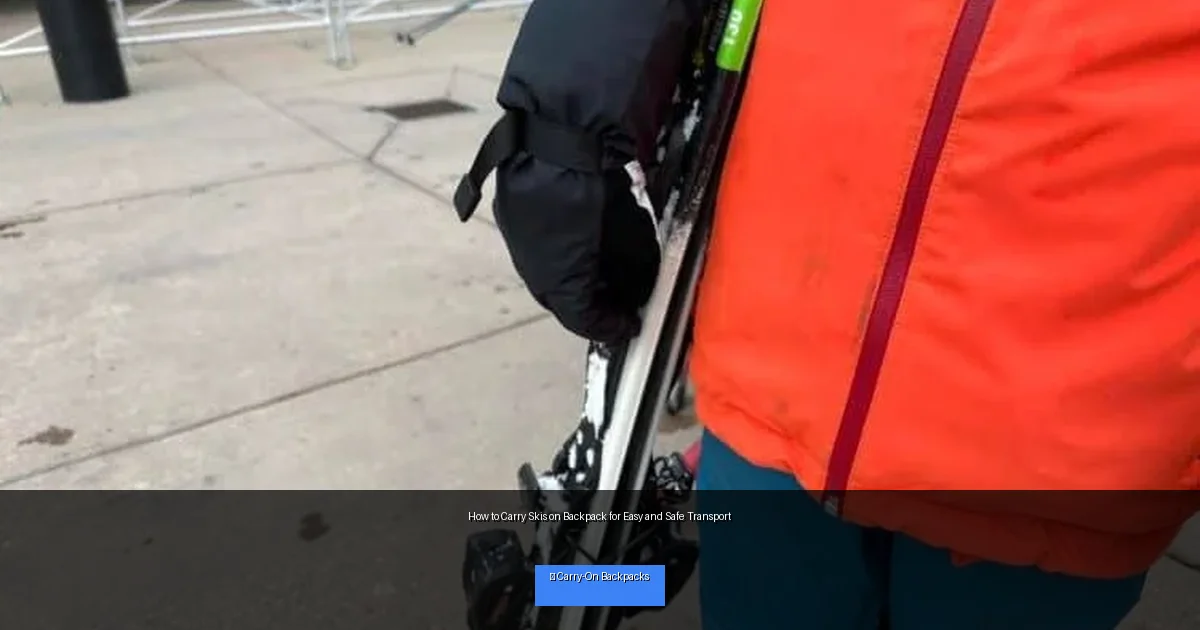
Visual guide about How to Carry Skis on Backpack for Easy and Safe Transport
Image source: skiingkid.com
Look for Ski-Carrying Features
- Check if your backpack has dedicated ski straps or loops.
- Look for reinforced attachment points strong enough to hold skis.
- Consider backpacks designed specifically for winter sports or mountaineering.
Consider Size and Weight
Your backpack should fit comfortably and carry your gear without excessive bulk. A medium-sized backpack with adjustable straps works best for most skiers.
Step 2: Prepare Your Skis and Backpack
Before securing your skis, prepare both your gear and backpack for the best fit.
Clean and Dry Your Skis
Remove snow, ice, and dirt to avoid slipping and damage. Dry skis prevent moisture from soaking your backpack.
Protect Your Skis
- Use ski skins or sleeves to cover sharp edges and prevent scratches.
- Wrap bindings with padding or cloth if necessary.
Adjust Your Backpack Straps
Loosen straps to make attaching skis easier. This also allows you to tighten them securely once skis are in place.
Step 3: Position Your Skis on the Backpack
Proper placement of skis helps balance weight and prevents damage.
Choose the Carrying Style
- A-Frame Carry: Skis crossed in an “A” shape on the side of the backpack.
- Diagonal Carry: Skis attached diagonally across the back.
- Vertical Carry: Skis placed straight up and down on the back.
The diagonal carry is the most common for ease and balance.
Align Skis Correctly
- Make sure ski bases face outwards to avoid damage to bindings.
- Position skis so tips don’t stick out awkwardly.
- Keep skis close to the backpack to reduce sway.
Step 4: Secure the Skis Tightly
Use straps or clips to hold skis firmly in place.
Attach Straps Around Skis
- Wrap straps over skis at multiple points: near bindings and tips.
- Use cam buckles or Velcro for a tight fit.
- Double-check that straps don’t pinch or damage ski edges.
Use Additional Clips or Bungee Cords
If your backpack doesn’t have built-in ski straps, use bungee cords or carabiners to attach skis securely.
Step 5: Adjust Backpack and Check Comfort
After attaching skis, wear your backpack and make necessary adjustments for comfort and safety.
Tighten Shoulder Straps
Ensure the backpack sits snugly on your back. Loose straps can cause shifting and discomfort.
Use Hip and Chest Straps
These straps help distribute weight evenly and stabilize the load.
Check Ski Stability
Try moving around to ensure skis do not wiggle or rub against your body.
Practical Tips and Examples
- If you are hiking through trees, use the A-frame carry to avoid tips catching on branches.
- For longer treks, add padding between skis and backpack for extra comfort.
- Label your skis with bright tape if carrying in crowded areas to avoid mix-ups.
Troubleshooting Common Issues
Skis Shifting While Walking
Retighten straps and add an extra strap if possible. Check that skis are close to your back.
Discomfort or Pain in Shoulders
Adjust hip and chest straps to redistribute weight. Consider a backpack with better padding or load support.
Damage to Skis or Backpack
Use protective ski sleeves and avoid over-tightening straps which can cause scratches or dents.
Conclusion
Knowing how to carry skis on a backpack makes your ski trips easier and your gear safer. By choosing the right backpack, preparing your skis, positioning them correctly, and securing them tightly, you can enjoy hassle-free transport. Remember to adjust your backpack for comfort and troubleshoot any issues quickly. With these simple steps, you’re ready for your next adventure on the slopes!