How Big Can A Carry On Backpack Be Find The Perfect Size Guide
Wondering how big a carry on backpack can be? This guide covers airline size limits, choosing the ideal backpack size, and practical tips to pack efficiently. Find the perfect carry on backpack size to breeze through airport security and travel comfortably.
Key Takeaways
- Carry on size limits vary: Airlines have different maximum dimensions for carry on backpacks.
- Standard max size: Most airlines allow backpacks up to 22 x 14 x 9 inches.
- Capacity matters: 30-45 liters is ideal for a carry on backpack.
- Check airline rules: Always verify your airline’s carry on size before traveling.
- Choose lightweight and durable materials: This helps maximize packing space and comfort.
- Packing smart: Use packing cubes and compression bags to fit more in your backpack.
- Test your backpack: Try fitting it in overhead bins or airline sizers before your trip.
How Big Can A Carry On Backpack Be? Find The Perfect Size Guide
Traveling with a carry on backpack is convenient and efficient, but knowing how big a carry on backpack can be is key to avoiding hassles at the airport. In this guide, you’ll learn about airline size restrictions, how to pick the right backpack size, and tips to pack smart. Whether you’re a frequent flyer or planning a weekend getaway, this information will help you find the perfect carry on backpack to suit your needs.
Step 1: Understand Airline Carry On Size Restrictions
Every airline sets its own rules for carry on baggage size. Knowing these limits ensures your backpack fits the rules and avoids extra fees.
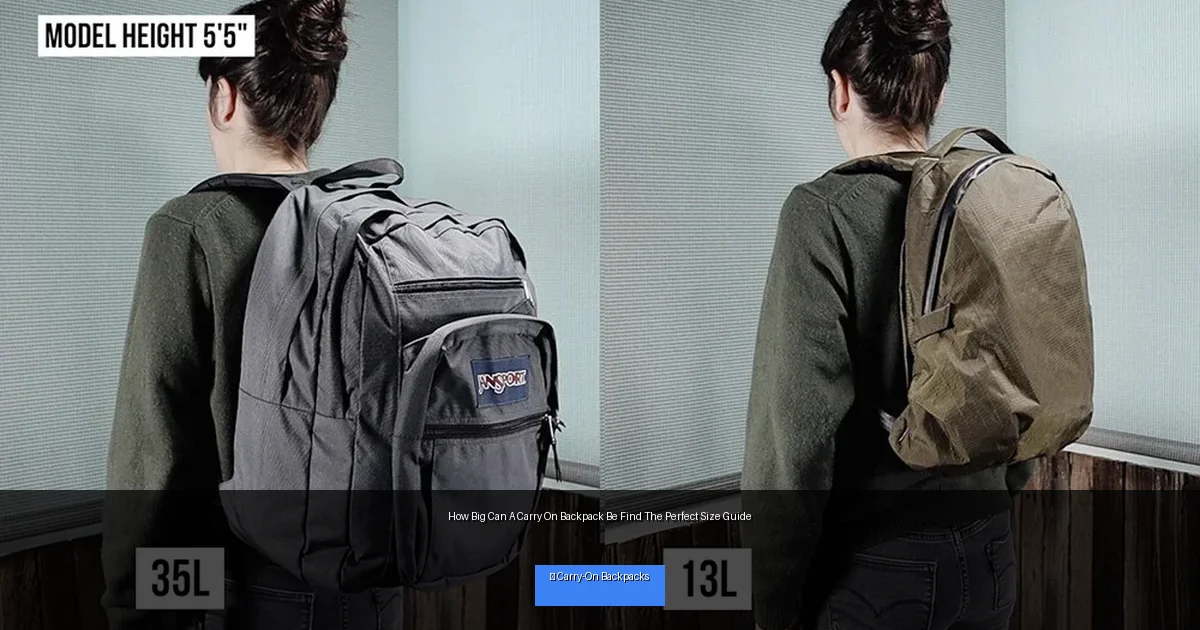
Visual guide about How Big Can A Carry On Backpack Be Find The Perfect Size Guide
Image source: images.squarespace-cdn.com
Common Size Limits
- Most U.S. airlines allow carry on bags up to 22 inches (height) x 14 inches (width) x 9 inches (depth).
- European carriers may have slightly smaller limits, often close to 21.5 x 15.7 x 9 inches.
- Some budget airlines have stricter size rules, sometimes as small as 20 x 12 x 8 inches.
Tip: Always check your specific airline’s website for the most accurate carry on size limits before packing.
Why Size Restrictions Matter
These size restrictions are in place so your bag fits in overhead bins or under the seat in front of you. Oversized bags may be gate-checked, causing delays and inconvenience.
Step 2: Choose The Right Carry On Backpack Size
Once you know the airline limits, look for backpacks that fit within those dimensions but still have enough space for your items.
Ideal Dimensions
- Height: Around 20-22 inches
- Width: 13-14 inches
- Depth: 7-9 inches
These dimensions balance capacity with airline compliance.
Capacity in Liters
Backpack volume is measured in liters. For carry on use, aim for backpacks between 30 to 45 liters. This size lets you pack essentials without exceeding size limits.
Step 3: Consider Your Travel Needs
Your travel style affects the best backpack size.
Short Trips (1-3 days)
A 30-liter backpack is usually enough. It fits clothes, a small toiletry kit, and a few extras.
Longer Trips (4-7 days)
Look for a 40-45 liter backpack with smart compartments to stay organized.
Business Travel
Choose backpacks with laptop sleeves and easy-access pockets for documents and gadgets.
Step 4: Look for Features That Maximize Space
Size isn’t just about dimensions — smart design helps you pack more efficiently.
Compression Straps
They help reduce bulk by tightening the backpack after packing.
Multiple Compartments
Separate your gear to keep things organized and easy to find.
Expandable Sections
Some backpacks have zippered expansions to add extra space when needed.
Step 5: Pack Smart To Fit More
Even the perfect backpack needs smart packing.
Use Packing Cubes
These help compress clothes and organize items neatly.
Roll Clothes Instead of Folding
Rolling saves space and reduces wrinkles.
Limit Non-Essentials
Pack only what you need to avoid overstuffing your backpack.
Troubleshooting: What If My Backpack Is Too Big?
If your backpack exceeds airline size limits, try these solutions:
- Remove non-essential items to reduce bulk.
- Switch to a smaller backpack designed for carry on use.
- Use compression bags or packing cubes to shrink your packed size.
- Check if your airline allows gate-checking or paying for checked baggage as a last resort.
Always test your backpack by placing it in an overhead bin or using a luggage sizer at home before your trip.
Conclusion
Understanding how big a carry on backpack can be is essential for stress-free travel. Start by checking airline size limits, then pick a backpack that fits within those dimensions while offering enough capacity for your trip. Use smart packing techniques and choose features that maximize space. With the right backpack and packing strategy, you’ll breeze through airports and enjoy your travels with ease.