Can You Have Carry On Luggage and a Backpack on Flights Explained
Wondering if you can have carry on luggage and a backpack on flights? This guide explains airline policies, what counts as a personal item, and tips to pack smart. Travel lighter and smarter by understanding how to bring both without extra fees.
Key Takeaways
- Most airlines allow one carry on bag and one personal item: Typically, a suitcase plus a backpack or purse.
- Backpacks usually qualify as personal items: If they fit under the seat, you can bring them along with carry on luggage.
- Size and weight limits vary by airline: Check specific airline rules before packing.
- Packing efficiently helps avoid overweight or oversized fees: Use a backpack for essentials and a carry on for clothes.
- Some budget airlines are stricter: They may charge for carry on bags or personal items beyond one free item.
- Organizing your backpack smartly improves convenience: Keep important items easily accessible during your flight.
- Always verify airline policies before your trip: Rules can change, so stay updated to avoid surprises at the gate.
Can You Have Carry On Luggage and a Backpack on Flights Explained
Traveling can be stressful, especially when it comes to packing and airline baggage rules. One common question is: can you have carry on luggage and a backpack on flights? The answer isn’t always straightforward because it depends on the airline and their specific policies. In this guide, you’ll learn everything you need to know about bringing both a carry on suitcase and a backpack on your flight. We’ll cover airline rules, packing tips, and how to make the most of your carry-on allowance.
Step 1: Understand Airline Carry-On and Personal Item Policies
What Airlines Typically Allow
Most airlines allow passengers to bring one carry on bag plus one personal item onboard. The carry on bag is usually a small suitcase or roller bag that fits in the overhead bin. The personal item can be a backpack, purse, laptop bag, or similar item that fits under the seat in front of you.
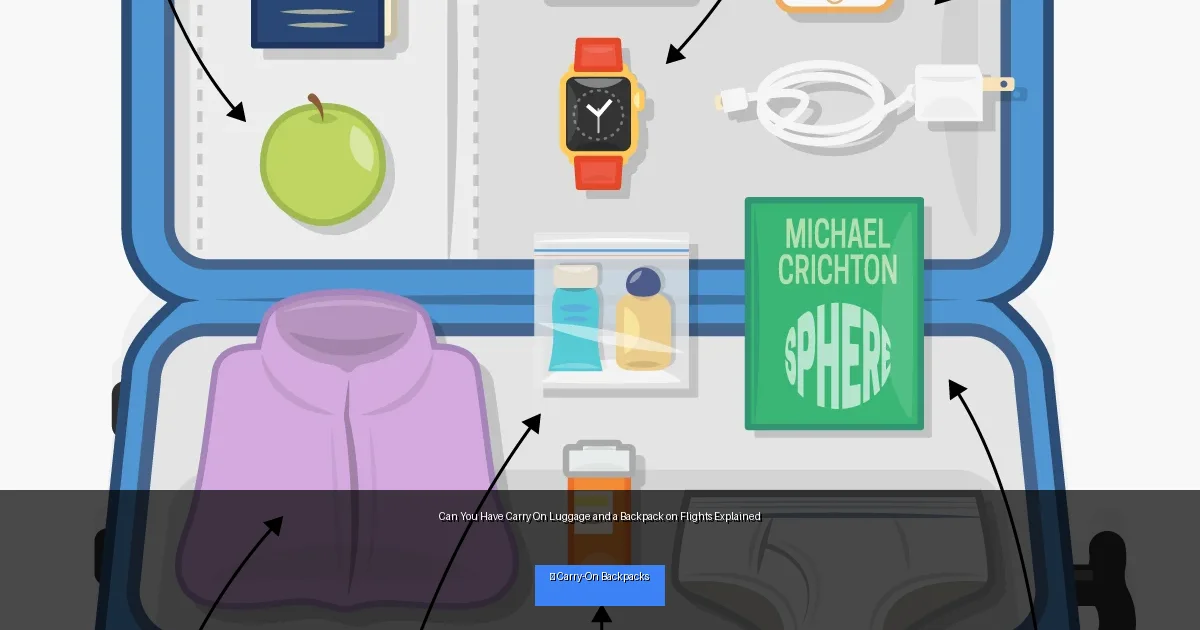
Visual guide about Can You Have Carry On Luggage and a Backpack on Flights Explained
Image source: static1.businessinsider.com
Why a Backpack Counts as a Personal Item
Backpacks are commonly considered personal items because they are compact and easy to stow under the seat. This means you can bring a backpack in addition to your carry on suitcase. However, size matters — the backpack must fit within the airline’s personal item dimensions.
Check Specific Airline Rules
Each airline has its own size and weight limits for carry on bags and personal items. For example, some airlines allow carry on bags up to 22 x 14 x 9 inches, while personal items might be limited to 18 x 14 x 8 inches. Budget airlines may be stricter or charge fees for carry ons or personal items. Always check your airline’s website before flying.
Step 2: Measure and Choose the Right Carry On and Backpack
Measure Your Carry On Luggage
Use a tape measure to check the dimensions of your suitcase including wheels and handles. Make sure it fits within your airline’s allowed carry on limits.
Choose a Backpack That Qualifies as a Personal Item
Select a backpack that is compact and designed for travel. Many carry-on backpacks are specifically sized to meet airline personal item restrictions. A travel backpack with multiple compartments can help you stay organized.
Test the Fit
If possible, test packing your backpack and carry on together. Can the backpack fit under the airline seat? If yes, you’re good to go!
Step 3: Pack Smartly to Maximize Your Carry On Allowance
Distribute Weight and Items Wisely
Put heavier or bulkier items in your carry on suitcase. Use your backpack for items you’ll need during the flight, like electronics, snacks, documents, and a change of clothes.
Use Packing Cubes or Organizers
Organizers help you separate items and make packing and unpacking easier. They also help compress clothes to fit more in your suitcase.
Keep Important Items Accessible
Make sure your backpack has easy-to-reach pockets for your boarding pass, passport, phone, and chargers.
Step 4: Know When Airlines May Limit Carry On Items
Budget Airlines and Strict Policies
Some budget airlines, like Spirit or Ryanair, may charge fees for carry on bags or personal items. In some cases, only one free personal item is allowed, and any additional bags require payment.
International vs Domestic Flights
International flights sometimes have stricter baggage rules. Always verify rules based on your specific itinerary.
Overhead Bin Space Limitations
If the flight is full, gate agents might require you to check your carry on luggage. Keep your backpack as your personal item to avoid losing essential items.
Step 5: Tips for Traveling with Both Carry On Luggage and a Backpack
- Label your bags clearly: Use tags with your contact information.
- Wear your backpack on the plane: This frees your hands and keeps your personal item secure.
- Pack a lightweight backpack: Avoid overpacking to keep your carry on weight under limits.
- Use a backpack with padded straps: For comfort when walking through airports.
- Keep liquids and electronics in your backpack: Makes security screening easier.
Troubleshooting Common Issues
What if My Backpack Is Too Big?
If your backpack exceeds personal item dimensions, airlines may count it as your carry on bag. You may need to check your suitcase or pay fees. Consider downsizing your backpack or switching to a smaller travel bag.
What Happens If My Carry On Is Overweight?
Many airlines have weight limits for carry on bags. If your suitcase is overweight, you might be asked to check it or pay an overweight baggage fee. Distribute weight between your backpack and carry on to avoid this.
Can I Bring More Than One Personal Item?
Most airlines only allow one personal item plus one carry on bag. Exceptions are rare and typically for special items like medical equipment. Trying to bring multiple backpacks may result in extra fees.
Conclusion
Now you know the answer to the common question: can you have carry on luggage and a backpack on flights? In most cases, yes! Airlines usually allow one carry on suitcase plus one personal item, which can be a backpack. The key is to understand airline size and weight limits and pack smartly. By choosing the right backpack and suitcase, and organizing your items efficiently, you can travel comfortably without extra baggage fees. Always check your airline’s policies before your trip to avoid surprises. Happy travels!