Can You Have a Carry On Suitcase and a Backpack on Flights
Wondering if you can bring both a carry on suitcase and a backpack on flights? This guide breaks down airline policies, packing tips, and how to maximize your carry-on allowance. Travel smarter and breeze through airport security with ease.
Key Takeaways
- Most airlines allow one carry on suitcase and one personal item like a backpack: But size and weight limits vary by airline.
- Check your airline’s specific baggage rules before packing: To avoid fees and delays at the airport.
- Use a backpack as your personal item: It fits under the seat and carries essentials.
- Pack efficiently to stay within carry-on size limits: Use organizers and pack only what you need.
- Be mindful of security rules: Liquids, electronics, and prohibited items have restrictions.
- Consider airline status or credit cards for extra baggage perks: These can let you bring additional carry-ons.
- Travel light and plan ahead: To save time, money, and reduce stress.
Can You Have a Carry On Suitcase and a Backpack on Flights?
Traveling can be a breeze when you know the rules about what bags you can bring onboard. One common question is whether you can carry both a suitcase and a backpack on a flight. In this guide, you’ll learn airline policies, smart packing strategies, and tips to make your airport experience smoother.
Step 1: Understand Airline Carry-On Policies
Every airline sets its own rules for carry-on luggage. Usually, you’re allowed one carry-on suitcase plus one personal item. A backpack often counts as your personal item, but it must fit under the seat in front of you.
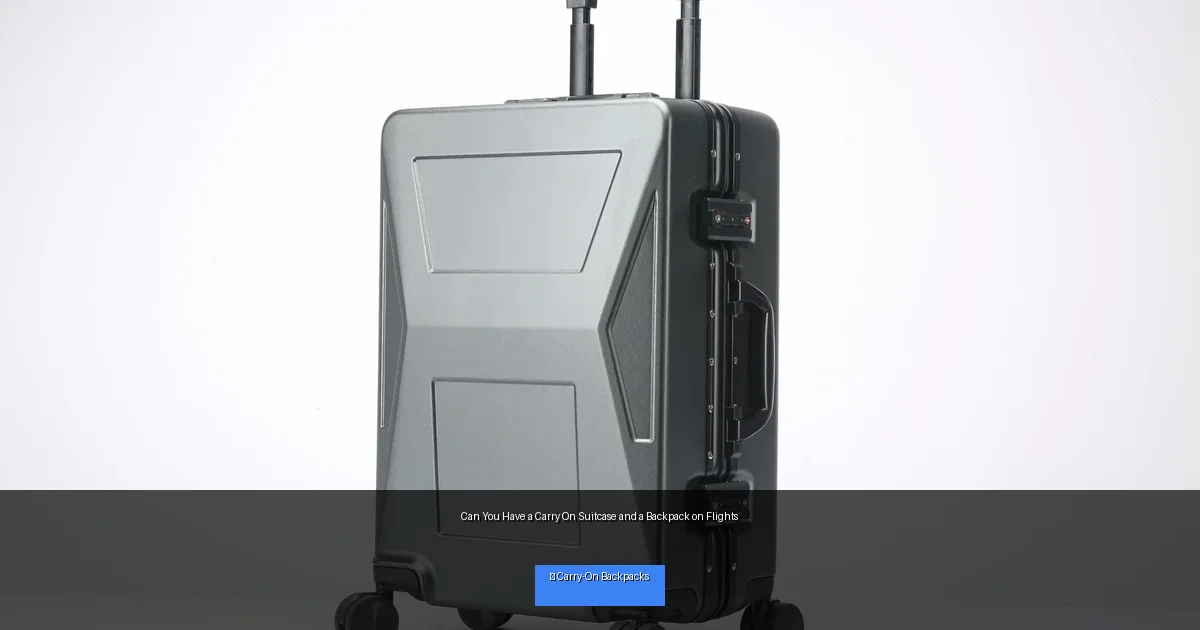
Visual guide about Can You Have a Carry On Suitcase and a Backpack on Flights
Image source: cyberbackpack.com
Check Size and Weight Limits
- Carry-on suitcase: Typically around 22 x 14 x 9 inches (56 x 36 x 23 cm).
- Personal item (like a backpack): Usually must fit under the seat, about 18 x 14 x 8 inches (45 x 35 x 20 cm).
- Weight restrictions: Some airlines have weight limits, while others focus on size.
Always verify these details on your airline’s website before packing.
Examples of Airline Policies
- American Airlines: One carry-on bag and one personal item allowed free.
- Delta Airlines: Same as above, personal item can be a backpack.
- Southwest Airlines: One carry-on plus one personal item, both free.
- Budget airlines: Often charge fees or restrict carry-ons strictly.
Step 2: Choose the Right Backpack as Your Personal Item
Not all backpacks qualify as personal items. To avoid problems at the gate, pick a backpack that fits airline size requirements and is easy to carry.
Features to Look For
- Compact size: Fits under the seat without bulging.
- Lightweight design: Keeps your overall baggage weight down.
- Multiple compartments: Helps organize electronics, documents, and snacks.
- Comfortable straps: Important for long walks through the airport.
Popular Carry-On Backpacks
- Nomatic Navigator Backpack
- Samsonite Xenon 3.0
- Osprey Daylite Plus
- Hynes Eagle Flight Approved Backpack
These backpacks are designed with travel in mind and meet airline requirements.
Step 3: Pack Smart for Both Bags
Packing efficiently helps you avoid overweight fees and makes your travel more comfortable. Here are some tips to maximize your carry on suitcase and backpack.
Tips for Your Carry-On Suitcase
- Roll clothes: Saves space and reduces wrinkles.
- Use packing cubes: Keep items organized and compressable.
- Limit shoes: Bring versatile pairs only.
- Place heavy items at the bottom: Keeps the bag balanced.
Tips for Your Backpack
- Keep essentials handy: Passport, wallet, phone, chargers.
- Pack electronics carefully: Use padded compartments.
- Include a small toiletry bag: Follow liquid restrictions.
- Bring snacks and entertainment: For the flight and layovers.
Step 4: Navigate Airport Security with Two Bags
Security screening can be faster if you prepare properly. Here’s how to breeze through with a carry on suitcase and backpack.
Security Tips
- Liquids: Place liquids in a clear quart-sized bag inside your backpack or suitcase.
- Electronics: Laptops and tablets usually need to be removed from your backpack.
- Wear easy-to-remove shoes: For quick security checks.
- Have your boarding pass and ID ready: To speed up the process.
Step 5: Troubleshooting Common Problems
What If My Backpack Is Too Big?
You may be asked to check it or pay a fee. To avoid this, measure your backpack before you travel or choose a smaller one.
What If My Carry-On Suitcase Is Overweight?
Redistribute items between your backpack and suitcase if possible. Otherwise, be prepared to pay fees or check the bag.
Can I Bring Both Bags on Budget Airlines?
Budget airlines often have stricter rules. Check before booking and consider only one bag or paying for extra carry-ons.
Step 6: Extra Tips for Stress-Free Travel
- Arrive early: Gives you time to handle unexpected baggage issues.
- Use airline apps: Track your baggage allowance and gate info.
- Choose lightweight luggage: Saves weight and makes carrying easier.
- Label your bags clearly: Prevents mix-ups at baggage claim.
Conclusion
Yes, in most cases you can bring both a carry on suitcase and a backpack on flights. Knowing your airline’s rules and packing smartly makes all the difference. Your backpack serves as a personal item, perfect for essentials, while your carry-on suitcase holds your main belongings. Follow this guide to travel light, avoid fees, and enjoy a stress-free airport experience. Happy travels!