Can Carry On Be A Backpack Tips For Choosing The Perfect Bag
Can carry on be a backpack? Absolutely! Carry-on backpacks are a versatile choice for travelers who want convenience and mobility. This guide will help you choose the perfect carry-on backpack with tips on size, features, and packing efficiently.
Key Takeaways
- Carry-on backpacks are allowed: Most airlines accept backpacks that meet carry-on size limits.
- Size matters: Choose a backpack sized to airline carry-on dimensions to avoid check-in hassles.
- Look for travel-friendly features: Padded straps, multiple compartments, and easy access make travel easier.
- Material and durability: Lightweight, water-resistant fabrics protect your belongings.
- Packing efficiently: Organize your items with packing cubes and use compartments wisely.
- Security features: Lockable zippers and RFID protection add extra safety.
- Comfort is key: Ergonomic designs reduce strain during long travel days.
Can Carry On Be A Backpack? Tips For Choosing The Perfect Bag
Traveling light and hands-free is a dream for many. One of the best ways to achieve this is by using a carry-on backpack. But can carry on be a backpack? The answer is yes! Carry-on backpacks combine the convenience of a traditional carry-on suitcase with the freedom of a backpack. In this guide, you’ll learn how to pick the perfect carry-on backpack that fits airline rules, suits your travel style, and keeps your belongings safe and organized.
Step 1: Understand Airline Carry-On Size Limits
Before buying a carry-on backpack, it’s crucial to know the size restrictions of the airlines you fly with. Each airline sets its own maximum dimensions for carry-on luggage, usually around 22 x 14 x 9 inches (56 x 36 x 23 cm).
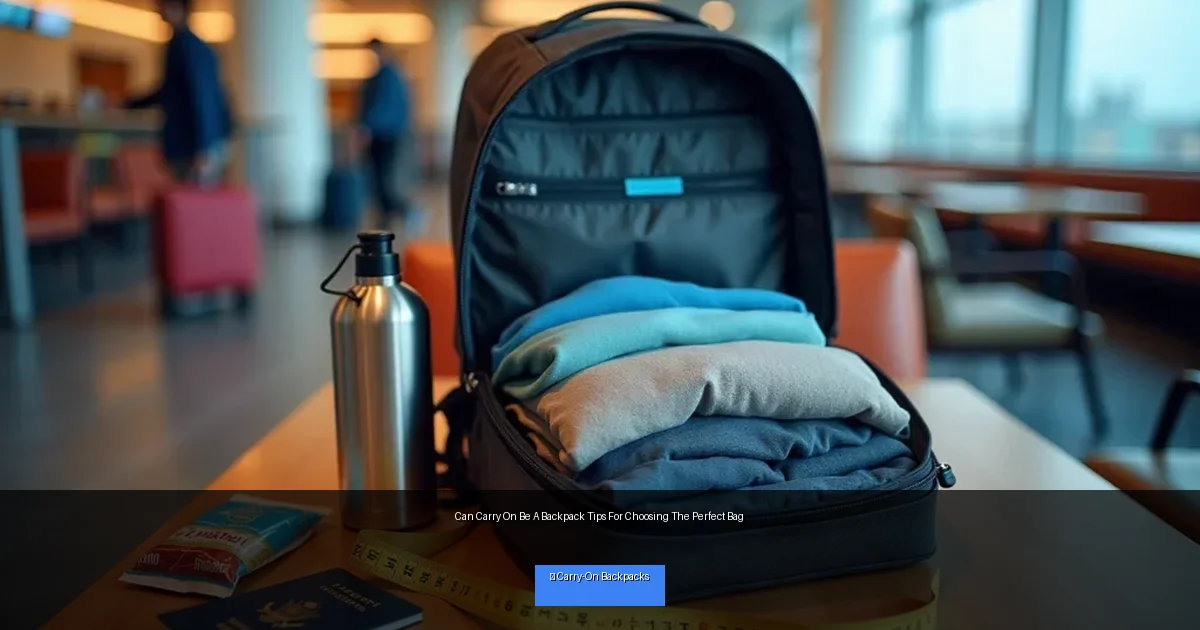
Visual guide about Can Carry On Be A Backpack Tips For Choosing The Perfect Bag
Image source: thedesigntourist.com
Check Your Airline’s Website
Visit the official site of your airline and look for the baggage policy section. Confirm the allowed size and weight for carry-ons.
Measure Your Backpack
Once you find a backpack you like, measure its height, width, and depth including any external pockets or wheels to ensure it fits within the limits.
Choose a Backpack That Meets the Strictest Rules
If you fly different airlines, pick a backpack that complies with the smallest size limit to avoid surprises.
Step 2: Choose the Right Style and Features
Not all backpacks are created equal. Knowing what features to look for helps you pick the perfect bag.
Look for Multiple Compartments
Compartments help you organize clothes, electronics, and travel documents. A laptop sleeve and a quick-access front pocket are very handy.
Consider the Material
Choose lightweight, water-resistant materials like nylon or polyester for easy carrying and protection against weather.
Check for Comfortable Straps and Back Padding
Padded shoulder straps and breathable back panels reduce fatigue during long walks in airports or city streets.
Security Features
Lockable zippers, hidden pockets, or RFID-blocking compartments add extra security for your valuables.
Expandable Designs
Some backpacks expand to provide extra space if needed, which is great for longer trips.
Step 3: Pack Efficiently for Your Carry-On Backpack
Even the best backpack won’t help if you don’t pack smart. Efficient packing maximizes space and ease of access.
Use Packing Cubes
Packing cubes organize clothes by type or day, compressing them to save space and keep things tidy.
Roll Your Clothes
Rolling clothes instead of folding reduces wrinkles and creates more room.
Place Heavy Items Close to Your Back
This improves balance and comfort when carrying your backpack.
Keep Essentials Accessible
Use outer pockets for your passport, phone, and snacks to avoid rummaging through the bag.
Step 4: Test Comfort and Functionality Before Travel
Before your trip, pack your backpack and wear it for a while. This helps you identify any discomfort or accessibility issues.
Adjust the Straps
Make sure the shoulder straps and chest strap (if available) fit snugly but comfortably.
Check Weight Distribution
Ensure weight is balanced to avoid strain on your shoulders and back.
Practice Opening and Closing Zippers
Get familiar with your backpack’s compartments so you can quickly access your items at airport security.
Troubleshooting Common Issues
Backpack Feels Too Heavy
If your backpack is uncomfortable, review your packing list. Remove non-essentials and use lighter versions of items when possible.
Bag Doesn’t Fit in Overhead Bin
Double-check the backpack’s dimensions. If it’s slightly too big, consider compressing or removing external attachments.
Straps Dig Into Shoulders
Adjust padding or add strap covers. Also, make sure the backpack is properly adjusted to your torso length.
Items Get Disorganized
Add more packing cubes or internal organizers to keep things neat and easy to find.
Conclusion
Can carry on be a backpack? Definitely. A carry-on backpack is a smart choice for travelers who want mobility and convenience. By understanding airline size limits, choosing the right features, packing efficiently, and testing your backpack before your trip, you can enjoy hassle-free travel. Remember, the perfect carry-on backpack fits your style, your needs, and the airlines’ rules. With these tips, you’re ready to find your ideal travel companion and focus on the adventure ahead.