How Can a Solo Female Traveler Travel Safely on an Overnight Train?
Quick Answer
A solo female traveler can make an overnight train journey safer by booking a suitable sleeping space, securing her belongings, sharing her itinerary with someone trusted, and planning her arrival before boarding. Choose a reputable railway operator, check whether women-only sleeping compartments are available, and know how to contact train staff or local emergency services.
Essential overnight train safety steps
- Choose carefully: Research the operator, accommodation type, recent travel advisories, and available security arrangements.
- Secure your bags: Keep your phone, passport, money, and other essentials close to your body or within reach.
- Protect your sleep: Use appropriate luggage locks and discreet security measures without blocking emergency exits.
- Stay connected: Share your train number, carriage details, arrival time, and live location when reliable service is available.
- Plan your arrival: Arrange onward transport and identify a safe place to wait if you reach your destination before daylight.
One important precaution: check official travel advice for your specific route and destination before deciding whether an overnight train is an appropriate option.
An overnight train can turn a long journey into an opportunity to rest, save daytime travel hours, and watch new landscapes pass by in the morning. For women traveling alone, however, sharing a carriage with unfamiliar passengers and arriving in an unfamiliar city at night can raise understandable safety concerns.
When planning solo travel, I believe the best approach is to make important decisions before reaching the platform. This guide explains how to choose a safer sleeping arrangement, protect your belongings, handle uncomfortable situations, and arrive with a clear plan.
In This Guide
- Is an overnight train safe for a solo female traveler?
- How should you book a safer overnight train journey?
- What should you pack for an overnight train?
- How can you stay safe while boarding and sleeping?
- What should you do if someone makes you uncomfortable?
- How can you arrive safely at your destination?
- Overnight train safety FAQs
Is an overnight train safe for a solo female traveler?
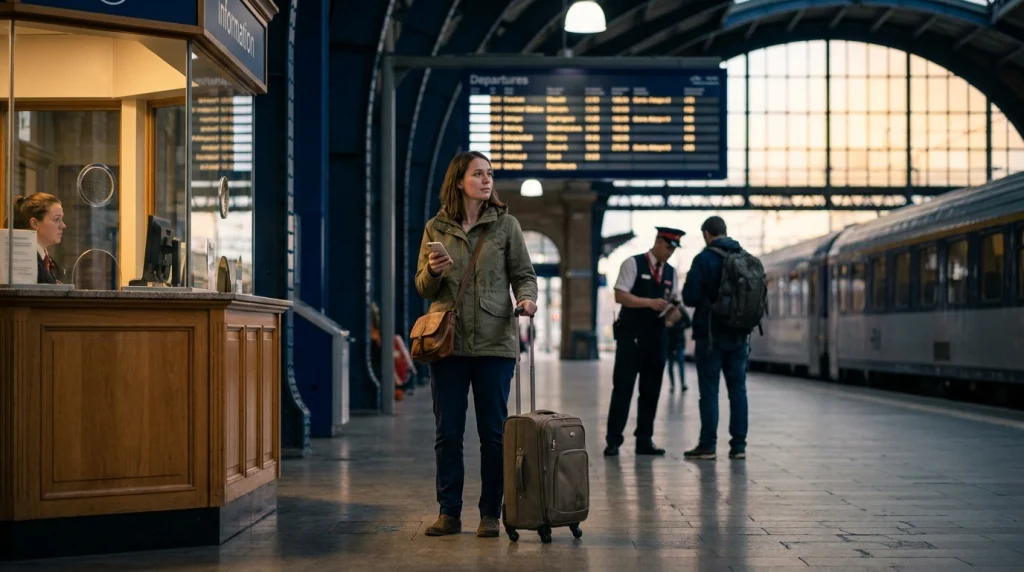
An overnight train can be a reasonable option for a woman traveling alone when the route, operator, accommodation, and local security conditions are suitable. However, safety varies considerably between countries, railway companies, train classes, and individual journeys.
Solo female train travel means taking a rail journey without a companion while independently managing personal security, accommodation, belongings, and onward transport. The aim isn’t to eliminate every possible risk but to make informed decisions and prepare for problems before they arise.
What makes one overnight train safer than another?
Look beyond ticket prices and journey times when comparing services. A comfortable sleeper cabin isn’t automatically safer, and an expensive ticket doesn’t guarantee reliable security.
- Operator reputation: Check official railway information, recent service announcements, and credible travel advice.
- Accommodation: Find out whether the train offers private sleepers, shared sleeping compartments, or ordinary reclining seats.
- Access control: Check how passengers enter sleeping compartments and whether doors have functioning locks.
- Staff assistance: Confirm how to reach train attendants, railway police, or other responsible personnel.
- Route conditions: Review security warnings, planned disruptions, and the risks associated with intermediate stops.
For example, the UK government’s travel advice for Thailand warns about theft from bags on trains and buses. Its guidance for India also recommends protecting valuables and avoiding food or drinks offered by strangers.
These warnings illustrate why travelers should check destination-specific guidance rather than assume every overnight train has the same risks.
Pro tip: Before departure, consult your government’s current travel advisories and the railway operator’s official website. If an advisory identifies significant risks on your route, consider an alternative rather than relying on personal precautions alone.
How should you book a safer overnight train journey?
Booking the right accommodation is one of the most useful safety decisions you can make before traveling. Whenever possible, choose a sleeping arrangement that provides appropriate privacy, manageable access, and clear ways to request assistance.
Which sleeping arrangement should you choose?
The best choice depends on your budget, the train’s facilities, and how comfortable you feel sharing a sleeping space with strangers. Compare the actual arrangements available on your chosen service.
| Accommodation | Potential advantages | What to check |
|---|---|---|
| Private sleeper cabin | Greater privacy and fewer people sharing your sleeping space. | Door security, emergency access, staff availability, and cabin occupancy rules. |
| Women-only couchette or sleeper | A designated sleeping space shared with female passengers. | Whether the service offers it, how it is assigned, and who may enter. |
| Mixed shared sleeper | May cost less and provide a proper sleeping berth. | Other occupants, privacy arrangements, luggage storage, and locking options. |
| Ordinary reclining seat | May be the most affordable option on some routes. | Crowding, lighting, access to staff, and whether you can rest without leaving bags unattended. |
On some European services, women traveling alone can book designated women-only sleeping accommodation. For instance, Deutsche Bahn’s Nightjet guidance explains that women-only compartments are available in couchette and sleeping cars, subject to the relevant booking options.
Availability isn’t universal. Check the exact train, route, and reservation conditions before paying.
What should you check before paying?
- Confirm the booking: Use the official railway website or an established booking provider, and save your ticket offline.
- Check the carriage: Review your assigned coach, berth, departure platform, and any required transfers.
- Ask about access: Find out whether compartment doors lock from inside and how emergency assistance works.
- Review cancellation rules: Understand whether you can change your reservation if conditions deteriorate.
- Plan the route: Check intermediate stops and the expected arrival time, including likely delays.
If you’re new to solo travel, paying extra for a suitable private or women-only sleeping arrangement may be worthwhile when it is available and affordable. Still, compare the actual facilities instead of assuming that one ticket category is always safest.
Section takeaway: Choose accommodation based on privacy, access control, and available support, not price alone.
What should you pack for an overnight train?
Pack so that you can reach essential items without opening your entire suitcase or walking through the carriage at night. Your most important belongings should remain under your control even when you fall asleep.
Which safety essentials belong in your day bag?
- Travel documents: Keep your passport or accepted identification, ticket, and essential travel details secure.
- Phone and power bank: Charge both before departure and save important numbers for offline access.
- Money and payment cards: Separate your backup funds from your main wallet where practical.
- Small flashlight: Keep a compact light accessible if the carriage becomes dark.
- Personal medication: Carry necessary medication in your day bag rather than packing it in inaccessible luggage.
- Water and familiar snacks: Bring supplies purchased from a reliable source if food availability is uncertain.
- Sleep essentials: Pack earplugs, an eye mask, and a light layer for temperature changes.
- Basic security items: Consider a luggage cable lock and a discreet pouch for valuables, provided their use is permitted.
How should you protect your valuables?
Keep your phone, identification, payment cards, and other irreplaceable items in a secure location close to you. Avoid placing all your valuables in a bag stored at the far end of the carriage or in an overhead rack beyond your reach.
A small crossbody bag or concealed travel pouch can help you keep essentials together. During sleep, place it somewhere secure and comfortable that doesn’t obstruct your movement or emergency access.
Use a luggage lock where appropriate, but remember that a lock can deter casual interference without making a bag theft-proof. Never attach luggage to fixed objects in a way that creates a tripping hazard or prevents rapid evacuation.
Should you carry a personal safety alarm?
A compact personal alarm may help attract attention if you feel threatened. Check local laws and railway rules before carrying any defensive device, particularly items that could be restricted where you are traveling.
You don’t need an elaborate collection of security gadgets. Reliable communication, controlled access to your belongings, and a practical emergency plan are more useful than equipment you don’t know how to use.
Section takeaway: Keep essential documents, communication tools, medication, and valuables accessible without leaving them exposed.
How can you stay safe while boarding and sleeping?
Your safety routine should begin at the station, not when the train starts moving. Arrive with enough time to find your platform, verify the train, and settle into your assigned accommodation without rushing.
What should you do at the station?
- Arrive prepared: Check the departure board and confirm your platform using official railway information.
- Wait in a suitable area: Choose a staffed, well-lit part of the station when available.
- Keep bags with you: Don’t leave luggage unattended while buying food or asking for directions.
- Verify assistance: Identify railway staff, an information desk, or the station’s designated help point.
- Board correctly: Check your carriage and berth against your ticket rather than following an unfamiliar person’s instructions blindly.
Be cautious of strangers who offer unexpected ticket changes, luggage assistance, or access to accommodation in exchange for money. If something seems wrong, verify the information with official railway personnel.
What should you do after boarding?
Once you reach your seat or sleeping compartment, take a few minutes to understand the layout and available security features. A quick check helps you recognize anything unusual before settling down.
- Confirm that your accommodation matches your reservation.
- Locate the nearest exit and understand how the door operates.
- Identify the attendant or other official who can help during the journey.
- Check whether the door locks properly and report faulty locks to staff.
- Store larger luggage securely and keep essential belongings nearby.
- Set an alarm for your stop, allowing extra time for possible delays.
If the compartment is unexpectedly occupied, your assigned berth is unavailable, or the locking mechanism doesn’t work, contact railway staff promptly. Request an appropriate alternative rather than accepting an arrangement that makes you uncomfortable.
How can you sleep without worrying constantly?
You don’t need to stay awake all night to travel responsibly. The goal is to reduce preventable risks and create conditions in which you can rest.
Before sleeping, secure your luggage, put your phone within reach, and keep your shoes and essential belongings accessible. Avoid placing items in a location that would force you to search through bags during an emergency.
On a shared service, follow the operator’s rules for doors, luggage, and emergency access. Never wedge a door shut or use an improvised restraint that could prevent you or another passenger from leaving quickly.
Keep your phone charged and use a screen lock. If your route has reliable mobile coverage, you can also share your location with a trusted person, although connectivity may disappear in remote areas.
Be careful with alcohol or medication that makes you unusually drowsy. Anything that significantly reduces your awareness can make it harder to respond if you need help.
Should you accept food or drinks from strangers?
It’s safer to decline food, beverages, or medication offered unexpectedly by people you don’t know. Buy refreshments from reliable sources or bring your own supplies, and keep drinks in your possession.
You can still be polite and friendly without sharing personal information or accepting offers that make you uneasy. A simple response such as, “Thank you, I’ve already brought something,” is usually enough.
Section takeaway: Establish control over your space and belongings early, then rest while keeping your essential items accessible.
What should you do if someone makes you uncomfortable?
If another passenger behaves inappropriately, follows you, touches you without consent, or repeatedly ignores your boundaries, take the situation seriously. You don’t need to prove that a threat is real before asking for assistance.
How can you respond to unwanted attention?
Start with the response that feels safest for your situation. You can move away, speak to a staff member, or ask other passengers for help without confronting the person directly.
- Trust your judgment: Leave an interaction that feels threatening or coercive.
- Move toward support: Go to a staffed area or a location with other passengers when safe to do so.
- Set a boundary: If appropriate, say clearly that you don’t want to continue the interaction.
- Contact staff: Explain what happened and request help changing seats or compartments if necessary.
- Preserve important details: If safe, note the carriage, time, location, and description of the behavior.
Don’t feel obligated to remain friendly to avoid appearing rude. Your comfort and safety matter more than meeting a stranger’s expectations.
What if someone tries to enter your compartment?
If someone attempts to enter a locked compartment without permission, don’t open the door simply because they insist. Verify any legitimate request through the train attendant or official railway staff.
If you feel threatened, use the available emergency communication method and move toward help if you can do so safely. A private cabin offers privacy, but you should never treat its door as a substitute for emergency assistance.
How should you prepare for an emergency?
Before departure, save the local emergency number and learn how the operator handles onboard security complaints. Emergency numbers and reporting systems differ by country, so don’t assume the number used at home will work abroad.
Share your journey details with someone you trust, including:
- Your departure station and destination.
- The train number, departure time, and expected arrival time.
- Your carriage and berth or compartment details.
- The time you expect to check in after arriving.
- A backup plan if you miss your stop or lose mobile service.
Agree on a simple check-in plan before leaving. If you miss a scheduled message, your trusted contact should know when to try contacting you and when to seek appropriate assistance.
If you face an immediate threat, prioritize reaching a safe place and contacting local emergency services. Don’t put yourself at greater risk to record evidence or retrieve belongings.
Section takeaway: Trust your instincts, seek official help early, and make sure someone knows your itinerary.
How can you arrive safely at your destination?
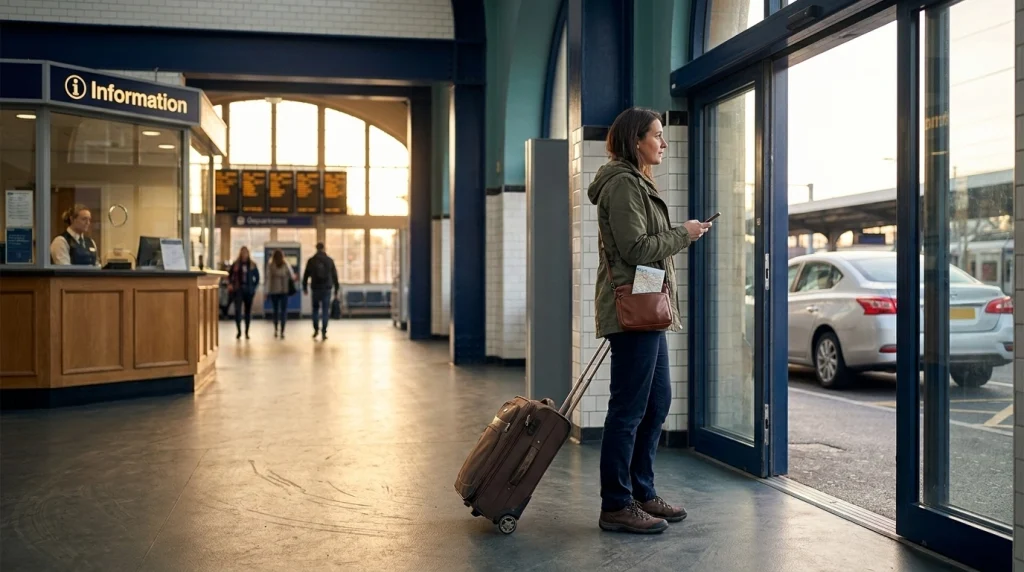
Arriving safely is part of overnight train planning, especially when the train reaches an unfamiliar station before sunrise. A good arrival plan reduces the need to make rushed decisions while tired.
Should you arrange transportation before arrival?
Whenever practical, identify a reputable way to reach your accommodation before boarding. Check the station’s official transport information and use licensed taxis, authorized transfers, or established ride-hailing services where available.
If you plan to use a ride-hailing app, check the vehicle’s registration, make and model, and driver information before entering. Share the trip details with your trusted contact when possible.
Avoid accepting unsolicited rides from people approaching you inside or outside the station. If a driver or vehicle doesn’t match the booking, cancel and arrange another option from a safer location.
What if your train arrives very early?
Don’t assume your accommodation will be ready for check-in just because you’ve arrived. Confirm whether the property offers early check-in, luggage storage, or a staffed reception before your journey.
If you must wait, choose an open, staffed, well-lit place where you can keep your belongings with you. Avoid wandering through unfamiliar or isolated streets simply to fill time.
What if your train is delayed or canceled?
Check official railway updates and ask staff about your options. If a disruption changes your arrival time, update your trusted contact and reconsider any transport or accommodation arrangements that no longer fit.
Keep enough money and battery power available for an unexpected change. If the next safe connection requires an overnight stay, prioritize reputable accommodation over accepting an unverified offer from a stranger.
How should you prepare for the next day?
Save the address of your accommodation, its contact details, and directions from the station before departure. Download maps or booking information for offline access if you expect limited connectivity.
Once you arrive, check that your belongings are accounted for and notify your contact that you’ve reached your destination. If you notice theft or another incident, report it through the appropriate local or railway channels.
Section takeaway: Plan the final leg of your journey before boarding, and keep an alternative ready in case of delays.
Overnight train safety FAQs
Is it safe for a woman to sleep alone on an overnight train?
It can be reasonable when the route and operator are suitable and you have a secure sleeping arrangement. Research the train’s facilities, keep essential belongings close, understand how to reach staff, and check current official travel advice before departure.
Is a private sleeper cabin safer than a shared compartment?
A private cabin generally offers more privacy and fewer people sharing your sleeping space, but its security depends on the door, access arrangements, and availability of assistance. A women-only shared compartment may be another useful option where the railway offers one.
Should I choose a lower or upper bunk?
Choose based on your comfort, mobility, luggage arrangements, and the layout of the particular train. A lower bunk may make it easier to access your belongings, while an upper bunk may offer different privacy considerations; neither guarantees better security.
How do I keep my luggage safe while sleeping?
Keep valuables in a secure pouch close to you and store larger bags in the designated luggage area. Use a suitable lock if permitted, avoid leaving essentials unattended, and never secure luggage in a way that blocks an exit or creates a hazard.
Should I tell other passengers that I’m traveling alone?
You can decide how much personal information to share. You don’t need to explain your travel plans, accommodation, or whether someone is expecting you; a polite, brief response is enough when you prefer to keep those details private.
What should I do if I miss my stop?
Stay in a safe, staffed location when possible and contact railway personnel to ask about the next available service or an appropriate alternative. Inform your trusted contact, review your onward transport arrangements, and avoid accepting unverified help from strangers.
Are overnight trains safe in every country?
No. Safety conditions, security arrangements, service standards, and local risks vary. Review current government travel advice and official railway information for your specific destination and route, and choose another form of transport if the documented risks are unacceptable.
Final thoughts: Make your overnight train journey safer with a plan
Traveling alone on an overnight train doesn’t have to mean spending the entire journey worrying. The most useful precautions are practical: select suitable accommodation, protect your essentials, stay aware of your surroundings, and know where to get help.
Before you leave, check your route, save your ticket and emergency information, and arrange your onward transport. These small preparations can make the journey more manageable and help you focus on the rewarding parts of traveling independently.
Most importantly, give yourself permission to change plans when something doesn’t feel right. A missed connection, a different ticket, or an extra night in suitable accommodation is a reasonable trade-off for a journey that better meets your safety needs.
Pro tip: Review the latest U.S. Department of State travel advisories or the equivalent official travel advice from your own government. For your chosen route, also check the railway operator’s current security guidance and emergency contact procedures.