What Should a Woman Do If She Changes Her Mind Before Her First Solo Trip?
Quick Answer
If you change your mind before your first solo trip, you do not have to force yourself to go exactly as planned. Pause, identify what is making you hesitate, review the practical consequences of changing your booking, and choose between going ahead, simplifying the trip, postponing it, or canceling it. Before making a safety-related decision, review current official guidance for women travelers.
What to do first
- Name the reason: Work out whether you feel ordinary pre-trip nerves or have a specific concern.
- Check your bookings: Review cancellation dates, airline rules, hotel terms, insurance coverage, and prepaid activities.
- Reduce the difficulty: Shorten the trip, stay in one place, or choose easier transportation if the original plan feels too demanding.
- Give yourself options: Postponing is different from giving up on solo travel permanently.
- Respect safety concerns: A concrete warning, changing destination conditions, or serious logistical problem deserves a fresh assessment.
One rule to remember
- You are allowed to change the plan without treating the decision as a personal failure.
Changing your mind before your first solo trip can feel confusing because excitement and anxiety often arrive together. You may have spent months planning, then suddenly wonder whether you want to leave at all.
I think the useful question is not, “Am I brave enough to go?” It is, “What changed, and what decision makes sense now?”
In This Guide
- Why Do Women Change Their Minds Before a First Solo Trip?
- How Can You Tell Normal Nerves From a Real Warning Sign?
- What Can You Change Before Canceling the Entire Trip?
- Should You Cancel or Postpone Your First Solo Trip?
- What Should You Check Before Changing Your Bookings?
- How Do You Keep Your Solo Travel Confidence After Changing Plans?
- Frequently Asked Questions
- Final Takeaway
Why Do Women Change Their Minds Before a First Solo Trip?
Women change their minds before solo trips for many reasons, including anxiety, safety concerns, money worries, family pressure, complicated logistics, or simply realizing the trip no longer feels right.
The important part is finding the specific reason behind your hesitation.
Pre-trip anxiety is the nervousness that can appear before doing something unfamiliar. It does not automatically mean your travel plan is unsafe or unsuitable.
- Fear of being alone: You may suddenly picture lonely meals, unfamiliar streets, or evenings without company.
- Safety worries: News, family concerns, or destination research may make certain risks feel more immediate.
- Logistical stress: Multiple flights, late arrivals, hotel changes, and complicated transport can make the trip feel harder than expected.
- Financial pressure: The final cost may be higher than the budget you originally planned.
- Life changes: Work, relationships, family responsibilities, or your health may have changed since booking.
Sometimes nothing dramatic happened. You may simply want something different now than you wanted three months ago.
That matters too.
Solo travel gives you control over your itinerary, accommodation, transportation, budget, and daily decisions. That same independence also means you can change those decisions before departure.
As of 2026, I would also recheck destination conditions close to departure. Official advisories, entry requirements, strikes, severe weather, and transportation disruptions can change after you book.
Pro tip: For international travel, check your destination’s latest official advisory through the U.S. State Department travel planning resources or your own government’s equivalent service.
How Can You Tell Normal Nerves From a Real Warning Sign?
Normal nerves are usually vague and emotional, while a warning sign is often specific and actionable. Ask yourself what exactly you believe could go wrong.
Write the answer down instead of letting several worries blend together.
| What You Are Feeling | Possible Meaning | Practical Response |
|---|---|---|
| “I have never traveled alone before.” | Normal uncertainty | Practice locally or shorten the trip. |
| “My itinerary feels exhausting.” | Planning problem | Remove stops and stay in one base. |
| “My destination’s current conditions have changed.” | Specific concern | Review current official guidance before deciding. |
| “I cannot comfortably afford the remaining cost.” | Financial concern | Rebudget, shorten, postpone, or cancel. |
| “I don’t want this trip anymore.” | Preference has changed | Consider postponing or choosing another trip. |
One exercise I like is separating every concern into two columns: things I can change and things I cannot control.
If transport complexity worries you, you can simplify it. If uncertainty itself bothers you, more planning may help only up to a point.
Travel experts also commonly suggest easing gradually into solo travel rather than forcing yourself into a difficult first experience. Lonely Planet’s solo travel guidance for women similarly discusses starting with smaller independent experiences.
Section Takeaway: Specific problems deserve specific solutions. Vague nervousness does not automatically mean you should cancel, but concrete safety, money, or logistical concerns should not be dismissed.
What Can You Change Before Canceling the Entire Trip?
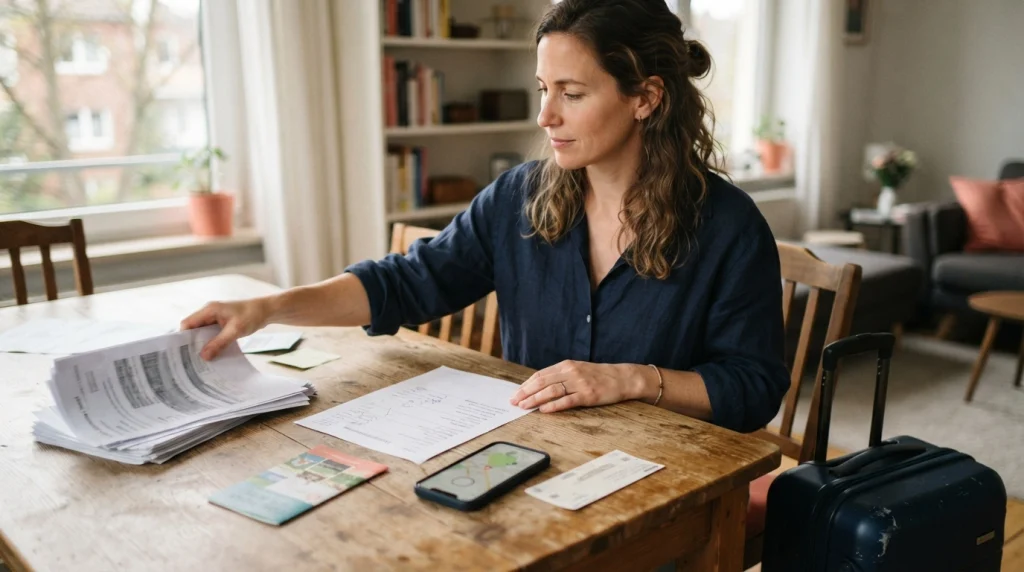
You can often make a first solo trip easier without abandoning it completely. Reduce whichever part of the plan is creating the most pressure.
Start with the biggest source of stress.
Shorten the trip
A ten-day itinerary can become four days. A four-day trip can become a weekend.
A shorter commitment often feels easier when you have never traveled alone before.
Stay in one destination
Remove hotel changes, train connections, and repeated packing. One comfortable base means fewer daily decisions.
This is especially useful when transportation anxiety is driving your doubts.
Upgrade one difficult part
You do not need to make the whole trip more expensive. Spend strategically where convenience matters most.
- Book a daytime flight instead of arriving late at night.
- Choose accommodation near reliable transportation.
- Arrange a licensed airport transfer.
- Book a private room instead of a shared dorm.
- Add a guided walking tour for your first day.
Turn the trip into a practice trip
If international travel suddenly feels overwhelming, consider a closer destination instead. You can practice checking in alone, navigating, eating solo, and managing downtime.
The original destination can wait.
Add structure without giving up independence
Solo travel does not require spending every minute alone. You can join food tours, museum tours, classes, day trips, or hostel activities.
You still control your trip while gaining predictable social contact.
Section Takeaway: When the idea of solo travel still interests you but the current itinerary does not, redesign the itinerary before assuming the entire trip must disappear.
Should You Cancel or Postpone Your First Solo Trip?
Cancel when the trip no longer makes practical or personal sense. Postpone when you still want the experience but need different timing, preparation, finances, or circumstances.
Neither choice has to be permanent.
Canceling may make sense when:
- Your destination situation has materially changed.
- You cannot afford the remaining trip costs without financial strain.
- A personal responsibility now requires you to stay home.
- The itinerary cannot be changed enough to address your concerns.
- You no longer want to take this particular trip.
Postponing may make sense when:
- You still want to travel alone but need more preparation.
- You want time to practice shorter independent trips.
- You would feel better traveling during another season.
- You need more savings or a larger emergency budget.
- You want to choose an easier first destination.
Try not to make the decision purely because you feel embarrassed about losing money or explaining the change to other people.
Money matters, but money already spent should not automatically control every later decision.
If you cancel, you can still travel solo another year. If you postpone, choose a realistic point when you will review the idea again rather than leaving it indefinitely vague.
What Should You Check Before Changing Your Bookings?
Before canceling anything, check the financial consequences item by item. Different bookings can have completely different rules.
- Flights: Check whether the fare is refundable, changeable, or eligible for travel credit.
- Accommodation: Look for the final free-cancellation deadline and any first-night penalties.
- Transportation: Review train, ferry, bus, rental car, and airport transfer policies separately.
- Tours and activities: Check refund deadlines before canceling prepaid attractions.
- Travel insurance: Read the covered cancellation reasons rather than assuming any change of mind qualifies.
- Visa costs: Confirm whether application or processing fees are refundable.
- Points and miles: Check redeposit fees and expiration conditions.
Create a simple list showing how much money you recover under each option. Compare canceling today with waiting another week.
Some deadlines matter.
Do not cancel your flight first and then discover that changing the date would have preserved most of its value. Review every option before clicking a final cancellation button.
If international travel remains your goal, an official checklist can help reveal which preparation tasks still need attention. The State Department recommends reviewing documents, destination information, personal travel needs, insurance, and current advisories before departure.
Section Takeaway: Check refund and change rules before making an emotional decision irreversible. A 20-minute booking review can reveal cheaper alternatives to canceling everything.
How Do You Keep Your Solo Travel Confidence After Changing Plans?
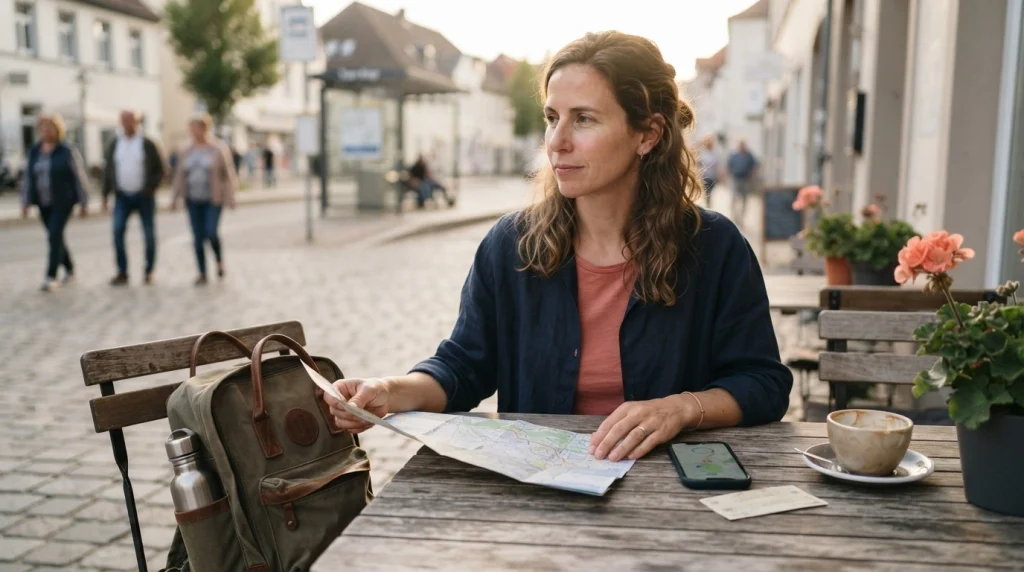
Changing one trip does not tell you whether you are capable of solo travel. It tells you that you reconsidered one plan under one set of circumstances.
Keep the next step small and specific.
- Eat at a restaurant alone.
- Spend an afternoon exploring a nearby area.
- Take a day trip using public transportation.
- Stay one night somewhere familiar but away from home.
- Plan a two-night weekend trip.
- Practice navigating without relying on another person.
These exercises can show you which parts of independent travel feel comfortable and which need more preparation.
You may discover that eating alone is easy but arriving after dark bothers you. That is useful information for the next itinerary.
It also helps to remember why you wanted to travel independently in the first place. Solo travel can give you control over your schedule, pace, activities, and downtime, but it does not require proving anything to anyone.
If you decide to try again, design your next trip around what you learned.
Choose simpler transportation if connections caused anxiety. Pick a shorter itinerary if the length felt intimidating.
For more general perspectives on the experience, Lonely Planet discusses several benefits women may find in traveling independently.
Section Takeaway: Confidence does not require following through with every original plan. Good solo travel decisions include knowing when to adjust, postpone, and try again differently.
Frequently Asked Questions
Is it normal to want to cancel your first solo trip?
Yes. Uncertainty often increases as departure gets closer because the trip becomes more real. Identify whether you are experiencing general nervousness or responding to a specific safety, financial, logistical, health, or personal concern before making your decision.
Should I force myself to go on a solo trip because I already paid?
No single rule fits every situation. Review what you can recover, what can be changed, why you want to cancel, and whether modifying the trip would solve the problem rather than letting the money already spent make the decision for you.
Can I shorten my first solo trip instead of canceling?
Yes. Shortening the trip can reduce cost, planning pressure, and the feeling of being committed for too long. You could also stay in one destination, remove complicated transfers, or replace independent activities with structured tours.
Does canceling a first solo trip mean solo travel is not for me?
No. Canceling one itinerary only means you decided not to take that particular trip under those circumstances. You can practice independent outings, take a shorter trip, choose an easier destination, or reconsider solo travel later.
What if my family is making me doubt my solo trip?
Separate their concerns into specific points. Research each one using current official sources, then decide which concerns require changes. Listening to useful information is sensible, but another person’s anxiety does not have to become your decision automatically.
How late can I change my mind about traveling alone?
You can change your mind at any point, but financial consequences usually increase as departure approaches. Review airline, hotel, tour, insurance, and transportation rules immediately because cancellation and change deadlines vary by booking.
What if I feel nervous but still want to go?
Simplify the trip rather than demanding total confidence from yourself. Shorten the itinerary, arrange your arrival in advance, stay somewhere comfortable, keep the first day easy, and create clear backup plans for transportation, money, communication, and accommodation.
Final Takeaway
If you change your mind before your first solo trip, find out what changed before deciding what to do next. Your choices include going ahead, simplifying the itinerary, postponing, choosing another destination, or canceling.
The best outcome is not proving that you can stick to the original plan. It is making a deliberate decision that matches your current safety concerns, finances, comfort level, and reasons for traveling.
You can always build toward solo travel gradually. One changed itinerary does not close that door.