Is a Nature Trip a Good Choice for a Woman’s First Solo Trip?
Quick Answer
Yes, a nature trip can be a good choice for a woman’s first solo trip, especially when the destination has established trails, reliable accommodation, easy transportation, and dependable phone coverage. The best first trip is usually a gentle outdoor getaway rather than an isolated wilderness expedition, and reviewing official guidance for women travelers is a smart part of planning.
What Makes a Good First Nature Trip?
- Established trails: Choose marked, popular routes instead of remote backcountry paths.
- Short activities: Start with hikes or excursions that comfortably fit within daylight hours.
- Good connectivity: Reliable cell service makes navigation and check-ins easier.
- Nearby services: Stay within reasonable reach of food, transportation, and medical help.
- Simple accommodation: A staffed hotel, lodge, or well-reviewed hostel is easier than isolated camping.
One Important Caution
- Avoid making your first solo experience a remote trek where one navigation mistake, injury, or weather change could become an emergency.
If you’re wondering, “Is a nature trip a good choice for a woman’s first solo trip?”, the answer depends more on the trip design than the scenery. A peaceful nature destination can feel less overwhelming than a huge city, but remote outdoor travel introduces different risks.
I prefer to think of a first solo nature trip as a confidence-building trip, not a survival test. This guide will help you choose the right setting, plan your safety, pack sensibly, and decide whether nature travel fits your personality.
In This Guide
- Is a nature trip suitable for a first solo trip?
- What makes a nature trip beginner-friendly?
- What type of nature trip is best for a first-time solo traveler?
- How can a woman plan a safer solo nature trip?
- What should you book and pack before leaving?
- Is a nature trip better than a city trip or group tour?
- Frequently asked questions
Is a Nature Trip Suitable for a First Solo Trip?
Yes, a nature trip can suit a first-time solo traveler when it combines outdoor experiences with reliable infrastructure. Think national-park towns, lakeside resorts, coastal communities, mountain villages, and organized eco-lodges rather than deep wilderness.
Definition: A solo nature trip is a journey taken independently where outdoor environments such as forests, mountains, beaches, lakes, parks, or countryside form a major part of the experience.
Nature travel can remove some pressures that make first-time solo travelers nervous. Your day may revolve around a trail, beach, wildlife tour, scenic train, or sunrise viewpoint rather than constantly navigating crowded streets.
That simplicity can feel freeing. You still make your own decisions, but you don’t need to fill every hour.
Why nature can feel comfortable when traveling alone
- Built-in activities: Hiking, photography, kayaking, birdwatching, and sightseeing give your day structure.
- Less social pressure: Eating alone or spending quiet time can feel more natural in outdoor destinations.
- Easy pacing: You can slow down without feeling that you’re missing dozens of attractions.
- Clear purpose: Having one trail, lake, park, or scenic area as your main goal simplifies planning.
- Natural confidence building: Completing a manageable hike alone can make independent travel feel less intimidating.
The trade-off is remoteness
A busy city may offer more people, transportation choices, hospitals, shops, and late-night services. Nature destinations can offer fewer backups when something goes wrong.
That doesn’t make them unsuitable. It simply means your first trip should keep wilderness risk low.
- Choose populated trails.
- Stay somewhere staffed.
- Avoid technically difficult activities.
- Return before dark.
- Keep transportation predictable.
- Know where the nearest town or clinic is located.
Section Takeaway: A beginner nature trip works best when you get the peace of the outdoors without giving up easy access to people, transport, communication, and help.
What Makes a Nature Trip Beginner-Friendly?
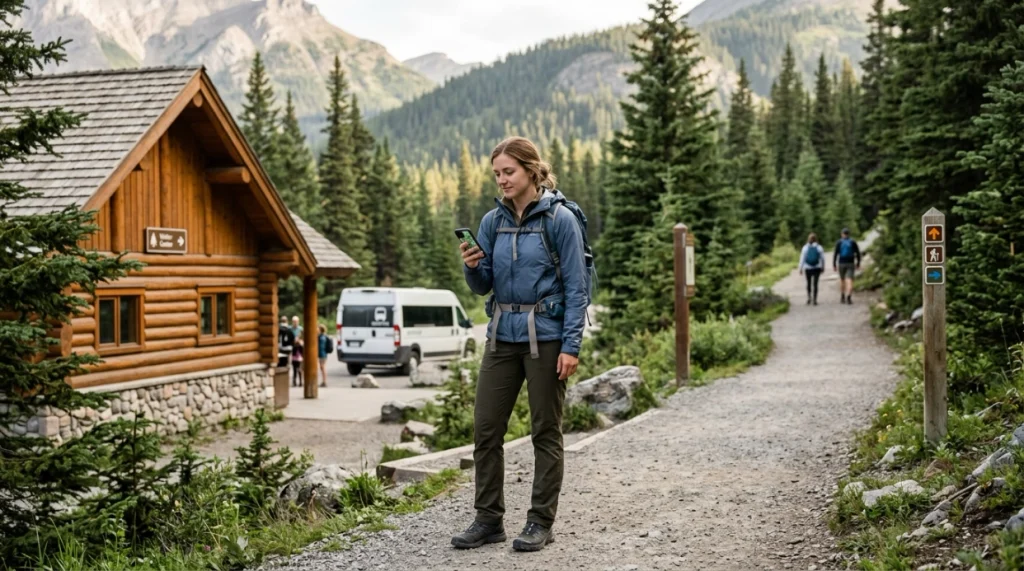
A beginner-friendly nature destination gives you room to explore without requiring advanced outdoor skills. Your trip should still work if you become tired, change your plans, or decide not to hike.
Start with accessibility
Look at how you’ll travel from the airport or station to your accommodation. A destination that needs four buses, a hitchhike, and an unmarked trail creates unnecessary stress.
I would favor a place where the final transfer can be booked in advance. Even better, choose accommodation within walking distance of food and basic services.
- Easy airport or train connection
- Licensed taxi or reliable rideshare availability
- Nearby grocery stores or restaurants
- Clearly mapped trails
- Visitor centers or ranger stations
- Several accommodation choices
Check communication before scenery
Beautiful isolation is much more appealing after you’ve built solo travel experience. On a first trip, reliable phone service deserves a place on your destination checklist.
The U.S. State Department’s mountain safety guidance specifically highlights limited connectivity as a factor that can make emergency response harder in remote locations.
Choose forgiving activities
A three-hour marked trail with plenty of other hikers is different from an eight-hour backcountry route. The first gives you more room for small mistakes.
| Trip Feature | Better for a First Trip | Better After More Experience |
|---|---|---|
| Trail | Popular marked day hike | Remote backcountry route |
| Accommodation | Hotel, hostel, lodge | Isolated wild camping |
| Transport | Pre-bookable transfer | Uncertain local connections |
| Connectivity | Regular mobile coverage | No-service wilderness |
| Activities | Self-guided walks and guided tours | Technical climbing or solo trekking |
Section Takeaway: The best beginner destination is not necessarily the most dramatic one. Choose a place where changing your mind is easy and small problems have simple solutions.
What Type of Nature Trip Is Best for a First-Time Solo Traveler?
Nature travel covers everything from beach towns to multi-day wilderness trekking. For a first solo trip, some formats are much easier to manage than others.
National park or gateway town
A park with a nearby tourism town can offer an excellent balance. You get trails and scenery while keeping restaurants, accommodation, tours, and transportation nearby.
Pick established routes and check local trail conditions before leaving. Seasonal closures can change an otherwise simple itinerary.
Coastal or lakeside destination
A small waterfront town can work well if the main attractions are beaches, walking trails, boat trips, or viewpoints. These places often let you combine nature with ordinary tourism infrastructure.
Water deserves its own caution. Avoid swimming alone in unfamiliar areas where currents, waves, weather, or rescue access are uncertain.
Well-developed mountain resort
A mountain base can be beginner-friendly when lifts, marked trails, transport, and staffed accommodation operate nearby. It is different from heading alone into a remote mountain range.
Keep altitude, weather, and daylight in mind. Conditions can change faster in mountain environments than they do in many urban destinations.
Guided nature retreat
A guided retreat gives you solo independence without making you handle every activity alone. You might travel independently to the destination, then join scheduled hikes, wildlife trips, yoga sessions, or kayaking tours.
This can be especially useful if being alone at night worries you more than sightseeing alone during the day.
What I would avoid for trip number one
- Multi-day solo backcountry trekking
- Wild camping far from established sites
- Technical climbing without qualified support
- Remote kayaking or open-water excursions alone
- Trails requiring advanced navigation
- Destinations with unreliable seasonal transport
The CDC notes that adventure travel can involve remote locations where medical care, communication, and weather predictability may be limited. Its adventure travel guidance recommends preparing for the activity, carrying suitable equipment, understanding personal limits, and planning for unexpected events.
Pro tip: Before an international nature trip, check official destination health information and current government travel advice rather than relying only on travel blogs or social media posts.
How Can a Woman Plan a Safer Solo Nature Trip?
Solo female travel safety in nature starts before you reach the trail. The goal is to remove avoidable uncertainty from transportation, accommodation, navigation, timing, and communication.
Share a simple itinerary
Give one trusted person enough information to notice when something is wrong. You don’t need to provide minute-by-minute updates.
- Your accommodation name and address
- Transport details
- Your planned trail or activity
- Expected start and finish times
- The time you’ll check in afterward
Set a turnaround time
Don’t make sunset your target finishing time. Build enough margin to deal with slower walking, photo stops, wrong turns, or transportation delays.
I like the idea of treating the turnaround time as fixed. Reaching a viewpoint is optional; getting back safely is not.
Download navigation before leaving
Save your map for offline use and carry enough battery power for the day. A screenshot of the trailhead, accommodation address, and transport information can also help.
A phone should support your plan rather than become your only plan. Ask local staff about trail conditions before starting.
Take accommodation safety seriously
A good room location can remove a surprising amount of first-night anxiety. Look for staffed properties with strong recent reviews and straightforward access from your arrival point.
The State Department’s lodging safety guidance advises researching accommodation in advance and considering access to transportation and important services.
Trust changes in conditions
You don’t owe the itinerary anything. Turn around when weather changes, a trail feels too isolated, daylight becomes tight, or your body tells you the planned distance is too much.
That isn’t failing at solo travel. It’s the decision-making solo travel requires.
Section Takeaway: Good solo safety is mostly about creating options. Know where you’re going, tell someone your plan, leave time to turn back, and choose environments where help is realistically available.
What Should You Book and Pack Before Leaving?
For a first solo nature trip, reliable basics matter more than specialized gear. Pack for your actual itinerary instead of preparing for every emergency imaginable.
Book these before arrival
- First nights: Reserve your accommodation rather than searching after arrival.
- Arrival transport: Know how you’ll reach your lodging.
- Popular permits: Check whether parks or trails require timed entry or permits.
- Guided activities: Reserve limited-capacity tours ahead when necessary.
- Travel insurance: Read the terms carefully if outdoor activities are part of the trip.
Pack a practical day bag
- Water
- Snacks
- Weather-appropriate outer layer
- Sun protection
- Basic first-aid supplies
- Charged phone
- Power bank and cable
- Offline map
- Identification
- Some backup cash
- Any personal medication
Shoes deserve extra attention. Wear footwear you’ve already used rather than discovering halfway through a trail that your new shoes cause painful blisters.
Think about health before remote travel
International trips can involve destination-specific health risks, vaccines, medicines, heat, insects, altitude, or food and water precautions. The CDC Travelers’ Health portal provides current destination information and travel health notices.
Pro tip: Check official health guidance for your exact destination before departure, particularly when your trip involves remote areas, high altitude, wildlife exposure, or adventure activities.
Don’t overpack because you’re nervous
First-trip anxiety can turn a backpack into an emergency warehouse. Extra weight makes walking, transfers, stairs, and public transportation harder.
Pack around your planned activities. Rent specialized equipment locally when a reputable operator can provide it.
Is a Nature Trip Better Than a City Trip or Group Tour?
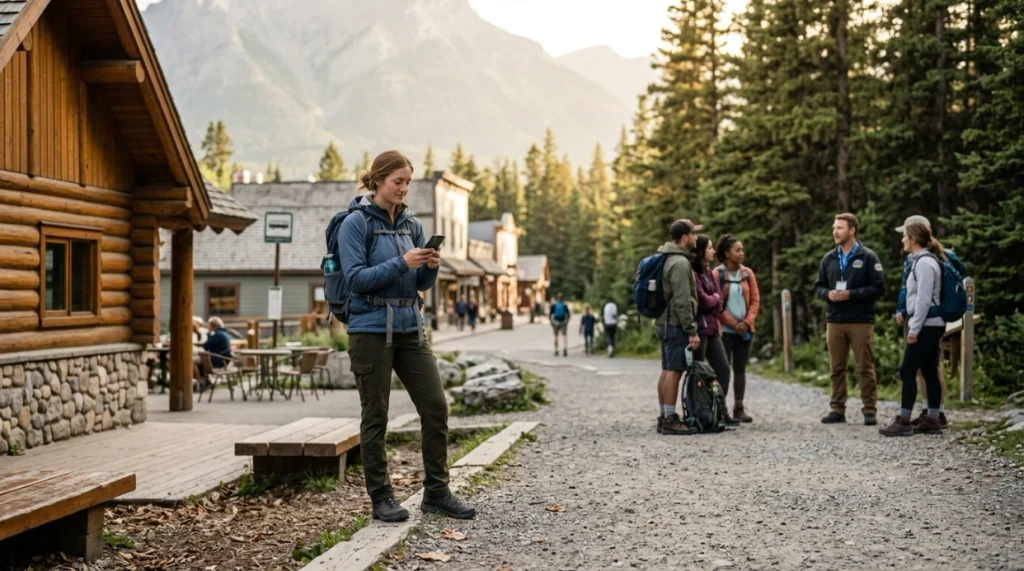
There is no single best first solo trip for every woman. The better choice depends on what makes you feel energized, what makes you anxious, and how much structure you want.
| Factor | Nature Trip | City Trip | Group Tour |
|---|---|---|---|
| Independence | High | High | Moderate |
| Social interaction | Low to moderate | Moderate | High |
| Emergency services nearby | Varies widely | Usually easier to access | Depends on itinerary |
| Daily planning needed | Moderate | Moderate to high | Low |
| Good for quiet travelers | Often | Sometimes | Depends on group style |
| Outdoor risk | Can be higher | Usually lower | Activity dependent |
Choose nature if you enjoy quiet independence
A nature trip may suit you if crowds drain your energy and you like walking, scenery, photography, wildlife, or slower days. Having an outdoor goal also removes the pressure to constantly entertain yourself.
Choose a city if convenience matters most
A city may feel easier if you want constant transportation, restaurants, museums, shops, and people nearby. It also gives you more indoor alternatives when weather changes.
Choose a group tour if logistics create the most anxiety
A group tour can reduce decisions around transportation, schedules, and activities. You can still gain confidence traveling away from home without immediately managing everything independently.
Consider a hybrid trip
You don’t have to choose between total independence and an organized tour. A strong first itinerary might combine independent accommodation with one or two guided outdoor activities.
For example, spend four nights in a gateway town and explore easy trails independently. Join a guided wildlife walk or longer mountain excursion on one day.
Section Takeaway: Match your first trip to your personality, not an image of what solo travel is supposed to look like. A gentle hybrid nature trip is often a practical middle ground.
Frequently Asked Questions
Is hiking alone safe for a first-time female solo traveler?
A short, busy, well-marked day hike can be more manageable than an isolated wilderness route. Check weather and trail conditions, tell someone your plan, carry navigation and water, stay within your ability, and finish well before dark.
How long should a first solo nature trip be?
Three to five nights can be enough to experience independent travel without creating a complicated itinerary. A shorter trip also lets you learn what you enjoy before committing to a long solo journey.
Should I camp alone on my first solo trip?
You don’t need to. A staffed lodge, hostel, hotel, cabin, or established campground can give you outdoor access with more support, and you can try more independent camping after building confidence and outdoor skills.
What if I feel lonely during a nature trip?
Choose accommodation with shared spaces or schedule one guided activity. Calling home, journaling, visiting a café, or joining a small-group excursion can add social contact without giving up the independence of solo travel.
Is a remote destination better because there are fewer people?
Not necessarily. Fewer people can mean less crowding, but it can also mean weaker phone service, longer emergency response times, fewer transportation options, and less help if something goes wrong.
Should I tell strangers that I’m traveling alone?
You don’t need to share personal itinerary details with people you’ve just met. Keep accommodation information, daily plans, and onward travel details private when there is no reason for someone to know them.
Can I take a nature trip if I’m not an experienced hiker?
Yes. Nature travel can mean scenic walks, botanical gardens, beaches, boat tours, easy park trails, wildlife excursions, lakeside stays, and countryside trips. Your first solo nature experience does not need to involve difficult hiking.
The Bottom Line
A nature trip can be an excellent first solo experience for a woman when the destination is accessible, the activities match her ability, and the itinerary keeps emergency options within reach. You don’t need to prove your independence by choosing the most remote place possible.
Start somewhere beautiful but manageable. Build confidence one decision at a time, and let your future trips become more adventurous as your skills and comfort grow.
Your first solo trip doesn’t have to be fearless. It just needs to be planned well enough that you feel capable of handling the next step.